

Crisanta LS (Drospirenone + Ethinylestradiol) Monograph


Introduction
Combined Oral Contraceptives (COCs), Oral Contraceptive Pills (OCPs) or simply the Pill, are the most reliable and reversible method of contraception used by the women worldwide to prevent pregnancy.
COCs are a combination of the hormones, oestrogen and progestin. They are used for the purpose of preventing pregnancy or to regulate the interval between two pregnancies. Differences between the COCs are based on the dosage of ethinylestradiol, type and dose of progestin and the dosing regimen.
Despite the efficacy, availability and convenience of oral contraceptives, many women who require contraception adhere poorly to the contraceptive regimen or discontinue completely because of common tolerability issues like poor cycle control (bleeding irregularities), mood changes, nausea, body weight gain, breast tenderness, headaches, hypertension and fluid retention.
But now-a-days, because of the use of novel fourth generation progestins like drospirenone and lower ethinylestradiol dose, COCs are looked at with a different purpose because of their multiple benefits beyond contraception. Their safety and efficacy have been studied and they have been shown to be effective in regularizing menstrual periods, in the treatment of PCOS and related symptoms, no weight gain, etc.
Some other benefits where COCs have been shown to be effective are in the treatment of acne and the symptoms related to Premenstrual Dysphoric Disorder (PMDD), where these are shown to act through the inhibition of hypothalamus-pituitary-ovarian axis.
Drospirenone and Ethinylestradiol
COCs contain 2 hormones – progestin and oestrogen.
Progestins provide contraception by1 -
- Inhibiting the mid-cycle luteinizing hormone (LH) surge and ovulation,
- Thickening the cervical mucus (thus impeding sperm movement),
- Creating a thin endometrium hostile to implantation
Drospirenone (D) is a spironolactone analogue with pharmacologic profile more closely related to that of natural progesterone. It exhibits2 –
- Progestogenic activity,
- Anti-mineralocorticoid activity,
- Anti-androgenic activity and
- No androgenic, oestrogenic, glucocorticoid or anti-glucocorticoid activity
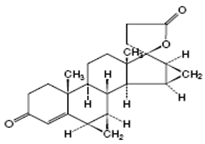
Drospirenone
The oestrogenic component of nearly all modern COCs is ethinylestradiol which is the orally active oestrogen.
Ethinylestradiol (EE) provides contraception by2 -
- Inhibiting the follicle-stimulating hormone (FSH)
- Inhibiting follicular growth
It maintains the endometrium and also increases the amount of sex hormone binding globulin (SHBG), thus lowering the available androgens.
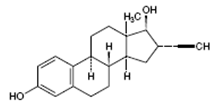
Ethinylestradiol
D+EE provide effective contraception by -
- Interfering with the release of gonadotropin-releasing hormone (GnRH) from the hypothalamus
- Suppressing gonadotropin-producing cells in the pituitary
20 mcg Ethinylestradiol3, 9
COCs have been associated with oestrogen-related side effects1. Hatcher RA, Trussell J, Stewart F, Stewart GK, Kowal D, Guest F, Cates W, Policar MS. The pill: combined oral contraceptives. In: Hatcher RA, et al. Contraceptive technology, 16th rev. ed. New York: Irvington Publishers Inc., 1994. p. 223–84.. One goal of lowering the hormonal content of oestrogen is to reduce the incidence of the side-effects such as nausea, bloating and breast tenderness, besides minimizing the rare occurrence of cardiovascular events. Side effects have been shown to be lower in general with COCs containing lower doses of EE.
A low EE dose can be used because its contraceptive properties are complemented by those of the progestin. Lowering the EE dose may be beneficial for women susceptible to weight gain and a rise in blood pressure.
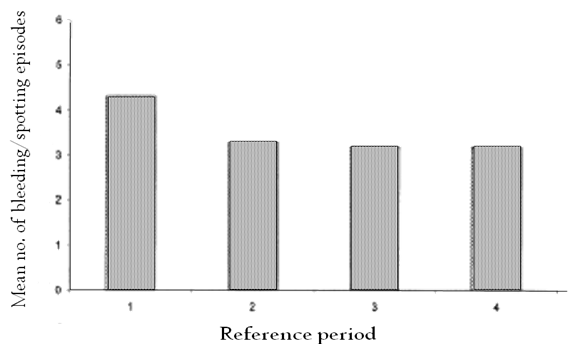
There is a concern that an extremely low dose of EE may compromise cycle control, causing increased intermenstrual bleeding. However, studies have shown that mean number of bleeding/spotting episodes and days as well as the mean duration of these bleeding episodes decreased with continuous use.
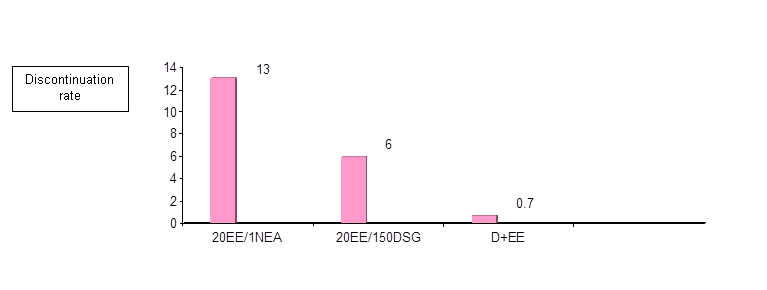
Bleeding Profile4
The extended contraceptive regimen and shortened hormone-free interval (HFI) with D+EE provided a well-tolerated bleeding profile. Only 0.7% of women discontinued study medication because of irregular bleeding, which is lower than that cited for other COCs.
24/4 Regimen8,12
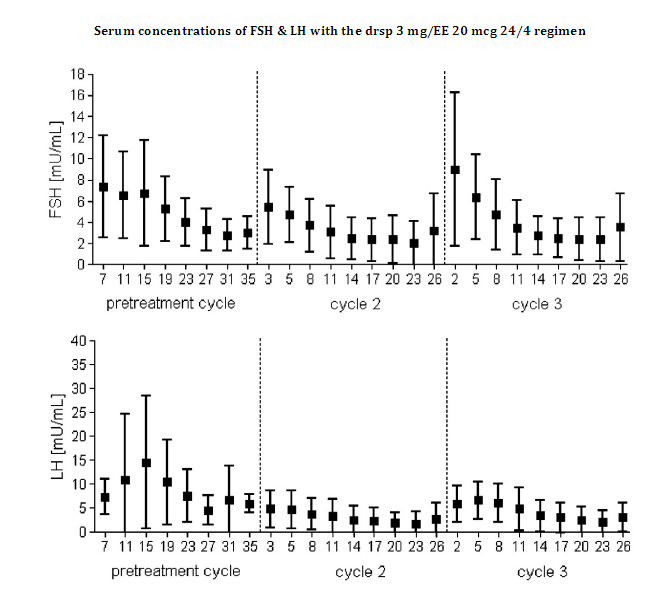
The 24/4 regimen provides persistence of sufficient hormone levels with a 4-day HFI within the circulation that ensures more consistent and continuous suppression of FSH and LH levels until the new active treatment cycle begins.
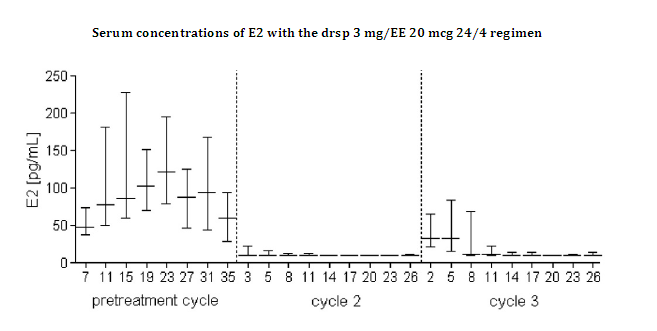
It attenuates the rise in FSH and endogenous estradiol (E2) resulting from the week off exogenous steroids, thus increasing ovarian suppression and blunting endogenous folliculogenesis and estradiol fluctuations.
Because there is more consistent suppression of E2 through each treatment cycle, there are decreased hormonal fluctuations.
Also the 24/4 regimen provides 3 additional days of anti-mineralocorticoid and anti-androgenic activity which could provide benefit in the treatment of acne and symptoms of PMDD.
This regimen has been demonstrated to have a high degree of contraceptive efficacy, a good safety profile and an acceptable bleeding pattern.
Missed Pills8
In a study carried out for 3 cycles to determine the effect on the ovarian activity, at the beginning of the third treatment cycle, first three hormone-containing pills were replaced by placebo pills before resumption of the allocated active treatment. Missing pills at the beginning of a treatment cycle may more likely escalate ovarian activity allowing escape ovulation than for pills missed at other times during the cycle.
A minimum of 7 consecutive days of COC use at the beginning of a menstrual cycle is deemed necessary to reliably suppress ovarian activity, with the rest of the active treatment regimen needed to maintain anovulation.
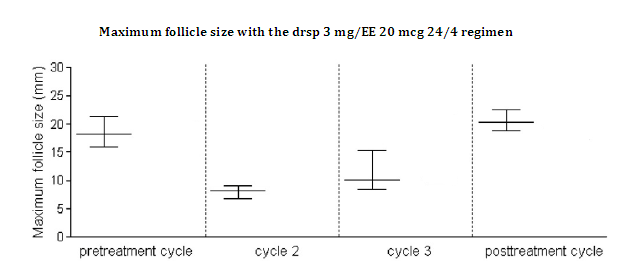
Effects on Follicular Structures8
Suppression of the follicular development was seen with the 24/4 regimen.
Effects on Hormone Levels8
Consistent suppression of E2 and endogenous hormonal fluctuations was seen with the 24/4 regimen.
24/4 Regimen and Contraceptive Efficacy 8
The 24/4 regimen provides 24 days of active hormonal treatment followed by a shortened 4-day HFI.
Reducing the number of hormone-free days has been shown to result in more pronounced ovarian suppression, compared with the conventional regimen, which is expected to increase contraceptive effectiveness.
It also shows more consistent suppression of E2 and endogenous hormonal fluctuations and a lower incidence of escape ovulation.
An HFI of 4 days resulted in greater inhibition of ovarian follicular development.
Efficacy and Safety of a Low-dose 24-day COC Containing 20 µg Ethinylestradiol and 3 mg Drospirenone4
Aim
To determine the efficacy, safety and bleeding profile of a new low-dose, monophasic COC containing D+EE administered daily for 24 days followed by a 4-day HFI.
Materials and Methods
- This was an open-label, non-comparative, multicenter study conducted at 35 centers in Austria, Argentina, Brazil, Poland and the United States.
- Inclusion –
- 1027 women (17–36 years) who were at risk of pregnancy and requesting contraception were included.
- Treatment period –
- D+EE was given for 24 consecutive days followed by 4 hormone-free days for 13 cycles.
- Baseline evaluations included body weight, blood pressure as well as laboratory assessments for haematological variables, blood chemistry and urinalysis.
Results
- Contraceptive efficacy : 99% (n=1018)
- Decrease in body weight during cycles 1–13 : -0.22 kg to -0.41 kg
- Compliance: 92.6 to 95.7%
- Safety
- No clinically significant changes from baseline in either diastolic or systolic blood pressure, blood biochemistry, haematology or urinalysis were seen during 13 cycles of treatment
- No adverse events related to increased potassium levels were observed
- Bleeding pattern (withdrawal / intermenstrual)
There was decrease in -
- Mean number of bleeding/spotting episodes
- Mean duration of bleeding episodes
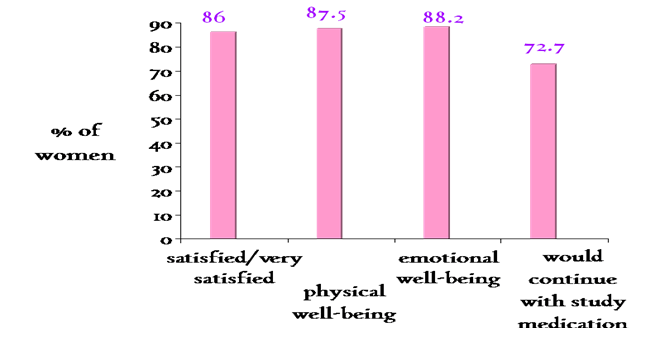
- Subject satisfaction
Conclusion
D+EE provides effective contraception, acceptable and convenient bleeding pattern, is well-tolerated and has a good safety profile.
Other Advantages
Anti-androgenic Effects
Acne Vulgaris
Acne is a multifactorial disease of the pilosebaceous unit. Increased production of androgens, genetic or some environmental factors can be some of the causes of acne.
Acne is characterized by open and closed comedones (blackheads and whiteheads), which are present either alone or more commonly, with pustules and erythematous papules concentrated on the face and upper trunk. The severity of acne is generally assessed by the number, type and distribution of lesions.
Acne can be classified according to the Leeds Revised Acne Grading System as follows14 -
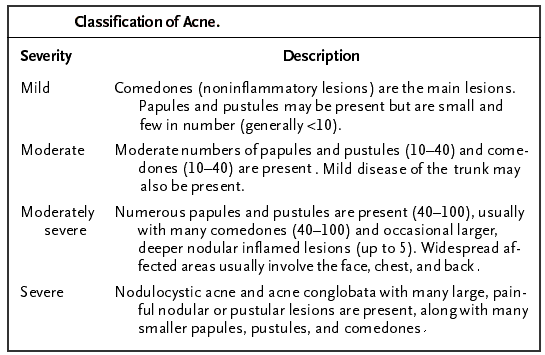
24/4 Regimen and Moderate Acne Vulgaris*1, 5, 15, 16
The 24/4 regimen provides 3 additional days of anti-androgenic activity that allows persistent anti-androgenic benefit throughout the shortened HFI of 4 days.
Drospirenone has no endogenous androgenicity. On the contrary, drospirenone exhibits anti-androgenic activity by competitively binding to the androgen receptor as well as inhibits ovarian androgen production.
Since it doesn’t compete for SHBG binding sites, more free testosterone can become SHBG-bound.
This, along with its ability to block the peripheral androgen receptors, helps lower the available free testosterone.
This direct anti-androgenic effect is in addition to the more indirect anti-androgenic effect of progestogens in general, that is mainly explained by the suppression of androgen production from the adrenals or ovaries.
Efficacy and Safety of 3 mg Drospirenone/20 mcg Ethinylestradiol COC Administered in 24/4 regimen in the Treatment of Acne Vulgaris5
Aim
To investigate the efficacy and safety of D+EE administered in a 24/4 regimen (24 active tablets and 4 hormone free interval per cycle) for the treatment of moderate acne vulgaris.
Materials and Methods
- This was a randomized, double-blind, placebo-controlled study conducted at 32 centers in the US
- Inclusion –
- Women of reproductive age who required treatment for moderate acne and had a minimum of 40 facial acne lesions (at least 20 inflammatory and 20 non-inflammatory) were included.
- Treatment period – 13 cycles; N=534
- D+EE group N = 266
- placebo – N = 268
Results
- Efficacy in moderate acne vulgaris treatment –
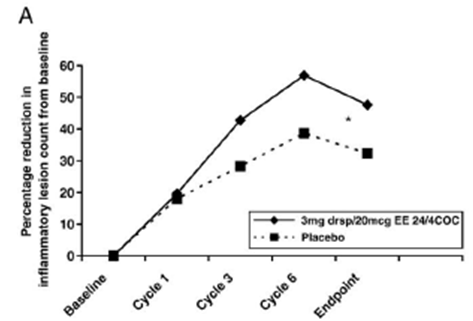
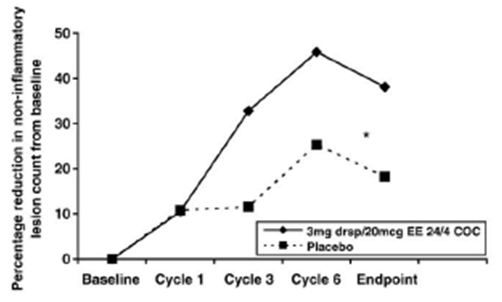
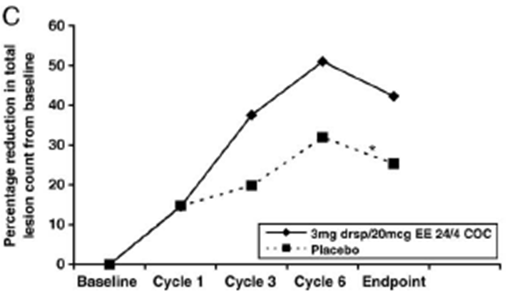
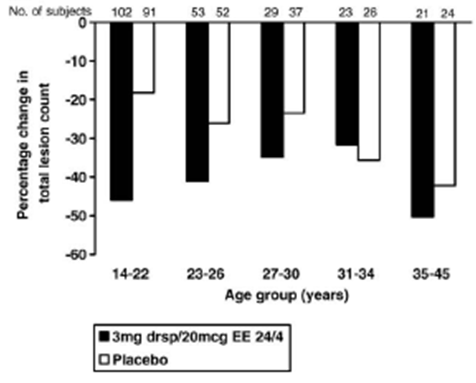
- Greater reduction in all lesion counts in the D+EE group was observed by Cycle 3 of treatment and was maintained throughout the rest of the study duration.
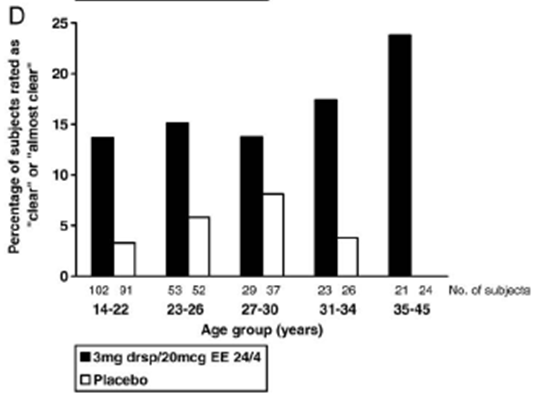
- At the end point, subjects having ‘clear’ or ‘almost clear’ skin on the ISGA scale were about fourfold greater in the D+EE than in the placebo group.
- (ISGA – Investigator Static Global Assessment)
- Greater reductions in inflammatory lesion count in D+EE group (*p<0.0001)
- Greater reductions in non-inflammatory lesion count in D+EE group (*p<0.0001)
- Greater reductions in total lesion count in D+EE group (*p<0.0001)
- Age-wise reduction in total lesion count
- Age-wise percentage of subjects having ‘clear’ or ‘almost clear skin’ on the ISGA scale
- Benefits of the 24 day regimen
- 3 additional days of acne treatment as well as greater ovarian suppression
- Persistent antiandrogenic benefit throughout the shortened HFI of 4 days
- Safety
- Adverse events in the D+EE group were mild or moderate in intensity
- There was no increased risk of hyperkalaemia.
- There were no statistically significant differences in the change from baseline to end point in mean BP between the 2 treatment groups.
Conclusion
D+EE was -
- Significantly more effective than placebo in treating moderate acne vulgaris and these anti-acne effects could be observed by Cycle 3 of treatment.
- Well tolerated with an adverse event profile consistent with a low-dose COC.
Hirsutism19
Hirsutism is defined as excessive growth of androgen dependent sexual hair and may depend on excessive production of androgens or increased conversion of weak androgens to potent androgens.
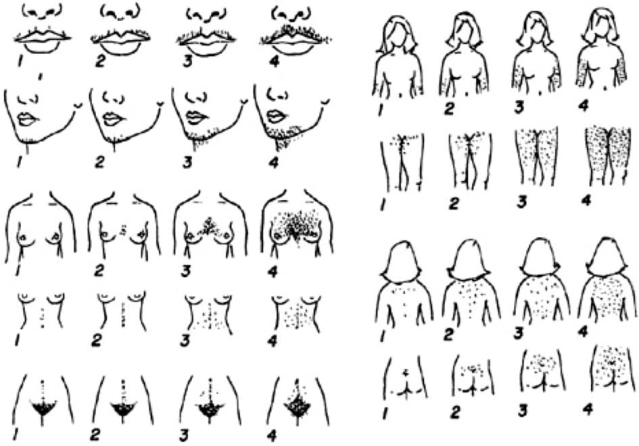
Hirsutism is usually classified clinically as mild, moderate or severe as determined. To objectively quantify the degree of hirsutism, the Ferriman–Gallwey (FG) scoring system was introduced. The modified system estimates the presence of hair in 9 regions. The scale is from 0 (absence of terminal hairs) to 4 (extensive terminal hair growth) and the numbers are added together to reach a maximum score of 36. Most researchers define hirsutism as a modified FG score of > 8, while others use a cutoff of 6.
Drospirenone containing OCP, administered in cycles of 21 days followed by a 7-day hormone-free interval (21/7), has beneficial effects on skin conditions like acne, seborrhea and hirsutism (with or without PCOS).
Low-dose D+EE 24/4 OCP vs. D+EE 21/7 OCP in the Treatment of Hirsutism20
Aim
To compare the clinical and biochemical results of two OCPs containing drospirenone and different dosages of ethinylestradiol in hirsute patients with or without PCOS.
Materials and Methods
- This was a prospective randomized clinical trial.
- 50 women with moderate and severe hirsutism were randomized to receive for 6 months –
- 0.03 mg of ethinylestradiol + 3 mg of drospirenone as a 21/7-day regimen n=25
- 0.02 mg of ethinylestradiol + 3 mg of drospirenone as a 24/4-day regimen n=25
- Hirsutism was assessed using the Ferriman–Gallwey (F-G) scoring system.
- Hormones assessed Serum FSH, LH, total T, free T, androstenedione (A), estradiol (E2), DHEAS, SHBG.
Results
|
|
D+EE (21/7) |
D+EE (24/4) |
||
|
|
Basal |
6 months |
Basal |
6 months |
|
FSH |
5.8 |
5.8 |
5.8 |
6.1 |
|
LH |
6.9 |
7.0 |
6.8 |
6.9 |
|
estradiol |
67.6 |
68.1 |
68.4 |
68.1 |
|
SHBG |
45.3 |
62.8 |
48.1 |
70.1 |
|
DHEAS |
2.6 |
2.6 |
2.6 |
2.6 |
|
A |
2.9 |
2.8 |
3.0 |
2.9 |
|
Total T |
87.5 |
58.7 |
80.5 |
61.0 |
|
Free T |
2.9 |
2.1 |
2.8 |
2.1 |
|
Hirsutism score |
17.3 |
8.7 |
17.5 |
7.9 |
By the end of the 6-month treatment period in both the groups -
There were no changes in the mean levels of FSH, LH, E2, A and DHEAS.
Total and free mean T levels decreased significantly.
Mean SHBG levels increased significantly.
Conclusion
D+EE in 24/4 regimen and in 21/7 regimen have comparable outcomes.
In patients with hirsutism, both OCPs containing drospirenone had favorable outcome measurements in terms of regularity of cycles, hormonal profiles and anti-androgenic effects after 6 cycles.
D+EE in the 24/4 regimen provides effective treatment of hirsutism.
Shortened Hormone-free Interval
PMDD13, 17
Premenstrual Dysphoric Disorder or PMDD is a cyclic premenstrual disorder consisting of disabling mood symptoms accompanied by typical symptoms that begin after ovulation and remit by the end of the menstrual flow.
The biological processes underlying PMDD are not known. However, symptoms are diminished by suppressing ovarian activity. COCs can prevent ovulation and replace endogenous fluctuations of ovarian steroids with stable hormone levels.
PMDD requires the specific diagnostic criteria outlined in the fourth edition of the Diagnostic and Statistical Manual of Mental disorders (DSM-IV). Daily symptom reports maintained by the patient for two to three cycles prior to treatment are required to confirm the reported symptoms.
The Daily Record of Severity of Problems (DRSP) scale has 24 questions that are grouped into 11 distinct symptom items and 3 functional impairment items, which are self-rated on a 6-point scale from 1 (not at all) to 6 (extreme).
According to these criteria -
- Symptoms occur 1 week before menses and resolve in the first few days after menses begin (over most menstrual cycles during the past year).
Five or more of the following (one must be among the first four):
- Markedly depressed mood with feelings of hopelessness
- Marked anxiety or tension
- Marked affective lability
- Irritability and anger
- Decreased interest in usual activities and social withdrawal
- Lack of energy
- Appetite change (overeating or undereating)
- Change in sleep pattern (hypersomnia or insomnia)
- Feeling out of control or overwhelmed
- Difficulty with concentration
- Somatic symptoms such as abdominal bloating, breast tenderness, headaches or joint pain
- Symptoms are severe enough to interfere with work, school, usual activities or interpersonal relationships.
- Symptoms may be superimposed upon an underlying psychiatric disorder but may not be an exacerbation of another condition.
- These criteria must be confirmed by prospective daily charting for a minimum of two consecutive symptomatic menstrual cycles.
24/4 Regimen and PMDD*8, 18
The 24/4 regimen was associated with a more consistent suppression of E2 and endogenous hormonal fluctuations. It does not lead to the complete elimination of drospirenone (a 30 hr half life does not allow the complete reduction of its beneficial anti-mineralocorticoid and anti-androgenic effects) from the systemic circulation before initiation of the next treatment cycle. This may, in part, account for the benefits of D+EE in the treatment of the emotional and physical symptoms associated with PMDD.
The longer period of hormone administration and the reduction of the HFI may stabilize both endogenous and exogenous hormone levels, thereby possibly decreasing symptom expression. This may result in reduced hormone withdrawal symptoms (e.g., pelvic pain, headache, breast tenderness, bloating/swelling, nausea, etc.)
The 24/4 regimen has been clinically proven to be effective in improving the emotional and physical symptoms associated with PMDD.
Efficacy of a New Low-Dose COC with Drospirenone in PMDD7
Aim
To compare the efficacy of a new low-dose OCP containing D+EE with placebo in reducing symptoms of PMDD
Materials and Methods
- This was a double-blind, randomized, placebo-controlled, parallel-design study consisting of 7 visits:
- a screening visit,
- 2 single-menstrual-cycle qualification visits,
- 3 singlemenstrual-cycle treatment visits in which subjects took either D+EE or placebo,
- an end-of-treatment visit.
- Inclusion –
- Women aged 18 to 40 year from 64 centers in US with a diagnosis of PMDD according to the DSM-IV were included.
- Treatment period – 3 menstrual cycles; N=449
- D+EE – n=232
- Placebo – n=218
Results
Compared to placebo, D+EE showed statistically significant decrease in physical, mood and behavioural symptoms.
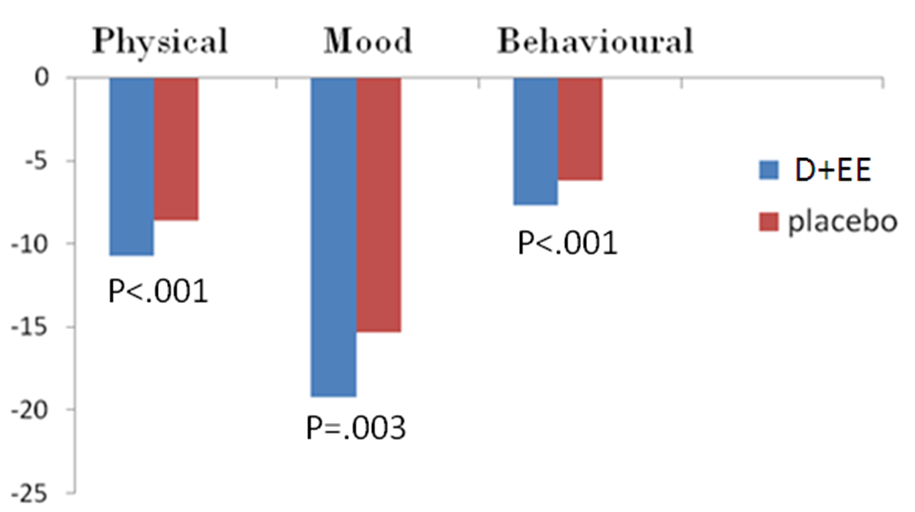
- Changes in Individual Daily Rating Items in the Daily Record of Severity of Problems with D+EE v/s placebo
|
Individual symptom items |
D+EE |
placebo |
||
|
Median baseline score |
Median treatment score |
Median baseline score |
Median treatment score |
|
|
1a. depressed, b. hopeless, c. worthless/guilty |
9.7 |
4.0 |
9.7 |
4.6 |
|
2. anxious/ tense |
4.2 |
1.9 |
4.2 |
2.4 |
|
3a. mood swings, b. feel sensitive |
8.3 |
3.3 |
8.5 |
4.5 |
|
4a. angry/ irritable, b. conflicts |
8.2 |
3.7 |
8.4 |
4.7 |
|
5. diminished interest |
4.0 |
1.7 |
3.9 |
1.8 |
|
6. difficulty concentrating |
3.9 |
1.5 |
3.8 |
1.9 |
|
7. tired/ fatigued |
4.4 |
2.1 |
4.2 |
2.5 |
|
8a. increased appetite, b. food cravings |
7.7 |
3.3 |
7.6 |
3.8 |
|
9a. slept more, b. trouble sleeping |
6.9 |
3.5 |
6.8 |
3.9 |
|
10. overwhelmed/ lack of control |
6.8 |
2.8 |
7.3 |
3.3 |
|
11a. breast tenderness, b. breast swelling, c. bloated sensation, d. headache, e. muscle pain |
13.4 |
7.4 |
13.3 |
8.6 |
- Changes in Secondary Outcome Measures With D+EE v/s placebo
|
Outcome measure |
D+EE |
placebo |
||
|
Median baseline score |
Median treatment score |
Median baseline score |
Median treatment score |
|
|
DRSP Functional impairment items |
|
|
|
|
|
More productive |
3.8 |
1.7 |
4.0 |
2.0 |
|
Enhanced social activities |
3.7 |
1.6 |
3.9 |
1.9 |
|
Better relationships |
3.9 |
1.7 |
4.2 |
2.2 |
|
Q-LES-Q |
|
|
|
|
|
Items 1-14 |
57.1 |
77.1 |
57.9 |
74.3 |
|
Overall life satisfaction |
3.0 |
4.0 |
3.0 |
4.0 |
|
PMTS |
|
|
|
|
|
Observer rated |
27.0 |
13.0 |
27.0 |
17.0 |
|
Self rated |
28.0 |
9.0 |
29.0 |
15.5 |
(DRSPDaily Record of Severity of Problems; Q-LES-Q-Endicott Quality of Life Enjoyment and Satisfaction Questionnaire; PMTS-Premenstrual Tension Scale)
- D+EE was associated with a 49% reduction in premenstrual depression.
- Physical symptoms which are less likely to respond to SSRIs, or require higher doses for response, responded well to treatment with D+EE.
- No significant differences in serum potassium levels between D+EE and placebo groups were observed during the treatment period.
Conclusion
D+EE administered in a 24/4 regimen was more effective than placebo at ameliorating premenstrual symptoms in women with PMDD and may have a unique role in women who both desire contraception and suffer from symptoms of PMDD.
Safety 4, 8, 11
Although COCs are highly efficacious and have a good safety profile, their hormonal components are known to have various metabolic effects, including effects on lipid, carbohydrate metabolism and haemostatic variables. Also, the adverse effects on haemostatic variables and the associated risk of venous thrombosis are most likely to be influenced by the oestrogen dose and not by the type of progestin.
Studies have shown that treatment with D+EE following a 24/4 regimen is well tolerated and has a good safety profile.
Effect on lipid profile HDL cholesterol increased and LDL cholesterol decreased suggesting a potential cardioprotective benefit.
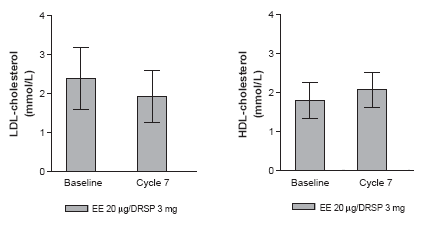
Effect on haemostatic and carbohydrate parameters – Extending the period of active treatment by 3 days per cycle had no negative effect on these parameters.
Effect on potassium levels – There was no increased risk of hyperkalaemia.
There were no clinically significant changes from baseline in diastolic/systolic blood pressure, blood biochemistry, urinalysis.
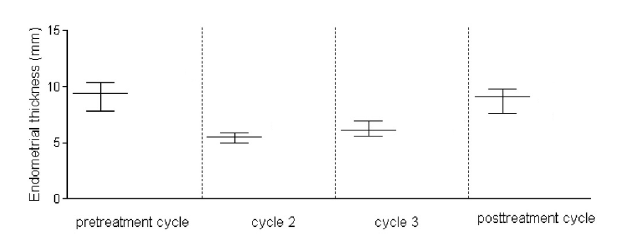
Effect on endometrium Compared to pretreatment, D+EE showed suppression of endometrial growth. All endometrial biopsies were normal at the baseline and at the end of the treatment.
Maximum endometrial thickness with D+EE
Highlights
- Contraceptive efficacy 99% 4
- Greater suppression of ovarian axis 12
- Decrease in hormone withdrawal symptoms by decreasing the HFI 6
- Efficacy in acne* Greater reduction in inflammatory, non-inflammatory and total acne lesion count observed by cycle 3 5
- Efficacy in PMDD* Significant decrease in physical, mood and behavioural symptoms associated with PMDD 7
- Quality of life* Significant improvement in productivity, social activities and quality of relationships 18
- Provides effective contraception and is well-tolerated 4
Prescribing Information
For the use of a Registered Medical Practitioner or a Hospital or a Laboratory only
Drospirenone and Ethinylestradiol Tablets
CRISANTA-LS
Warning: Cigarette Smoking and Serious Cardiovascular Events
Cigarette smoking increases the risk of serious cardiovascular events from combination oral contraceptives (COC) use. This risk increases with age, particularly in women over 35 years of age and with the number of cigarettes smoked. For this reason, COCs should not be used by women who are over 35 years of age and smoke.
Composition
Each film-coated tablet contains
Drospirenone…………....3 mg
Ethinylestradiol ………. 0.02 mg
Dosage Form
Tablets for oral use.
Description
CRISANTA-LS is an oral contraceptive. Each pack consists of 24 tablets, and each tablet contains 3 mg of drospirenone (DRSP) and 0.02 mg of ethinylestradiol (EE).
Pharmacology
Pharmacodynamics
Drospirenone is a spironolactone analogue with anti-mineralocorticoid and anti-androgenic activity. The oestrogen in CRISANTA-LS is ethinylestradiol.
COCs lower the risk of becoming pregnant primarily by suppressing ovulation. Other possible mechanisms may include cervical mucus changes that inhibit sperm penetration and the endometrial changes that reduce the likelihood of implantation.
Acne
Acne vulgaris is a skin condition with a multifactorial aetiology, including androgen stimulation of sebum production. While the combination of EE and DRSP increases sex hormone-binding globulin (SHBG) and decreases free testosterone, the relationship between these changes and a decrease in the severity of facial acne in otherwise healthy women with this skin condition has not been established. The impact of the anti-androgenic activity of DRSP on acne is not known.
Pharmacokinetics
Absorption
The absolute bioavailability of DRSP from a single entity tablet is about 76%. The absolute bioavailability of EE is approximately 40% as a result of presystemic conjugation and first-pass metabolism. Serum concentrations of DRSP and EE reached peak levels within 1-2 hours after the administration.
The pharmacokinetics of DRSP is dose proportional following single doses ranging from 1-10 mg. Following daily dosing of DRSP and EE, steady-state DRSP concentrations were observed after 8 days. There was about 2 3 fold accumulation in serum Cmax and AUC(0-24h) values of DRSP following multiple-dose administration of DRSP and EE.
For EE, steady-state conditions are reported during the second half of a treatment cycle. Following daily administration of DRSP and EE, serum Cmax and AUC(0–24h) values of EE accumulate by a factor of about 1.5-2.
Pharmacokinetic Parameters of DRSP and EE
|
DRSP |
|||||
|---|---|---|---|---|---|
|
Cycle/day |
No. of subjects |
Cmax1 (ng/ml) |
Tmax2 (h) |
AUC (0-24h)1 (ng·h/ml) |
t1/21 (h) |
|
1/1 |
23 |
38.4 (25) |
1.5 (1-2) |
268 (19) |
NA |
|
1/21 |
23 |
70.3 (15) |
1.5 (1-2) |
763 (17) |
30.8 (22) |
|
EE |
|||||
|
Cycle/day |
No. of subjects |
Cmax1 (pg/ml) |
Tmax2 (h) |
AUC (0-24h)1 (pg·h/ml) |
t1/21 (h) |
|
1/1 |
23 |
32.8 (45) |
1.5 (1-2) |
108 (52) |
NA |
|
1/21 |
23 |
45.1 (35) |
1.5 (1-2) |
220 (57) |
NA |
|
NA = Not available |
|||||
|
1: geometric mean (geometric coefficient of variation) |
|||||
|
2: median (range) |
|||||
Effect of Food
The rate of absorption of DRSP and EE following single administration of a formulation similar to DRSP and EE was slower under fed (high fat meal) conditions with the serum Cmax being reduced about 40% for both components. The extent of absorption of DRSP, however, remained unchanged. In contrast, the extent of absorption of EE was reduced by about 20% under fed conditions.
Distribution
DRSP and EE serum concentrations decline in two phases. The apparent volume of distribution of DRSP is approximately 4 L/kg and that of EE is reported to be approximately 4-5 L/kg.
DRSP does not bind to SHBG or corticosteroid binding globulin (CBG) but binds about 97% to other serum proteins. Multiple dosing over 3 cycles resulted in no change in the free fraction (as measured at trough concentrations). EE is reported to be highly but non-specifically bound to serum albumin (approximately 98.5%) and induces an increase in the serum concentrations of both SHBG and CBG. EE induced effects on SHBG and CBG were not affected by variation of the DRSP dosage in the range of 2-3 mg.
Metabolism
The two main metabolites of DRSP found in human plasma were identified to be the acid form of DRSP generated by opening of the lactone ring and the 4, 5-dihydrodrospirenone-3-sulphate. These metabolites were shown not to be pharmacologically active. In in vitro studies with human liver microsomes, DRSP was metabolized only to a minor extent mainly by CYP3A4.
EE has been reported to be subject to presystemic conjugation in both small bowel mucosa and the liver. Metabolism occurs primarily by aromatic hydroxylation but a wide variety of hydroxylated and methylated metabolites are formed. These are present as free metabolites and as conjugates with glucuronide and sulphate. CYP3A4 in the liver is responsible for the 2-hydroxylation which is the major oxidative reaction. The 2-hydroxy metabolite is further transformed by methylation and glucuronidation prior to urinary and faecal excretion.
Excretion
DRSP serum concentrations are characterized by a terminal disposition phase half-life of approximately 30 hours after both singleand multipledose regimens. Excretion of DRSP was nearly complete after 10 days and amounts excreted were slightly higher in faeces compared with urine. DRSP was extensively metabolized and only trace amounts of unchanged DRSP were excreted in urine and faeces. At least 20 different metabolites were observed in urine and faeces. About 38-47% of the metabolites in urine were glucuronide and sulphate conjugates. In faeces, about 17-20% of the metabolites were excreted as glucuronides and sulphates.
For EE the terminal disposition phase half-life has been reported to be approximately 24 hours. EE is not excreted unchanged. EE is excreted in the urine and faeces as glucuronide and sulphate conjugates and undergoes enterohepatic circulation.
Special Populations
Renal Impairment
DRSP+EE is contraindicated in patients with renal impairment. In subjects with creatinine clearance (CLcr) of 50 79 mL/min, serum DRSP levels were comparable to those in a control group with CLcr > 80 mL/min. In subjects with serum DRSP concentrations were on average 37% higher than those in the control group. In addition, there is a potential to develop hyperkalaemia in subjects with renal impairment whose serum potassium is in the upper reference range, and who are concomitantly using potassium sparing drugs.
Hepatic Impairment
DRSP+EE is contraindicated in patients with hepatic disease. The mean exposure to DRSP in women with moderate liver impairment is approximately three times higher than the exposure in women with normal liver function. DRSP and EE have not been studied in women with severe hepatic impairment.
Paediatric Population
Safety and efficacy of DRSP+EE has been established in women of reproductive age. Efficacy is expected to be the
same for postpubertal adolescents under the age of 18 and for users 18 years and older. Use of this product before
menarche is not indicated.
Geriatric Population
DRSP+EE has not been studied in postmenopausal women and is not indicated in this population.
Indications
CRISANTA-LS is indicated for:
-Use by women to prevent pregnancy.
-Treatment of moderate acne vulgaris in women at least 14 years of age, who have no known contraindications to oral contraceptive therapy and have achieved menarche. CRISANTA-LS should be used for the treatment of acne only if the patient desires an oral contraceptive for birth control.
-Treatment of symptoms of premenstrual dysphoric disorder (PMDD) in women who choose to use an oral contraceptive as their method of contraception. The effectiveness of CRISANTA-LS for PMDD when used for more than three menstrual cycles has not been evaluated.
Dosage and Administration
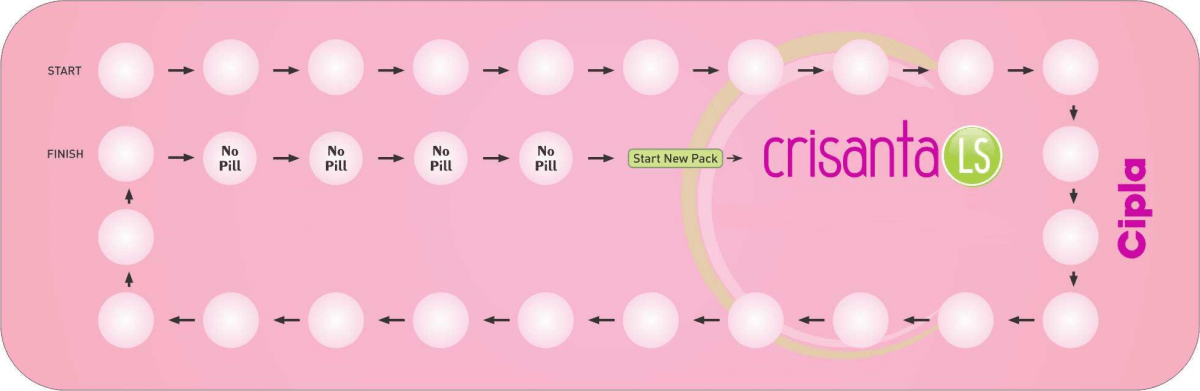
CRISANTA-LS consists of 24 tablets of a monophasic combined hormonal preparation. The dosage of CRISANTA-LS is one tablet daily for 24 consecutive days followed by 4 pill-free days per menstrual cycle.
How to Take CRISANTA-LS
Take one tablet by mouth at the same time every day. The failure rate may increase when pills are missed or taken incorrectly. To achieve maximum effectiveness, CRISANTA-LS must be taken exactly as directed, in the order directed on the pack. Single missed pills should be taken as soon as remembered.
How to Start CRISANTA-LS
During the first cycle of CRISANTA-LS use, instruct the patient to take one tablet of CRISANTA-LS daily, beginning on Day 1 of her menstrual cycle (the first day of menstruation is Day 1). She should take one tablet daily for 24 consecutive days followed by 4 pill-free days. CRISANTA-LS should be taken in the order directed on the package at the same time each day, preferably after the evening meal or at bedtime with some liquid, as needed. CRISANTA-LS can be taken without regard to meals. If CRISANTA-LS is first taken later than the first day of the menstrual cycle, it should not be considered effective as a contraceptive until after the first 7 consecutive days of product administration. Instruct the patient to use a non-hormonal contraceptive as back-up during the first 7 days. The possibility of ovulation and conception prior to initiation of medication should be considered.
Instructions for Patients
Subsequent Packs of CRISANTA-LS
The patient should begin her next and all subsequent 24-day regimens of CRISANTA-LS on the same day of the week that she began her first regimen, following the same schedule. She should begin taking her tablets on the next day after the 4 pill-free days, regardless of whether or not a menstrual period has occurred or is still in progress. Anytime a subsequent cycle of CRISANTA-LS is started later than the day following the 4 pill-free days, the patient should use another method of contraception until she has taken CRISANTA-LS daily for 7 consecutive days.
Switching
When Switching From a Different Birth Control Pill
When switching from another birth control pill, CRISANTA-LS should be started on the same day that a new pack of the previous oral contraceptive would have been started.
When Switching From a Method other than a Birth Control Pill
When switching from a transdermal patch or vaginal ring, CRISANTA-LS should be started preferably on the day of removal, but at the latest when the next application would have been due.
When switching from an injection, CRISANTA-LS should be started when the next dose would have been due.
When switching from an intrauterine contraceptive or an implant, CRISANTA-LS should be started on the day of removal.
The woman should, in all of these cases, be advised to additionally use a barrier method for the first 7 days of tablet-taking.
Withdrawal bleeding usually occurs within 3 days following the last tablet. If spotting or breakthrough bleeding occurs while taking CRISANTA-LS, instruct the patient to continue taking CRISANTA-LS as per the regimen described above. Counsel her that this type of bleeding is usually transient and without significance; however, if the bleeding is persistent or prolonged, she should consult her physician.
Following first-trimester abortion, the woman may start CRISANTA-LS immediately. When doing so, she need not take additional contraceptive measures.
For postpartum women who do not breastfeed or after a second trimester abortion, start CRISANTA-LS no earlier than 4 weeks postpartum due to the increased risk of thromboembolism. If the patient starts on CRISANTA-LS postpartum and has not yet had a period, evaluate for possible pregnancy, and instruct her to use an additional method of contraception until she has taken CRISANTA-LS for 7 consecutive days.
Although the occurrence of pregnancy is low if CRISANTA-LS is taken according to directions, if withdrawal bleeding does not occur, the possibility of pregnancy must be considered. If the patient has not adhered to the prescribed dosing schedule (missed one or more tablets or started taking them on a day later than she should have), the possibility of pregnancy should be considered at the time of the first missed period and appropriate diagnostic measures taken. If the patient has adhered to the prescribed regimen and misses two consecutive periods, pregnancy should be ruled out. Hormonal contraceptives should be discontinued if pregnancy is confirmed.
The risk of pregnancy increases with each tablet missed. If breakthrough bleeding occurs following missed tablets, it will usually be transient and of no consequence.
Missed Pill
The risk of pregnancy increases with each tablet missed.
If she MISSES one tablet:
- Ask her to take it as soon as she remembers. Ask her to take the next tablet at her regular time. This means she may take two tablets in one day.
- She does not need to use a back-up birth control method if she has sex.
If she MISSES two tablets in a row in WEEK 1 OR WEEK 2 of the pack:
- Ask her to take two tablets on the day she remembers and two tablets the next day.
- Then ask her to take one tablet a day until she finishes the pack.
- She could become pregnant if she has sex in the 7 days after she restarts her tablets. She must use another birth control method (such as condoms or spermicides) as a back-up for those 7 days.
If she MISSES two tablets in a row in WEEK 3 or Week 4 of the pack:
- Ask her to throw out the rest of the pack and start a new pack that same day.
- She could become pregnant if she has sex in the 7 days after she restarts her tablets. She must use another birth control method (such as condoms or spermicides) as a back-up for those 7 days.
- She may not have her period this month but this is expected. However, if she misses her period 2 months in a row, ask her to contact her doctor or clinic because she might be pregnant.
If she MISSES three OR more tablets in a row during ANY Week:
- Ask her to throw out the rest of the pack and start a new pack that same day.
- She could become pregnant if she has sex in the 7 days after she restarts her tablets. She must use another birth control method (such as condoms or spermicides) as a back-up for those 7 days.
- She may not have her period this month but this is expected. However, if she misses her period 2 months in a row, ask her to contact her doctor or clinic because she might be pregnant.
Finally, if she is still not sure what to do about the tablets she has missed:
- Ask her to use a back-up method (such as condoms or spermicides) anytime she has sex.
- Ask her to continue taking 1 tablet each day until she contacts her doctor.
Advice in Case of Gastrointestinal Disturbances
In case of severe vomiting or diarrhoea, absorption may not be complete and additional contraceptive measures should be taken. If vomiting occurs within 3–4 hours after tablet-taking, this can be regarded as a missed tablet.
Contraindications
DRSP+EE should not be used in women who have the following:
- Renal impairment
- Adrenal insufficiency
- A high risk of arterial or venous thrombotic diseases. Examples include women who are known to:
- Smoke, if over age 35
- Have deep vein thrombosis or pulmonary embolism, now or in the past
- Have cerebrovascular disease
- Have coronary artery disease
- Have thrombogenic valvular or thrombogenic rhythm diseases of the heart (e.g., subacute bacterial endocarditis with valvular disease, or atrial fibrillation)
- Have inherited or acquired hypercoagulopathies
- Have uncontrolled hypertension
- Have diabetes mellitus with vascular disease
- Have headaches with focal neurological symptoms or have migraine headaches with or without aura if over age 35
- Undiagnosed abnormal uterine bleeding
- Breast cancer or other oestrogenor progestin-sensitive cancer, now or in the past
- Liver tumours, benign or malignant, or liver disease
- Pregnancy, because there is no reason to use COCs during pregnancy
- Hypersensitivity to any component of this product
Warnings and Precautions
General
Thromboembolic Disorders and Other Vascular Problems
Stop DRSP+EE if an arterial or venous thrombotic (VTE) event occurs.
Based on presently available information on DRSP-containing COCs with 0.03 mg EE, DRSP containing COCs may be associated with a higher risk of VTE than COCs containing the progestin levonorgestrel or some other progestins. Epidemiologic studies that compared the risk of VTE reported that the risk ranged from no increase to a 3-fold increase. Before initiating use of DRSP+EE in a new COC user or a woman who is switching from a contraceptive that does not contain DRSP, consider the risks and benefits of a DRSP-containing COC in light of her risk for a VTE. Known risk factors for VTE include smoking, obesity, and family history of VTE, in addition to other factors that contraindicate use of COCs.
Although the absolute VTE rates are increased for users of hormonal contraceptives compared to non-pregnant, non-users (1-5 per 10,000 woman-years), the rates during pregnancy (5-20 per 10,000 woman-years) are even greater, especially during the postpartum period (40-65 per 10,000 woman-years). The risk of VTE in women using COCs has been estimated to be 3-9 per 10,000 woman-years. The risk of VTE is highest during the first year of use. Data from a large, prospective cohort safety study of various COCs suggest that this increased risk, as compared with that in non-COC users, is greatest during the first 6 months of COC use. Data from this safety study indicate that the greatest risk of VTE is present after initially starting a COC or restarting (following a 4-week or greater pill-free interval) the same or a different COC.
The risk of thromboembolic disease due to oral contraceptives gradually disappears after COC use is discontinued.
If feasible, stop DRSP+EE at least 4 weeks before and through 2 weeks after major surgery or other surgeries known to have an elevated risk of thromboembolism.
Start DRSP+EE no earlier than 4 weeks after delivery, in women who are not breastfeeding. The risk of postpartum thromboembolism decreases after the third postpartum week, whereas the risk of ovulation increases after the third postpartum week.
Use of COCs also increases the risk of arterial thromboses such as strokes and myocardial infarctions, especially in women with other risk factors for these events.
COCs have been shown to increase both the relative and attributable risks of cerebrovascular events (thrombotic and haemorrhagic strokes), although, in general, the risk is greatest among older (>35 years of age), hypertensive women who also smoke. COCs also increase the risk for stroke in women with other underlying risk factors.
Oral contraceptives must be used with caution in women with cardiovascular disease risk factors.
Stop DRSP+EE if there is unexplained loss of vision, proptosis, diplopia, papilledema, or retinal vascular lesions. Evaluate for retinal vein thrombosis immediately.
Hyperkalaemia
The progestin DRSP has anti-mineralocorticoid activity, including the potential for hyperkalaemia in high risk patients, comparable with a 25 mg dose of spironolactone. DRSP+EE should not be used in patients with conditions that predispose to hyperkalaemia (i.e. renal impairment, hepatic impairment and adrenal insufficiency). Women receiving daily, long-term treatment for chronic conditions or diseases with medications that may increase serum potassium concentration should have their serum potassium concentration checked during the first treatment cycle. Medications that may increase serum potassium concentration include ace inhibitors, angiotensin-II receptor antagonists, potassium-sparing diuretics, potassium supplementation, heparin, aldosterone antagonists and NSAIDs. Consider monitoring serum potassium concentration in high-risk patients who take a strong CYP3A4 inhibitor long-term and concomitantly. Strong CYP3A4 inhibitors include azole antifungals (e.g. ketoconazole, itraconazole, voriconazole), HIV/HCV protease inhibitors (e.g. indinavir, boceprevir), and clarithromycin.
Carcinoma of the Breasts and Reproductive Organs
Women who currently have or have had breast cancer should not use DRSP+EE because breast cancer is a hormonally-sensitive tumour. There is substantial evidence that COCs do not increase the incidence of breast cancer. Although some past studies have suggested that COCs might increase the incidence of breast cancer, more recent studies have not confirmed such findings. Some studies suggest that COCs are associated with an increase in the risk of cervical cancer or intraepithelial neoplasia. However, there is controversy about the extent to which these findings may be due to differences in sexual behaviour and other factors.
Liver Disease
Discontinue DRSP+EE if jaundice develops. Steroid hormones may be poorly metabolized in patients with impaired liver function. Acute or chronic disturbances of liver function may necessitate the discontinuation of COC use until markers of liver function return to normal and COC causation has been excluded. Hepatic adenomas are associated with COC use. An estimate of the attributable risk is 3.3 cases/100,000 COC users. Rupture of hepatic adenomas may cause death through intra-abdominal haemorrhage. Studies have shown an increased risk of developing hepatocellular carcinoma in long-term (>8 years) COC users. However, the attributable risk of liver cancers in COC users is less than one case per million users. Oral contraceptive-related cholestasis may occur in women with a history of pregnancy-related cholestasis. Women with a history of COC-related cholestasis may have the condition recur with subsequent COC use.
High Blood Pressure
For women with well-controlled hypertension, monitor blood pressure and stop DRSP+EE if blood pressure rises significantly. Women with uncontrolled hypertension or hypertension with vascular disease should not use COCs. An increase in blood pressure has been reported in women taking COCs, and this increase is more likely in older women and with extended duration of use. The incidence of hypertension increases with increasing concentration of progestin.
Gallbladder Disease
Studies suggest a small increased relative risk of developing gallbladder disease among COC users.
Carbohydrate and Lipid Metabolic Effects
Carefully monitor prediabetic and diabetic women who are taking DRSP+EE. COCs may decrease glucose intolerance in a dose-related fashion. Consider alternative contraception for women with uncontrolled dyslipidaemias. A small proportion of women will have adverse lipid changes while on COCs. Women with hypertriglyceridaemia, or a family history thereof, may be at an increased risk of pancreatitis when using COCs.
Headache
If a woman taking DRSP+EE develops new headaches that are recurrent, persistent, or severe, evaluate the cause and discontinue DRSP+EE if indicated. An increase in frequency or severity of migraine during COC use (which may be prodromal of a cerebrovascular event) may be a reason for immediate discontinuation of the COC.
Bleeding Irregularities
Unscheduled (breakthrough or intracyclic) bleeding and spotting sometimes occur in patients on COCs, especially during the first 3 months of use. If bleeding persists or occurs after previously regular cycles, check for causes such as pregnancy or malignancy. If pathology and pregnancy are excluded, bleeding irregularities may resolve over time or with a change to a different COC.
Women who use DRSP+EE may experience absence of withdrawal bleeding, even if they are not pregnant. Some women may encounter post-pill amenorrhoea or oligomenorrhoea, especially when such a condition was pre-existent. If withdrawal bleeding does not occur, consider the possibility of pregnancy.
If the patient has not adhered to the prescribed dosing schedule (missed one or more active tablets or started taking them on a day later than she should have), consider the possibility of pregnancy at the time of the first missed period and take appropriate diagnostic measures. If the patient has adhered to the prescribed regimen and misses two consecutive periods, rule out pregnancy.
COC Use Before or During Early Pregnancy
Extensive epidemiological studies have revealed no increased risk of birth defects in women who have used oral contraceptives prior to pregnancy. Studies also do not suggest a teratogenic effect, particularly in so far as cardiac anomalies and limb-reduction defects are concerned, when taken inadvertently during early pregnancy.
The administration of oral contraceptives to induce withdrawal bleeding should not be used as a test for pregnancy.
Depression
Women with a history of depression should be carefully observed and DRSP+EE discontinued if depression recurs to a serious degree.
Interference with Laboratory Tests
The use of COCs may change the results of some laboratory tests, such as coagulation factors, lipids, glucose tolerance, and binding proteins. Women on thyroid hormone replacement therapy may need increased doses of thyroid hormone because serum concentrations of thyroid-binding globulin increase with use of COCs. DRSP causes an increase in plasma renin activity and plasma aldosterone induced by its mild anti-mineralocorticoid activity.
Monitoring
A woman who is taking COCs should have a yearly visit with her healthcare provider for a blood pressure check and for other indicated healthcare.
Other Conditions
In women with hereditary angio-oedema, exogenous oestrogens may induce or exacerbate symptoms of angio-oedema. Chloasma may occasionally occur, especially in women with a history of chloasma gravidarum. Women with a tendency to chloasma should avoid exposure to the sun or ultraviolet radiation while taking COCs.
Lactose Intolerance
Each tablet of this medicinal product contains lactose. Patients with rare hereditary problems of galactose intolerance, the Lapp lactase deficiency, or glucose-galactose malabsorption should not take this medicine.
Drug Interactions
Consult the labelling of all concurrently-used drugs to obtain further information about interactions with hormonal contraceptives or the potential for enzyme alterations.
Effects of Other Drugs on Combined Hormonal Contraceptives
Substances Diminishing the Efficacy of COCs
Drugs or herbal products that induce certain enzymes, including CYP3A4, may decrease the effectiveness of COCs or increase breakthrough bleeding. Some drugs or herbal products that may decrease the effectiveness of hormonal contraceptives include phenytoin, barbiturates, carbamazepine, bosentan, felbamate, griseofulvin, oxcarbazepine, rifampicin, topiramate and products containing St. John’s wort. Interactions between oral contraceptives and other drugs may lead to breakthrough bleeding and/or contraceptive failure. Counsel women to use an alternative method of contraception or a back-up method when enzyme inducers are used with COCs, and to continue back-up contraception for 28 days after discontinuing the enzyme inducer to ensure contraceptive reliability.
Substances Increasing the Plasma Concentrations of COCs
Co-administration of atorvastatin and certain COCs containing EE increase AUC values for EE by approximately 20%. Ascorbic acid andacetaminophen may increase plasma EE concentrations, possibly by inhibition of conjugation. Concomitant administration of moderate or strong CYP3A4 inhibitors such as azole antifungals (e.g. ketoconazole, itraconazole, voriconazole, fluconazole), verapamil, macrolides (e.g. clarithromycin, erythromycin), diltiazem, and grapefruit juice can increase the plasma concentrations of the oestrogen or the progestin or both.
Human Immunodeficiency Virus (HIV)/ Hepatitis C Virus (HCV) Protease Inhibitors and Non-nucleoside Reverse Transcriptase Inhibitors
Significant changes (increase or decrease) in the plasma concentrations of oestrogen and progestin have been noted in some cases of co-administration with HIV/HCV protease inhibitors or with non-nucleoside reverse transcriptase inhibitors.
Antibiotics
There have been reports of pregnancy while taking hormonal contraceptives and antibiotics, but clinical pharmacokinetic studies have not shown consistent effects of antibiotics on plasma concentrations of synthetic steroids.
Effect on DRSP
The main metabolites of DRSP in human plasma are generated without involvement of the CYP system. Inhibitors of this enzyme system are, therefore, unlikely to influence the metabolism of DRSP.
Effects of COCs on Other Drugs
COCs containing EE may inhibit the metabolism of other compounds. COCs have been shown to significantly decrease plasma concentrations of lamotrigine, likely due to induction of lamotrigine glucuronidation. This may reduce seizure control; therefore, dosage adjustments of lamotrigine may be necessary. Consult the labelling of the concurrently-used drug to obtain further information about interactions with COCs or the potential for enzyme alterations.
In vitro and clinical studies did not indicate an inhibitory potential of DRSP towards human CYP enzymes at clinically relevant concentrations.
Women on thyroid hormone replacement therapy may need increased doses of thyroid hormone because serum concentration of thyroid-binding globulin increases with use of COCs.
Potential to Increase Serum Potassium Concentration
There is a potential for an increase in serum potassium concentration in women taking DRSP+EE with other drugs that may increase serum potassium concentration.
Interference with Laboratory Tests
The use of contraceptive steroids may influence the results of certain laboratory tests, such as coagulation factors, lipids, glucose tolerance, and binding proteins. DRSP causes an increase in plasma renin activity and plasma aldosterone induced by its mild anti-mineralocorticoid activity.
Renal Impairment
DRSP+EE is contraindicated in patients with renal impairment.
Hepatic Impairment
DRSP+EE is contraindicated in patients with hepatic disease.
Pregnancy
Pregnancy Category X
DRSP+EE is contraindicated during pregnancy.
There is little or no increased risk of birth defects in women who inadvertently use COCs during early pregnancy. Epidemiologic studies and meta-analyses have not found an increased risk of genital or non-genital birth defects (including cardiac anomalies and limb-reduction defects) following exposure to low dose COCs prior to conception or during early pregnancy.
The administration of COCs to induce withdrawal bleeding should not be used as a test for pregnancy. COCs should not be used during pregnancy to treat threatened or habitual abortion.
Women who do not breastfeed may start COCs no earlier than 4 weeks postpartum.
Lactation
When possible, advise the nursing mother to use other forms of contraception until she has weaned her child. Oestrogen-containing COCs can reduce milk production in breastfeeding mothers. This is less likely to occur once breastfeeding is well-established; however, it can occur at any time in some women. Small amounts of oral contraceptive steroids and/or metabolites are present in breast milk.
After oral administration of 3 mg DRSP/0.03 mg EE tablets, about 0.02% of the DRSP dose was excreted into the breast milk of postpartum women within 24 hours. This results in a maximal daily dose of about 0.003 mg DRSP in an infant.
Paediatric Use
Safety and efficacy of DRSP+EE has been established in women of reproductive age. Efficacy is expected to be the same for postpubertal adolescents under the age of 18 years and for users aged 18 years and older. Use of this product before menarche is not indicated.
Geriatric Use
DRSP+EE has not been studied in postmenopausal women and is not indicated in this population.
Undesirable Effects
The following serious adverse reactions with the use of COCs are discussed elsewhere in the labelling:
- Serious cardiovascular events and stroke
- Vascular events
- Liver disease
Adverse reactions commonly reported by COC users are:
- Irregular uterine bleeding
- Nausea
- Breast tenderness
- Headache
Clinical Trials Experience
Because clinical trials are conducted under widely varying conditions, adverse reaction rates observed in the clinical trials of a drug cannot be directly compared with rates in the clinical trials of another drug and may not reflect the rates observed in practice.
Contraception and Acne Clinical Trials
The data provided reflect the experience with the use of DRSP and EE in the adequate and well-controlled studies for contraception (N=1,056) and for moderate acne vulgaris (N=536). The adverse reactions seen across the two indications overlapped, and are reported using the frequencies from the pooled dataset. The most common adverse reactions (> 2% of users) were: Headache/migraine (6.7%), menstrual irregularities (including vaginal haemorrhage [primarily spotting] and metrorrhagia (4.7%), nausea/vomiting (4.2%), breast pain/tenderness (4%) and mood changes [mood swings, depression, depressed mood and affect lability] (2.2%).
Premenstrual Dysphoric Disorder (PMDD) Clinical Trials
Safety data from trials for the indication of PMDD are reported separately due to differences in study design and setting in the Contraception and Acne studies as compared with the PMDD clinical program. Common adverse reactions (> 2% of users) were: Menstrual irregularities (including vaginal haemorrhage [primarily spotting] and metrorrhagia) (24.9%), nausea (15.8%), headache (13.0%), breast tenderness (10.5%), fatigue (4.2%), irritability (2.8%), decreased libido (2.8%), increased weight (2.5%), and affect lability (2.1%).
Adverse Reactions (> 1%) Leading to Study Discontinuation
Contraception Clinical Trials
Of 1,056 women, 6.6% discontinued from the clinical trials due to an adverse reaction; the most frequent adverse reactions leading to discontinuation were headache/migraine (1.6%) and nausea/vomiting (1.0%).
Acne Clinical Trials
Of 536 women, 5.4% discontinued from the clinical trials due to an adverse reaction; the most frequent adverse reaction leading to discontinuation was menstrual irregularities (including menometrorrhagia, menorrhagia, metrorrhagia and vaginal haemorrhage; 2.2%).
PMDD Clinical Trials
Of 285 women, 11.6% discontinued from the clinical trials due to an adverse reaction; the most frequent adverse reactions leading to discontinuation were: nausea/vomiting (4.6%), menstrual irregularity (including vaginal haemorrhage, menorrhagia, menstrual disorder, menstruation irregular and metrorrhagia; 4.2%), fatigue (1.8%), breast tenderness (1.4%), depression (1.4%), headache (1.1%), and irritability (1.1%).
Serious Adverse Reactions
Contraception Clinical Trials: migraine and cervical dysplasia
Acne Clinical Trials: none reported in the clinical trials
PMDD Clinical Trials: cervical dysplasia
Post Marketing Experience
The following adverse reactions have been identified during post approval use of DRSP and EE. Because these reactions are reported voluntarily from a population of uncertain size, it is not always possible to reliably estimate their frequency or establish a causal relationship to drug exposure.
Adverse reactions are grouped into System Organ Classes, and ordered by frequency.
Vascular Disorders: Venous and arterial thromboembolic events (including pulmonary emboli, deep vein thrombosis, cerebral thrombosis, retinal thrombosis, myocardial infarction and stroke), hypertension (including hypertensive crisis)
Hepatobiliary Disorders: Gallbladder disease, liver function disturbances, liver tumors
Immune System Disorders: Hypersensitivity (including anaphylactic reaction)
Metabolism and Nutrition Disorders: Hyperkalaemia, hypertriglyceridaemia, changes in glucose tolerance or effect on peripheral insulin resistance (including diabetes mellitus)
Skin and Subcutaneous Tissue Disorders: Chloasma, angio-oedema, erythema nodosum, erythema multiforme
Gastrointestinal Disorders: Inflammatory bowel disease
Musculoskeletal and Connective Tissue Disorders: Systemic lupus erythematosus
Overdosage
There have been no reports of serious ill effects from overdose, including ingestion by children. Overdosage may cause withdrawal bleeding in females and nausea.
DRSP is a spironolactone analogue having anti-mineralocorticoid properties. Serum concentration of potassium and sodium, and evidence of metabolic acidosis, should be monitored in cases of overdose.
Storage and Handling Instructions
Store in a cool, dry place.
Packaging Information
CRISANTA-LS is available in a pack of 24 tablets.
Patient Information
- What is CRISANTA-LS?
CRISANTA-LS is a birth control pill, containing two hormones drospirenone and ethinylestradiol, that is used for the prevention of pregnancy.
- How do I start the first pack of CRISANTA-LS?
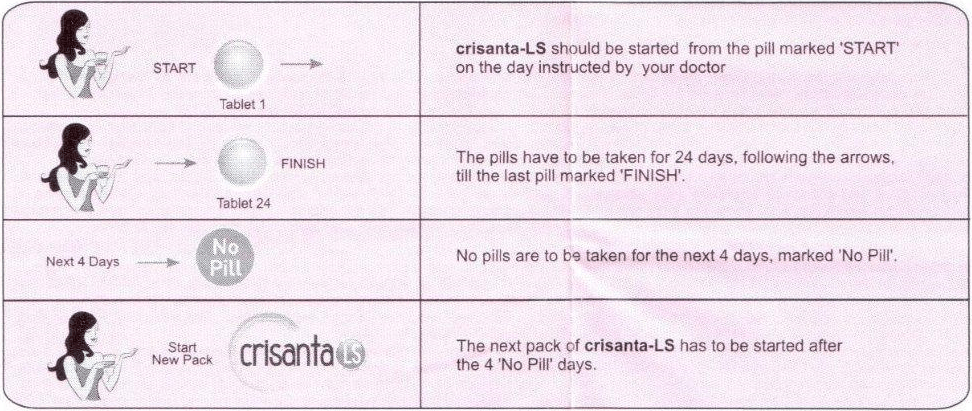
CRISANTA-LS is available in a 24 pill pack. Begin taking CRISANTA-LS from the pill marked ‘START’ on the day instructed by your doctor.
How do I take CRISANTA-LS?
- The dosage of CRISANTA-LS is one pill daily for 24 days starting from the pill marked ‘START’.
- Follow the arrows and take the pills for 24 days till the last pill marked ‘FINISH’.
- Do not take any pill for the next 4 days marked ‘NO PILL’. Your periods will occur within 3 days after you stop taking the pills.
- The next pack of CRISANTA-LS should be started after the 4 ‘NO PILL’ days.
- Take the pill at the same time every day, preferably after dinner or before going to bed.
- Do I have to take CRISANTA-LS every day?
Yes. For CRISANTA-LS to be effective, it has to be taken daily at a time convenient to you. It does not matter at what time of the day it is taken, but once selected, it should be taken as near as possible at the same time each day.
- How do I remember to take my pill every day?
Taking CRISANTA-LS on the same time every day is very important. To remember taking CRISANTA-ls on time, you can do the following:
- Carry CRISANTA-LS in your purse/handbag
- Keep a spare strip of CRISANTA-LS to avoid missing a dose
- Keep CRISANTA-LS at a place where you can see it, e.g., next to your toothbrush
- Link the time of taking CRISANTA-LS to a daily activity, e.g., after dinner or before going to bed at night
- What if I am switching from a different contraceptive pill to crisanta-LS?
If you are switching from another pill, CRISANTA-LS should be started on the same day that a new pill pack would have been started.
- What if I am switching from a different contraceptive method (e.g., intrauterine contraceptive, vaginal ring, injection, transdermal patch, etc.) to CRISANTA-LS?
If you are switching from -
- A transdermal patch or vaginal ring, CRISANTA-LS should be started when the next application would have been due.
- An injection, CRISANTA-LS should be started when the next dose would have been due.
- An intrauterine contraceptive or an implant, CRISANTA-LS should be started on the day of removal.
- What should I do if I miss a pill?
If you miss a pill and it is -
- Less than 12 hours, take the pill as soon as you remember and take that day’s pill at the usual time. This way you may be taking 2 pills on that day.
- More than 12 hours, discard that pill and continue taking the remaining pills according to the schedule. If you are using CRISANTA-LS for -
i. Contraception, use a barrier method of contraception also (e.g. condom) for the next 7 days.
ii. Any other reason and are sexually active, use a barrier method of contraception also (e.g. condom) for the next 7 days.
- What if I experience bleeding between periods?
- Bleeding between periods is common and is experienced by many women. If you experience this, check if you have missed a pill or you have not taken the pill at the same time every day as these may be the reasons for bleeding between periods. If you are taking your pills regularly, the occurrence will decrease as you continue taking CRISANTA-LS.
- However, if the bleeding is persistent or prolonged, consult your doctor.
- What if I experience nausea and vomiting while on CRISANTA-LS?
If you experience nausea and vomiting, take CRISANTA-LS preferably after dinner, before going to bed.
- When will I get my periods after taking the last pill?
You will usually get your periods within 3 days following the last pill. If you have not adhered to the dosing schedule, like you have missed one or more pills or started taking them on a day later than you should have, the possibility of pregnancy should be considered at the time of the first missed period and you should consult your doctor.
- Can I take CRISANTA-LS if I am on other medications or suffering from some illness?
If you are taking any medications or suffering from any serious illness, inform your doctor before starting CRISANTA-LS.
CRISANTA-LS does not protect against HIV infection (AIDS) and other Sexually Transmitted Diseases.
References
1. Drugs Today (Barc). 2008;44(2):133-45
2. Treat Endocrinol 2003; 2 (1): 49-70
3. Minerva Ginecol. 2007;59(4):415-25
4. Contraception. 2004;70(3):191-8
5. Contraception. 2008;77(4):249-56
6. Obstet Gynecol. 2000;95(2):261– 6
7. Obstet Gynecol. 2005;106(3):492-501
8. Contraception. 2008;78(1):16-25
9. Contraception. 2001;63(6):297-302
10. Contraception. 1986;34(3):253-260
11. Contraception. 2005;71(6):409-416
12. Contraception. 2006;74(2):100-103
13. Psychoneuroendocrinology 2003;28:25–37
14. N Engl J Med. 2005;352(14):1463-72
15. Best Pract Res Clin Obstet Gynaecol. 2004;18(5):737-54
16. Contraception. 2000;62(1):29-38
17. Cleve Clin J Med. 2004;71(4):303-5
18. Contraception. 2005;72(6):414-421
19. Best Pract Res Clin Obstet Gynaecol. 2004;18(5):737-54.
20. Contraception. 2011;84(5):508-11