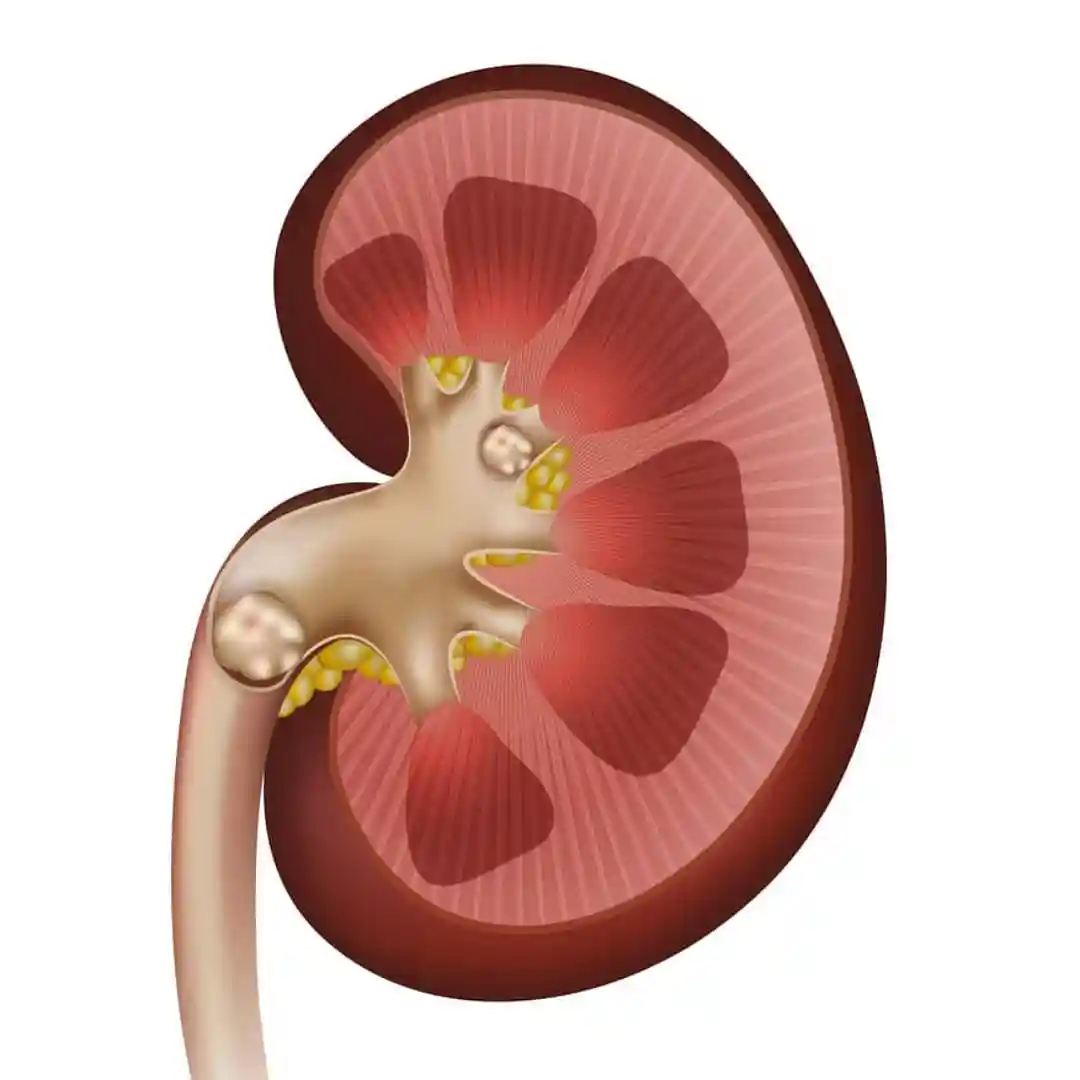
Olopatadine and Mometasone Furoate Combination Nasal Spray in Seasonal Allergic Rhinitis

Introduction
Allergic rhinitis (AR) is a common IgE-mediated condition affecting 10–40% of the global population and significantly impairing quality of life. Its growing prevalence creates substantial healthcare and productivity costs worldwide. Pharmacotherapy remains the mainstay of treatment, with intranasal corticosteroids (INCSs) and INCS–antihistamine fixed-dose combinations (FDCs) providing effective symptom relief. GSP301, a fixed-dose combination nasal spray containing olopatadine (OLO) and mometasone furoate (MF), has demonstrated efficacy and safety in U.S. populations for seasonal and perennial AR, but evidence in Chinese patients with seasonal AR (SAR) remains limited.
Aim
To compare the efficacy and safety of GSP301 with olopatadine and mometasone furoate monotherapy in patients with moderate-to-severe SAR.
Method
Study Design
- Double-blind, randomized, parallel-group, phase 3 study
Patient Profile
- Participants aged >12 years with clinical history of SAR for >2 years
- Positive skin-prick test result (with a diameter of atleast 5 mm greater than the negative control) or positive serum-specific IgE (>0.35kU/L) for relevant seasonal allergens
- 12-h reflective total nasal symptom score (rTNSS) >8 points out of 12 points and an A.M. nasal obstruction score of >2 points out of 3 points
Treatment Strategy
- This randomized study included a 7–10 day placebo run-in followed by 14 days of treatment
- Eligible participants were randomized equally to receive GSP301 (665 μg olopatadine hydrochloride and 25 μg of mometasone furoate, 2 sprays/each nostril twice daily), olopatadine alone (665 μg, 2 sprays/ each nostril twice daily), or mometasone furoate alone (50 μg, 1 spray/each nostril twice daily) for 14 days
Endpoints
Primary Endpoint
- Change from baseline in the average A.M. and P.M. 12-hour rTNSS
Secondary Endpoints
- Changes in the instantaneous TNSS (iTNSS), individual nasal symptoms, reflective total ocular symptom score (rTOSS), instantaneous total ocular symptom score (iTOSS), individual ocular symptoms, and rhinoconjunctivitis quality-of-life questionnaire (RQLQ)
Exploratory Endpoints
-
Concentration of 25 local nasal inflammatory biomarkers
Safety Endpoint
-
Incidence of treatment-emergent adverse events (TEAEs)
Results
- Cohort comprised of 534 patients
- The baseline characteristics, nasal and ocular symptoms and quality-of-life (QoL) scores were comparable between the groups
- At the end of 14-day treatment, GSP301 demonstrated significant improvements in the average A.M. and P.M. 12-h rTNSS compared with the OLO group [posterior least square mean difference (LSMD) = -0.56; p<0.0001] and the MF group (posterior LSMD = -0.43; p<0.0001)
- Similar improvements were observed in iTNSS:
- GSP301 vs OLO: posterior LSMD = -0.50; p<0.0001
- GSP301 vs MF: posterior LSMD = -0.44; p=0.0006
- GSP301 showed improvements in rTOSS, RQLQ, and individual nasal and ocular symptoms (all p<0.05)
- Significant reduction in the levels of interleukin (IL)-5 and eosinophilic cationic protein (ECP) in nasal secretions was noted with GSP301
- The incidence of TEAEs were similar across the groups; 11.2%, 13.5%, and 11.3% s in the GSP301, OLO, and MF groups, respectively
- All the TEAEs were mild or moderate in severity
Conclusion
- Fixed-dose combination nasal spray containing olopatadine and mometasone furoate (GSP301) offered greater symptom improvement as compared with olopatadine and mometasone furoate monotherapy in patients with moderate-to-severe seasonal allergic rhinitis.
- GSP301 demonstrated favorable tolerability and reduced local inflammation in patients with SAR.
World Allergy Organ J. 2026 Mar;19(3):101341. Doi: 10.1016/j.waojou.2026.101341.





.webp?updated=20250515071619)