




Face Mask Reduces Nasal and Ocular Symptoms in Patients with Pollen Allergy During the Covid-19 Pandemic

1 Mar, 22


Introduction
Reducing allergen exposure can increase the efficacy of medical treatment in allergic rhinitis (AR). Pollens are the most common outdoor allergens and a major cause of AR. Usage of face masks during the pollen seasons is recommended for this population. However, there are no studies assessing the effects of face mask in patients with AR. The ongoing Covid-19 pandemic provided a good opportunity to evaluate the effect of face masks on the symptoms of AR.
Aim
This study evaluated whether the use of face masks reduced the AR symptoms in patients with pollen allergy who were compulsorily using face masks due to the covid-19 pandemic.
Methods
Study Design
- Retrospective study.
Patient Profile
- Patients with pollen sensitivity identified by skin-prick test
- Had AR symptoms at enrollment
Treatment Strategy
- A 15-item questionnaire was developed following the study goals by a team experienced in AR,
- The questionnaire consisted of 4 parts
- Demographic information
- Usage of face mask during the pandemic
- Allergic complaints during the pre-pandemic period
- Allergic complaints during the pandemic
- The medical records of patients who underwent allergy tests between 2013 and 2019 were reviewed retrospectively.
- The eligible 50 participants were included in the study, and they answered the questions over the phone.
Endpoints
- Reduction in severity of nasal symptoms
- Reduction in the allergic ocular symptoms
- % Patients requiring medical treatment for AR
Results
- Baseline characteristics of the overall cohort of 50 participants were as follows
- Females 60% (n=30)
- Males 40% (n=20)
- Mean age of 34.34 ± 9.41 years.
- There was significant reduction in the nasal and ocular symptoms in the pandemic as compared to pre-pandemic period as shown in Figure 1.
Figure 1. Patients with moderate and severe nasal and ocular symptoms with and without face mask
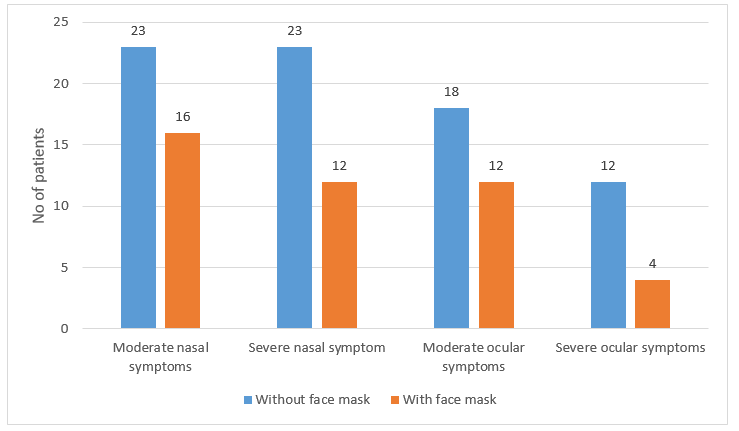
- The rate of moderate and severe nasal symptoms reduced significantly from 92% to 56% with the use of face mask ; p<0.001.
- Similarly, the proportion of patients with moderate and severe ocular symptoms decreased from 60% in the pre-pandemic period to 32% in the pandemic; p<0.001.
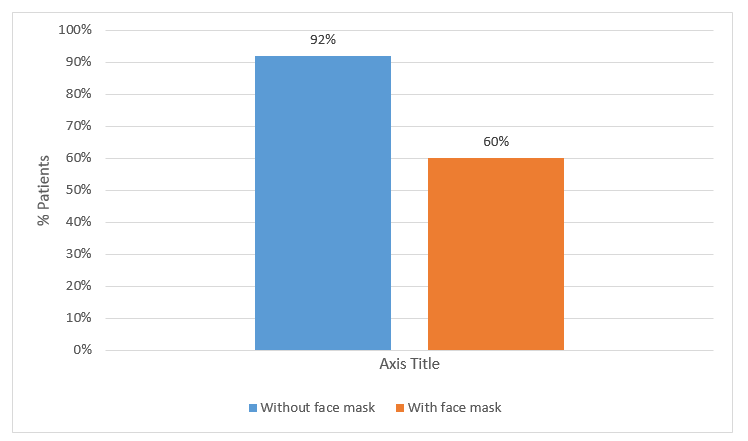
- The use of face mask was associated with a better efficacy of medical treatment as was evident from the reduction in proportion of patients requiring medical treatment for AR; p<0.001 as seen in Figure 2.
Figure 2. % Patients requiring medical treatment in the pre-pandemic and pandemic
- Use of face masks reduced the individual nasal symptoms with the most prominent regression seen in sneezing (p = 0.029) and nasal discharge (p = 0.039).
Conclusion
- The use of face masks was associated with decrease in both nasal and ocular allergic rhinitis symptoms in individuals with pollen allergy.
- The findings of this study suggests that the use of face masks would reduce the severity of allergic rhinitis symptoms and should be considered a preventive measure to minimize exposure to allergens in high-risk environments.
Am J Otolaryngol. Jan-Feb 2022;43(1):103206. Doi: 10.1016/j.amjoto.2021.103206.

More From Area Of Interest
You may also like

13 May, 26

17 Apr, 26
Our Research
23 Feb, 26

23 Feb, 26

11 Feb, 26

11 Feb, 26

11 Feb, 26
Latest Items
Journal Scans
26 Jun, 26

26 Jun, 26

26 Jun, 26
Journal Scans
25 Jun, 26

25 Jun, 26


