ISID 2022: Pediatric Infectious Diseases Challenges and Opportunities


The session discussed measles infection, the prevention of mother to child transmission of hepatitis B, neonatal sepsis in Bangladesh and waterless neonatal ICU in Singapore.
Measles infection has begun once again and data from November 2022 shows outbreak in Ohio, Victoria (Australia), Columbus and Zimbabwe with a large number of reported deaths. Measles, although a preventable disease, has been known to cause death in low- and middle-income countries in the past. India ranks first with maximum number of measles cases being 9,489 as per WHO April 2022 – September 2022 coverage. Vaccinations have helped to considerably reduce the measles outbreak. However, the use of vaccines has been challenging due to the fear that vaccines are harmful and theories of anti vaxxers. It is important to take both doses of measles vaccine as there is a cumulative reduction of mortality. In the Philippines, the controversy of the dengue vaccine made mothers withdraw children from vaccine centres which subsequently gave rise to measles infection; in 2019 there were more than 800 deaths from measles. In the future, there is a need for innovative approaches to improve vaccine coverage, high-quality serosurveys to assess the population’s immunity profile and studies to assess the duration and extent of immunosuppression caused by measles infection.
Hepatitis B is an ancient virus, and yet we have 296 million people living with hepatitis B (WHO). There are 6 million children < 5 years old who suffer from hepatitis B virus (HBV) infection and there are 1.5 million new infections annually. The WHO global health strategy for hepatitis elimination aims for 90% reduction in epatitis B incidence and 65% reduction in mortality by 2030. There is no cure for hepatitis B infection and prevention is the key. Vertical transmission is responsible for the majority of the chronic cases of HBV. If a child got infected at birth, about 90% become chronic cases as compared to an adult which is 25-30%. So, the prevention of vertical transmission is essential to reduce the burden of chronic HBV infections. It is recommended to vaccinate a newborn with 3 to 4 doses of hepatitis B vaccine with the first dose as soon as possible, within 24 hours for all infants. Vaccinated group has a lower incident rate of hepatocellular carcinoma as compared to those who are unvaccinated. If the mother with HBV has a high viral load (> 200,000 IU/ml), it is recommended to administer antiviral therapy (Tenovofir alafenamide) for the mother in the third trimester. Tenovofir alafenamide is a prodrug of Tenovofir disoproxil fumarate and is selectively concentrated in the hepatocytes, has maximum efficacy and clinical safety.
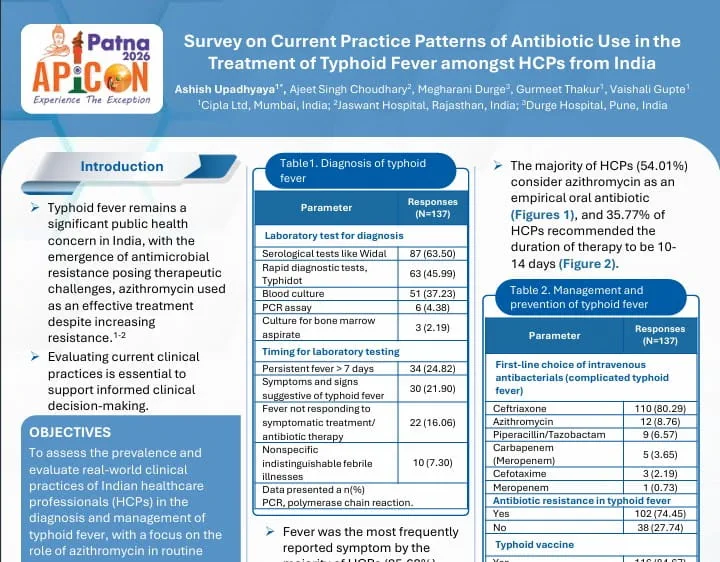
In Bangladesh, when a child presents to the hospital with fever, the investigations include the cause of fever, isolation of the pathogen, study of antimicrobial resistance and an outbreak investigation. There is also an assessment of neurological and respiratory infections. This process has helped Bangladesh to introduce the HepB vaccine and pneumococcal vaccine. From the culture specimens collected, typhoid is the most common infection while Klebsiella and Acinetobacter species are on the rise. There is an increase in the number of neonates affected by Klebsiella with adverse outcomes, even death. With respect to antimicrobial resistance, Klebsiella had resistance to ceftriaxone, ESBL + carbapenems and carbapenem + colistin + ESBL. To prevent Klebsiella, efforts are being made to design maternal vaccines by using O-antigen and K-antigen for Klebsiella.
The concept of waterless ICU or water free ICU activities is the removal of hand hygiene sinks from patient care rooms, coupled with the conversion of the use of routine patient care activities and bathing with a waterless product or sterile water. It has shown to reduce GNR colonization as well as infection rates in the adult ICU. Tap water avoidance reduces the rate of hospital acquired Nontuberculous mycobacteria (NTM) and ICU acquired gram negative bacillus. This practice has helped in the improvement of very low birth weight late onset sepsis rate. This improvement is attributed to the quality of the cleaning and disinfection remaining constant, no alteration of the antibiotic guidelines and no significant changes in procedures that could influence patient management. Some of the other practices in the waterless ICU include the use of anti-bacterial wipes, use of irrigated bottled water for bathing, UV sterilization of milk bottles, discarding milk as biomedical waste, scheduled monthly maintenance program for reduction of biofilms in sink drains. As per experience, it has been found that, water less ICU is a step in the direction for sustainable infection control in the neonatal intensive care unit (NICU).
SS23 International Society for Infectious Diseases (ISID) Congress 2022, 17th-20th Nov. 2022, Malaysia