ESPID 2024: Parallel Symposium: Old Pathogens, New Threats


An ancient pathogen, polio, depicted in Egyptian artifacts, still poses a modern threat. Deformities resembling ancient polio have been observed during epidemiological work in India, highlighting its ongoing relevance. Polio is critically studied due to its status as the only public health emergency of international concern under International Health Regulations (IHR) definitions and its rapid spread and outbreak potential. Efforts to eradicate polio are significant, as it is the closest disease to eradication since smallpox. The final eradication stages face challenges, particularly in regions where the virus still circulates. An exclusive issue is vaccine-derived outbreaks, which are significant for public health. Innovations in vaccine development and mass vaccination campaigns, where vaccines are brought to the people, are crucial for eradication efforts. These strategies aim to overcome barriers and ensure widespread immunization, making polio a key focus for global health programs. The complexities of eradicating polio, including managing vaccine-derived outbreaks and reaching vulnerable populations, underscore the importance of continued efforts and innovations in vaccination strategies to eliminate this ancient and persistent disease.
Polio encompasses several subtypes of polioviruses and related diseases, including wild polioviruses and vaccine-related polio. Wild polioviruses consist of three serotypes, but only wild type 1 persists, limited to Pakistan and Afghanistan. Vaccine-related polio stems from the oral polio vaccine (OPV), which contains live attenuated virus strains. In rare cases (approximately 1 in 4 to 5 million doses), OPV can cause vaccine-associated paralytic polio (VAPP). Additionally, vaccine-derived polioviruses (VDPVs) can emerge, which can circulate and cause paralysis, termed circulating VDPVs (cVDPVs), when circulation evidence is present. Prolonged shedding in immunodeficient patients can lead to immunodeficiency-associated VDPVs (iVDPVs), posing outbreak risks. The concept of VDPVs, discovered in 2000, revealed previously unknown risks. Over the past two decades, wild poliovirus cases have dropped from thousands annually to single digits, such as 12 cases last year in the remaining endemic countries. However, the incidence of VDPVs, particularly type 2, has increased, posing ongoing challenges despite the decline in wild poliovirus cases. The current situation with poliovirus is primarily centered in Pakistan and Afghanistan, the two countries that have never stopped polio transmission. Despite single-digit case reports this year and environmental isolations, there is a notable reduction in the genetic lineage of wild type 1 poliovirus, now down to two families. This pattern mirrors the final eradication phases in India and Nigeria. However, geopolitical unrest, vaccine refusal, and resistance hinder complete eradication. Security threats to vaccine campaign workers further complicate efforts.
In 2022, the Afro region reported a six-month circulation of VDPVs, which swiftly spread globally, reaching London, Israel, the USA (resulting in adult paralysis in New York), Canada, and Indonesia. This highlights that a polio-free status doesn't guarantee safety from outbreaks, emphasizing the virus's outbreak-prone nature. The surge in type 2 cVDPV cases stems from various factors. The 2016 transition from type 2 OPV to bivalent OPV reduced mucosal immunity against cVDPV2. Insufficient inactivated poliovirus vaccine (IPV) supplies failed to prevent paralytic outbreaks, and low-quality outbreak response campaigns with monovalent cVDPV2 led to new outbreaks. These issues, coupled with declining mucosal immunity, fueled type 2 cVDPV spread. Despite their limitations, OPVs and IPVs are crucial for poliovirus control. IPV lacks the intestinal mucosal immunogenicity of OPV, limiting its ability to prevent fecal-oral transmission-driven outbreaks. However, OPV carries a rare but significant outbreak risk. The novel OPV type 2 (nOPV2), developed between 2017 and 2019, received emergency use listing authorization from WHO before COVID-19 vaccines. By the end of 2023, one billion doses had been administered in 48 countries, significantly reducing cVDPV outbreak risks compared to the 2019-2020 peak. However, achieving adequate vaccination coverage remains critical to halt these outbreaks.
The plan is to transition globally to IPV-only use and discontinue the use of OPV, depending on achieving high population immunity, robust surveillance, and halting VDPVs. Examples demonstrate that countries adopting IPV-only policies experienced outbreaks despite high IPV coverage and sanitation standards. Some countries had to reintroduce OPV temporarily. This underscores the dilemma that IPV alone may not suffice to control outbreaks, particularly highlighted in Hungary. Further exploration is warranted regarding IPV-induced outbreaks, with ongoing studies in Bangladesh. Future polio vaccine options include novel IPVs, Sabin IPVs, virus-like particles, and polio vials to prevent shedding in primary immunodeficiency disorder patients. Key uncertainties persist regarding VDPVs, IPV efficacy, and other aspects, necessitating continued research efforts.
Pertussis: Old Pathogen New Threats- Professor Elizabeth Miller
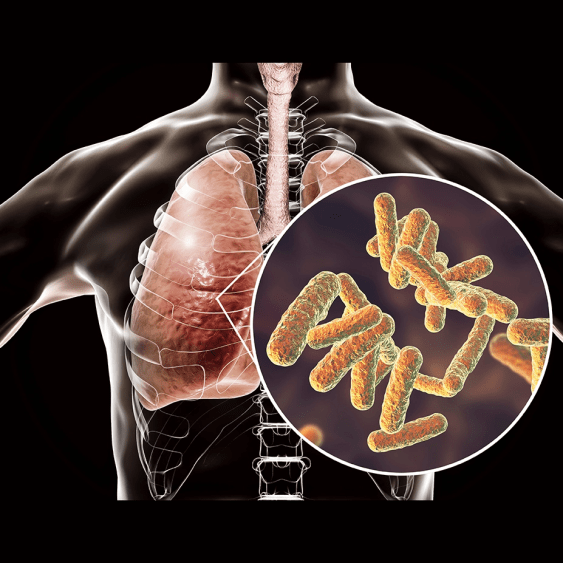
Bordetella pertussis, highly adapted to the human respiratory tract, spreads primarily through human-to-human transmission due to its absence in the environment. It's notably virulent and possesses various virulence factors, such as pertussis toxin and tracheal cytotoxin. Despite long-standing immunization programs, evidence suggests antigenic evolution under vaccine pressure, contributing to pertussis resurgence. Historically, concerns over the whole-cell vaccine (wP) safety led to vaccine hesitancy and a subsequent switch to acellular vaccines, perceived as superior. Large-scale studies in several countries supported the efficacy of acellular vaccines, which are still in use today. However, following the switch to acellular vaccines, many countries experienced pertussis resurgences, including the UK, where a notable increase in cases, particularly in infants, resulted in several neonatal deaths. The resurgence phenomenon was not unique to the UK, as similar patterns were observed in the USA, Australia, and other countries. Despite efforts to prevent early neonatal deaths, there were limited options available.
The resurgence of pertussis within 8-10 years of switching to acellular vaccines prompted a 2014 investigation by the WHO Pertussis working group. They reviewed global vaccine coverage and incidence data, considering whether improved surveillance, like PCR and serological diagnosis, contributed to the perceived increase. The study examined if the pertussis bacterium evolved to evade vaccine-induced immunity and the role of acellular vaccines in the resurgence. A study using baboon models showed that while acellular vaccines protect against disease, they did not prevent bacterial transmission, unlike whole-cell vaccines. Whole-cell vaccines induced a stronger TH1 and TH17 immune response, leading to better bacterial clearance. Todd Merkel's group found that repeated exposure in acellular-vaccinated baboons could reprogram the immune response to be more TH1 and TH17-biased, improving bacterial clearance. This suggests that while acellular vaccines initially provide suboptimal immunity, repeated exposure can enhance their effectiveness.
Although Todd Merkel's recent findings were not initially known, the model included assumptions that vaccinated children (both acellular and whole-cell) could gain protection through exposure and infection without developing typical disease, similar to natural infection. The model's fitting suggested that whole-cell vaccines were more effective against infection than acellular vaccines. It estimated the duration of immunity to be around 15 years for whole-cell vaccines, approximately five years for acellular vaccines, and at least 30 years for natural infection. The model predicted that the switch to acellular vaccines in 2004 changed the baseline endemic transmission of pertussis, allowing for higher transmission levels compared to when whole-cell vaccines were used. The 2012 outbreak was seen as a reset of this endemic transmission level. Without the switch to acellular vaccines, the model predicted that this resurgence would not have occurred. The WHO's 2015 position paper supported these findings, alongside epidemiological studies that confirmed more rapid waning of immunity with acellular vaccines compared to whole-cell vaccines. The combination of data from the baboon model, mathematical models, and epidemiological studies collectively implicated acellular vaccines in the observed resurgence of pertussis.
To protect infants too young for pertussis vaccination, the UK pioneered maternal immunization, hypothesizing that boosting maternal antibodies during pregnancy could shield newborns. Initial studies confirmed its surprising efficacy, leading to global adoption to prevent early infections. Concerns about immunological blunting, where maternal antibodies might interfere with infants' vaccine responses, were investigated. Although antibody levels were lower in infants of vaccinated mothers, a recent modelling study published in Nature Communications found that these maternal antibodies still provided protective benefits. The relative risk of infection in these infants remained lower than in those of unvaccinated mothers, even after multiple vaccine doses. Despite protective measures, pertussis has resurged, with five deaths in England in early 2024. This follows reduced transmission during COVID-19 lockdowns, suggesting a cause-and-effect relationship. Similar patterns are seen in Europe, possibly due to pandemic-related healthcare disruptions. No new immune-evading pertussis strains have been identified. Maintaining high vaccination coverage and maternal immunization remains crucial to protect vulnerable infants.
To address the resurgence of pertussis and protect vulnerable infants, several strategies are proposed. Firstly, efforts should focus on improving maternal immunization rates, as infants serve as indicators of transmission issues. This includes raising awareness among healthcare professionals and the public to promote maternal immunization and prompt diagnosis, as well as timely post-exposure prophylaxis for vulnerable contacts. Early administration of macrolide prophylaxis to high-risk contacts has been shown to be crucial for maximum effectiveness. Clinicians need to maintain vigilance for pertussis amidst the current healthcare climate. Additionally, there's hope for developing vaccines with better transmission interruption capabilities. Camille Locht's live attenuated pertussis vaccine, which has shown promise in baboon studies and phase 2 trials, presents a potential solution. By targeting key toxins and inducing mucosal and serum antibodies, this vaccine holds the potential to protect against the challenge of pertussis. In the face of evolving pathogens, such innovations offer promising avenues for combating pertussis outbreaks.
Old Pathogens, New Threats: Group A Streptococcus -Prof. Jérémie F. Cohen
Group A Streptococcus (GAS) causes a variety of infections. Invasive Group A Streptococcus infections (iGAS) predominantly occur in hospitals. They are associated with severe skin and soft tissue infections, pneumonia (sometimes with empyema), bacteraemia, streptococcal toxic shock syndrome (STSS), and puerperal infections (though the latter is rarely seen in pediatrics). Non-invasive Group A Streptococcus infections (niGAS) include pharyngitis, scarlet fever, perianal infections, blistering dactylitis, and impetigo, with carriage mainly observed in school-aged children. The session addressed the recent surge in iGAS infections among children, particularly during the winter of 2022-2023, observed in the UK, France, other parts of Europe, North America, and Australia. Data from the Public Health Institute, Santé Publique France, indicated 170 pediatric iGAS cases were admitted to pediatric ICUs between September 2022 and March 2023, with half of the cases occurring in children aged 1 to 4. Two-thirds of the cases involved lower respiratory tract infections, mainly pneumonia with empyema, and one-third involved STSS. There were 13 deaths among the children, resulting in a case fatality rate of 7.6%. The session explored the potential explanations for this significant increase in iGAS infections.
In peer-reviewed publications, little information has been provided regarding the situation in France. However, an interesting study has examined data from 2008, revealing seasonal variations in iGAS incidents. During the early phase of the pandemic in March 2020, coinciding with the first lockdown, a dramatic 70% reduction in iGAS cases was observed. Following the lifting of non-pharmaceutical interventions, a significant increase in iGAS cases was noted in winter 2022. Removing mandatory mask-wearing in schools in March 2022 contributed to this surge. A limitation of the study is its endpoint in December 2022, leaving the duration and cessation of this phenomenon unclear. Before March 2020, about four iGAS cases per 1000 hospital admissions were recorded. A dramatic decrease was noted during the early pandemic, followed by a surprising increase post-March 2022. Data until the end of 2023 indicated a rapid return to normal levels. A Seasonality-adjusted Poisson model showed that early pandemic levels were reduced by 80%, while winter levels multiplied by six, eventually normalizing to pre-pandemic levels.
The hypothesis explaining the iGAS surge is primarily based on the emergence of a hypervirulent GAS clone or lineage and extensive community spread. Data from a nasopharyngeal carriage and the PARI network community surveillance were utilized, alongside the impact of viral epidemics (RSV, influenza, and COVID-19) during winter. The French reference center for Streptococci indicated a predominance of M1 and M12 types in 2022 without any hypervirulent lineage emerging. The M1UK lineage, expanding since 2010, continued to replace the global M1 strain, a process that predated the pandemic. The M1UK lineage has mutations, including 27 SNPs, leading to a tenfold overexpression of the superantigenic toxin SpeA. A new lineage named M1DK, expressing a different superantigenic toxin called SpeC, has emerged in Denmark. SpeA and SpeC possess superantigenic activities, acting as major virulence factors for group A strep by bypassing the normal antigen processing pathway. This results in a massive, non-specific immune response characterized by activation of non-specific T cells, cytokine storms, inflammation, increased colonization, scarlet fever, and reduced immunogenic synthesis.
The extensive community spread is examined through two sources of data: nasopharyngeal carriage data and PARI network community surveillance data. A study encompassing 17,000 nasopharyngeal samples of children, infants, and toddlers with acute otitis media is conducted. Findings reveal a minimal presence of Group A Streptococcus (GAS) in the throat of infants and toddlers. GAS strains show sporadic detection over more than 20 years of surveillance, with notable increases in winter. GAS often coexists with Haemophilus influenzae (84%), with predominant strains being emm12 (44%) and emm1 (33%). It suggests a continuum between community carriage and hospitalization for invasive diseases. The circulation of GAS in the community setting is inferred, with a correlation between carriage and asymptomatic states, indicating a potential pathway for invasive diseases. This data suggests a significant community impact on GAS prevalence and its association with other pathogens.
The PARI network, established in 2017, monitors community infections in French children through 125 community pediatricians who use the same electronic medical record system, are trained in pediatric infectious diseases, and extensively utilize rapid tests. This study examined only niGAS cases, such as pharyngitis, scarlet fever, perianal infections, and blistering dactylitis over five years. The incidence of niGAS was analyzed using two breakpoints: the first lockdown of the pandemic in March 2020 and March 2022, when the last lockdown ended and masks were no longer mandatory in schools. A significant drop in GAS escalation in the community was observed during the first lockdown, while a rise in niGAS was noted in March 2022 following the lifting of non-pharmaceutical interventions. Interestingly, this increase in niGAS occurred about six months before a surge in invasive disease was seen in hospitals, suggesting a continuum between community and hospital settings.
The association between viruses and invasive Group A Streptococcus (iGAS) is being considered. The increase in iGAS may be due to the circulation of other viruses, such as RSV, flu, and COVID-19. The data indicates that during the winters of 2022 and 2023, the increase in iGAS coincided with peaks in RSV and influenza. A temporal correlation between circulating viruses and the surge in iGAS infections has been observed. An interesting study from the Netherlands investigated the temporal association between respiratory tract viruses and severe GAS disease. A very strong association between influenza A and STSS was found. It was concluded that up to 40% of STSS cases could be attributable to influenza A infection.
Experimental models involving mice have been used to investigate this association further. It has been found that influenza causes a mucosal breach, increased adherence and internalization of GAS in epithelial cells, the action of viral neuraminidase, and prolonged bacterial persistence in the respiratory tract. The emergence of a hypervirulent clone, the emm1 global strain being replaced by the hypervirulent variant emm1, has been noted. This replacement began well before the pandemic and was influenced by extensive community spread due to the mitigation measures for COVID-19. Initially, high GAS levels were followed by low levels of niGAS, and there was a sudden increase when non-pharmaceutical interventions (NPIs) were lifted. This increase occurred approximately six months before it was observed in hospitals. It has been concluded that NPIs implemented during the COVID-19 pandemic may have led to prolonged low exposure to respiratory pathogens, resulting in increased numbers of susceptible individuals. Lifting NPIs has been associated with high levels of niGAS and iGAS. The importance of continued surveillance of iGAS and niGAS in the community and the necessity for rapid detection and treatment of GAS have been emphasized.
European Society for Paediatric Infectious Diseases (ESPID) 2024, 20th May- 24th May 2024, Copenhagen