ESPID 2023: Biomarkers & Diagnostics


A Novel Combination of Host Protein Biomarkers to Distinguish Bacterial from Viral Infections in Febrile Children in Emergency Care – Chantal Tan
Fever accounts for 20% of all pediatric visits to the emergency department (ED). Majority have self-limiting viral illness but some (0.1%) have serious bacterial infections, such as sepsis, needing antibiotic treatment. However, it is challenging to distinguish between those bacterial and viral infections based on clinical signs and symptoms only. Addition of biomarkers contributes to the diagnostic process, and CRP (C-reactive protein) is the best validated and most commonly used inflammatory biomarker in clinical practice. The aim of the BIVA (biomarker validation) study is to identify a novel combination of protein host-biomarkers and assess its performance to distinguish bacterial from viral infections in febrile children at the ED. Children 0-18 years with fever ≥38°C, venous blood sampling, definite bacterial or viral infection attending EDs in Netherlands were included. Seven protein host-biomarkers were included, protein expression levels were measured with a bead-based immunoassay and feature selection was used to select optimal protein combinations. Individual performance of seven proteins in classifying phenotypes ranged between 61-75%, where IP-10, TRAIL, IFN-gamma, IL-4 increased in definite viral and PCT, LCN2, IL-6 increased in definite bacterial infections. Feature selection identified 3-protein signature- TRAIL + LCN2 + IL-6 with AUC (area under the curve) of 86%. This signature compared to MeMed signature (TRAIL, IP-10, CRP) had AUC of 85% vs. 80% in a clinically challenging group of patients with CRP <60 mg/L. In conclusion, TRAIL + LCN2 + IL-6 is a promising novel combination of protein host-biomarkers with good performance in classifying definite bacterial and definite viral infections. Further steps have to be taken to externally validate this model and assess its performance in other subgroups.
The Diagnostic Kawasaki Disease Gene Expression Profiling (KiDs-GEP) Classifier has a Good Performance in both Complete and Incomplete Kawasaki Disease Patients – Daniëlle van Keulen
Kawasaki disease (KD) is a systemic vasculitis, most prevalent in children <5 years of age with slight male predominance. It may result in coronary aneurysms requiring a life-long cardiac follow-up. Treatment with intravenous immunoglobulins (IVIG) can drastically reduce chances of aneurysm formation but should be given as soon as the illness is detected. Median day of diagnosis is day 6-7, but 1 in 6 KD patients are diagnosed after >10 days. Diagnosis is based on clinical signs, but they are not specific to KD and not all signs are always present at once, making the diagnosis challenging. Incomplete KD has fewer symptoms but is similarly severe. A paper described a gene expression-based classifier (KiDs-GEP) that helped in diagnosis of KD. A study was set up to bridge this signature from a microarray to a qRT-PCR assay which is simpler, faster and cheaper. The aim was to evaluate the performance of this classifier in a US patient cohort with complete and incomplete KD. It was a retrospective study including 100 KD and 400 febrile control (FC) patients’ ≤18 years, samples collected ≤12 days of illness before treatment with IVIG, RNA expression was measured with qRT-PCR. Among patients enrolled within first 7 days of illness, 15% of KD patients were diagnosed with incomplete KD and majority in FC were diagnosed with viral infection. KiDs-GEP classifier score was significantly higher in KD patients than FC, with good performance in distinguishing between KD and FC (AUC 0.91, sensitivity 88.9%, specificity 80.6%) and between KD and viral infection patients, and similar performance in complete and incomplete KD. In conclusion, KiDs-GEP classifier performs well in discriminating KD patients from FC and viral infections and future studies should validate the performance of this classifier.
Validation of the Emergency Department-Pediatric Early Warning score (ED-PEWS) in Febrile Children in Low- and Middle-Income Countries- A Multicenter Observational Study – Joany Zachariasse
Accurate triage is crucial for children with fever presenting to ED for early detection of serious illnesses that are associated with high morbidity and mortality. ED-PEWS consists of age and 6 physiological parameters, created in a large European cohort, to be used as a triage tool to identify high urgency children. The study objective was to assess the validity of ED-PEWS for the recognition of high urgency in febrile children in low- and middle-income countries. It was based on four diverse acute care setting in Gambia, Suriname and Tanzania, all consecutive children with fever >38°C (n=9,254) were included. ED-PEWS was simulated based on the available vital parameters in the database. Outcome measures were composite markers of high urgency, such as mortality, hospital or ICU admission. ED-PEWS was variable with lowest performance in Tanzania (AUC 0.62) and highest in Gambia urban (AUC 0.80). In 2/3 setting, ED-PEWS performed better than the existing triage system. ED-PEWS was able to identify low urgency patients (score cutoff <6) with high sensitivity of >0.9 and identify high urgency patients (score ≥15) with high specificity. In conclusion, ED-PEWS has a moderate-to-good performance for recognizing high urgency in febrile children in low- and middle-income countries and could help in improving the existing triage settings. Further research is needed to identify novel predictors of urgency in these settings and also to study determinants of performance of ED-PEWS for further prospective validation.
Exhaled Breath Analysis: A Promising Triage Test for Tuberculosis (TB) in Young Children-Kenya – Else Bijker
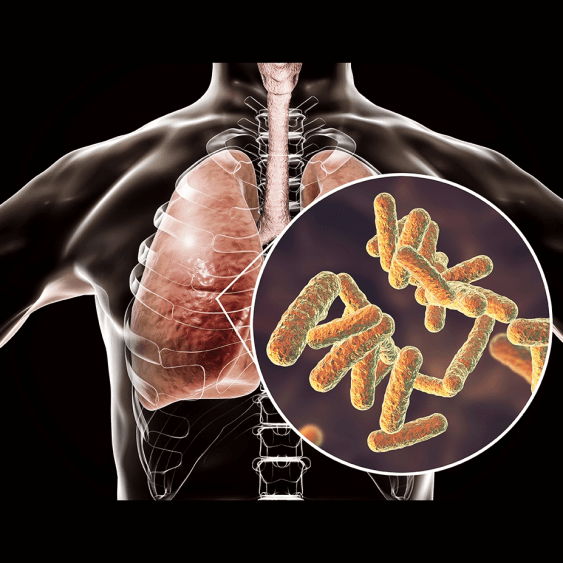
Pediatric TB is a huge problem with 1.1 million cases/year but only 2-40% of those get confirmed microbiologically. This leads to a huge case detection gap, with the highest gap in children <5 years. Therefore, better diagnostics for pediatric TB is needed. Breath test with hand-held portable devices can help diagnose respiratory conditions and infections by measuring volatile organic compounds (VOCs) originating from pathogen or host metabolism. Advantages of such devices: non-invasive, quick, can be used as point-of-care. The prospective cross-sectional study in Kenya included children <5 years (n=124) with symptoms or CXR suggestive of TB. As a microbiological reference standard, Xpert MTB/RIF and culture on multiple samples were used and children were classified with confirmed, unconfirmed or unlikely TB. Breathing into hand-held battery-powered nose device (Aeonose) measures VOCs from exhaled-breath. The device has 3 hotplate metal-oxide sensors acting as semi-conductors. Different VOCs passing through these sensors give different redox reactions that change conductivity in sensors which is measured through artificial neural network. Out of 124 children, 22 (18%) confirmed, 40 (32%) unconfirmed, and 62 (50%) unlikely TB were diagnosed. AUC of the optimal model was 0.73, with 86% sensitivity and 42% specificity. Negative predictive value (NPV) was 90% and positive PV (PPV) was 35%. Artificial neural network on the 40 unconfirmed TB cases classified 26 children positive and 14 negative cases. To conclude, exhaled breath analysis shows promise as a triage test for TB in young children, although the WHO triage criteria (minimal 90% sensitivity, 70% specificity) were not met. External validation in other cohorts and settings is needed.
Adherence to Guidelines for Surgical Infections: Intervention or Not? An International Multi-Center Prospective Study – Daisy Thomas
Fever is the most common reason for a child to present to ED, 1-2% of them require intensive treatment. A better understanding is required of when children require surgical intervention and who could be suitable for conservative treatment. The aims were to identify factors indicating the need for surgical intervention in febrile children, address controversies related to evolving treatment approaches, and streamline services based on the findings. Methods involved comparing surgical vs non-surgically treated patients and exploring three surgically treated clinical syndromes- suppurative central nervous system (CNS) infection, septic arthritis, appendicitis. From the PERFORM cohort, 4391 children with community acquired infections were included of whom 431 patients had surgery. Surgery criteria were therapeutic, diagnostic, facilitatory, and therapeutic + diagnostic. The 7 variables identified as significant predictors of requiring surgery were older patients, surgery done in last 4 weeks, presented with vomiting, gastrointestinal (GI) comorbidity, circulatory support requirement in ED, neutrophilia, bacterial infection. Surgical patients had longer admission length and were more likely to be admitted to PICU. In appendicitis patients, 13/105 were treated non-surgically, one of which represented gangrenous perforated appendix 24 hours after discharge. The characteristics associated with surgical intervention was more urgent triage status. In suppurative CNS infection, 5/10 patients were in surgical group, difference between two groups was length of stay (33 vs. 6 days). In septic arthritis, 20/28 had surgical intervention with longer length of stay (9.5 vs. 3 days). There were no differences in outcome variables between surgical and non-surgical groups in these clinical phenotypes. Musculoskeletal, Gastrointestinal soft tissue diseases were significantly associated with increased surgery rates. Recent surgery patients needed surgical intervention due to complications (site infection, obstruction, pain), minimal difference in outcome in appendicitis may support move to less invasive treatment. Limitations of the study were lack of surgery details and modeling limitation due to international guidelines variability. In conclusion, febrile children with GI comorbidity, vomiting and recent surgery are common surgical candidates, more appendicitis patients are likely suitable for non-invasive treatment, inconsistent utilization of surgery in suppurative CNS infections and septic arthritis imply clinical findings are outweighed by clinician judgement, highlighting inter-doctor variations and need for more robust guidelines.
Optimizing Computer Aided Detection to Identify Tuberculosis on Chest X-ray in South African Children – Megan Palmer
Estimated mortality rates for children diagnosed and treated for TB are <1%, yet 200,000 children die from TB annually. This highlights the obstacles around case detection and the need for new diagnostic tools and strategies. Pediatric TB diagnosis heavily relies on clinical algorithms, the majority including CXR, but has issues with variability and access to specialist's interpretation. Computer aided detection (CAD) to identify TB on CXR is promising in adults and approved by WHO for TB screening and triage. Few CAD products are marketed for pediatrics but with no published data on their performance in this age group. The study aimed to measure and optimize the performance of an adult CAD system, CAD4TB, to identify TB on CXR in children with presumptive TB. It included 620 South African children (median age 17 months) with presumptive TB based on baseline investigations and standard clinical case definitions. A total of 525 digital CXRs interpreted by experts with labels “TB” or “not TB" were included, 80 allocated to independent test set and 445 to training set. CAD testing was based on radiological reference standard and comparing original model with newly generated fine-tuned model. AUC increased from 0.58 to 0.72 after fine-tuning. CAD scoring for CXR classified as “TB” changed from 51.5 to 57.9 and “not TB" changed from 50.6 to 31.8 after fine-tuning, demonstrating a better discrimination between TB and not TB CXRs. Fine-tuned CAD model-generated heat maps picked paratracheal opacities better than the original CAD model. This study showed meaningful improvement in CAD performance after training, and it could be a choice of reference standard within current clinical algorithms. The way forward is using a larger, diverse pediatric CXR dataset for CAD training and validation.
Discovery and Validation of a Six-marker Transcriptomic Signature for Diagnosis ofChildhood TB in an African Multi-country Cohort- Ortensia Vito
Biomarker-based diagnostic tests can be a good alternative to diagnose TB. The aim of this multi-cohort study was to identify and validate a new signature distinguishing TB from other diseases (OD) in children that meets the minimum WHO target profile criteria. A previous study in 2014 identified 51-gene signature to distinguish TB from OD in children but the number of genes were too many to be translated into point-of-care test. Another study (2016) identified 3-gene signature that performed well in adults but not in children. The current cohort included >4000 children with confirmed, latent, unconfirmed or unlikely TB, HIV & non-HIV, pulmonary & extra-pulmonary TB. RNA sequencing was done in discovery phase, feature selection identified a 6-gene signature that was targeted by RT-qPCR in the used samples for cross-platform validation and in unused samples for independent validation. In the discovery cohort, the signature had an AUC of 91.2% with 80% sensitivity and 92.2% specificity for confirmed vs unlikely TB. In cross-platform validation, the AUC was 87.5% with sensitivity and specificity >80%. In independent validation cohort, the AUC was 89.3% with 88.5% sensitivity and 86% specificity. To conclude, the newly identified 6-gene signature had a sensitivity of 90.4% when specificity was fixed at 70% in the independent validation cohort, which met the minimal WHO requirements for a biomarker-based triage test for TB is children.
Meningitis Screening based on a Novel, Non-invasive, Transfontanellar Ultrasound Device: A Proof-of-concept Study – Sara Ajanovic Andelic
Acute bacterial meningitis is a life-threatening disease with 1.5 million cases/year and 1, 50,000 deaths in children aged <5 years. Factors for bad outcomes are diagnosis and treatment delays and unspecific clinical presentation in neonates/infants. The gold standard for diagnosis is lumbar puncture (LP), an invasive procedure non-exempt of risk. Low-income countries have less resources to perform LPs and in high-income countries, LPs are performed as a protocol to rule out meningitis, 90% of which are negative and 40% are traumatic. The study objective was to validate a novel transfontanellar ultrasound-based technique to screen meningitis, designed to identify white blood cells (WBC) in cerebrospinal fluid (CSF), and use on patients with criteria for an LP. It included 6 cases and 10 controls aged <12 months, unclosed fontanel, suspected meningitis and LP performed <24 hours. The exclusion criteria was CNS malformation contraindicating LP, h/o traumatism or intracranial bleeding. The device was placed on fontanel of the newborn displaying high resolution images of WBC in CSF. The images exclusion criteria included insufficient CSF space, bad coupling, and inappropriate anatomical location. For device-purpose classification, threshold of ≥30cells/mm3 was established as “case” of meningitis and less as “control”. Deep learning training was applied for final results. Cases had a median of 300 WBC/mL and controls had 6 WBC/mL in CSF. In cases, 4 were microbiologically confirmed to have meningitis with pathogen identification and other 2 had bacterial sepsis. In controls, 8 had viral episodes, 1 urinary tract infection and 1 entero-viral infection. The device correctly classified all 7 cases and 9/10 controls, showing 100% sensitivity, 90% specificity. Limitations were number of participants and one misclassified control likely due to a smaller number of images than other participants (9 vs 46). Phase 1 trial is ongoing (>170 participants) with an aim to get quantitative results, increase number of images, and train the algorithm to avoid wrong anatomical placing and automatically locate correct space to analyze CSF. In conclusion, the ultrasound device shows promise in screening for meningitis in neonates and infants with a permeable fontanel and aid clinicians in accurately identifying potential meningitis in patients with nonspecific clinical presentations. It could reduce unnecessary LPs and work as an efficient screening tool in countries with scarce available sources.
Identification of a Host Protein Signature for Differentiating Between Kawasaki Disease and Other Pediatric Infectious and Inflammatory Diseases – Heather Jackson
Kawasaki is a pediatric inflammatory disease with an unknown trigger and overlapping clinical presentation with other childhood febrile illnesses. Accurate diagnosis is important to ensure appropriate and timely treatment. The aim was to explore plasma proteasomes from children with KD and compare to those with MIS-C (multisystem inflammatory syndrome in children), bacterial and viral infections, and identify a small diagnostic protein signature for diagnosing KD. It included 38 KD, 40 bacterial, 43 viral, and 79 MIS infected children. Proteomics was performed using Soma Scan 7k assay platform, differential abundance analysis was done using limma powers for RNA-sequencing and microarray studies, and signature identification was done with feature selection (FS-PLS). Considerable differences were observed in protein profiles of children with KD compared to other groups. Four proteins were identified that could accurately distinguish KD from the other disease groups, with AUC 97.4% and equally good performance across each groups. To conclude, despite the clinical similarities, there are considerable differences in the protein level between KD and MIS-C, bacterial or viral infections. The 4-protein signature has the potential to be developed into a rapid point-of-care test. The signature will undergo validation in independent cohorts of patients using a simpler quantification platform.
41st Annual Meeting of the European Society for Paediatric Infectious Diseases (ESPID), 8-12 May, 2023