ERS 2024: Late Breaking Abstract - Dietetic Intervention in Malnourished Patients with Interstitial Lung Disease: A Pilot Trial


Speaker: Rasleen Kahai
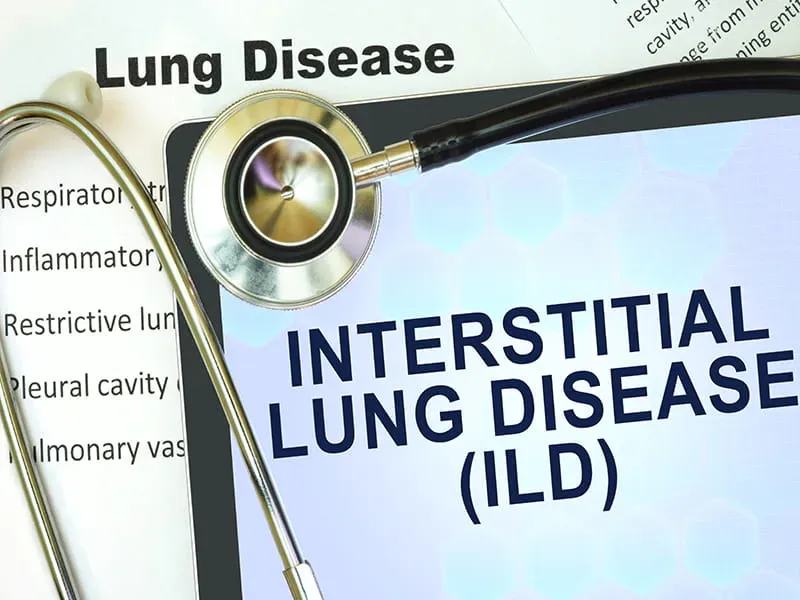
Though the prevalence of malnutrition in interstitial lung disease (ILD) is limited, current estimates range between 9% and 55%. Patients with ILD who are underweight or have lost more than 5% of their body weight experience shorter survival, independent of disease severity. While dietetic input has been shown to improve dietary quality, intake, and quality of life in malnourished patients in other cohorts, such as cancer, the impact of specialized dietetic support for ILD patients remains unknown.
The pilot trial aimed to investigate the effects of dietetic intervention on malnourished patients with ILD. This 12-week randomized controlled trial involved ILD patients at risk of or already experiencing malnutrition. Participants were randomized to receive either dietetic intervention or standard care, which consisted of providing written literature and a poor appetite diet sheet. Patients were also stratified according to their anti-fibrotic treatment. The primary outcomes measured were the feasibility of retention and recruitment, while secondary outcomes included anthropometric measures and quality of life assessments.
Participants were assessed at baseline and end of the trial, with additional weight checks conducted via phone calls at 2, 4, and 8 weeks. The trial successfully recruited 40 patients within a seven-month period, achieving the target recruitment goal and maintaining 100% retention. Baseline characteristics had no significant differences between the two groups. Notably, patients had lost an average of 8 kilograms in the 12 months prior to the trial, although their average Body Mass Index remained normal, indicating that current malnutrition screening processes might be inadequate.
Results revealed that the control group, which did not receive dietetic intervention, continued to experience significant weight loss compared to the dietetic group. The monthly weight difference between the two groups was 0.47 kilograms, a finding that remained significant after adjusting for demographics, disease severity, anti-fibrotic and anthropometrics. The trend was consistent when stratifying by anti-fibrotic treatment. Improvements in gastrointestinal symptoms and malnutrition scores were observed in the dietetic group, with constipation showing significant improvement, though other improvements did not reach statistical significance.
Patient feedback indicated that over 80% of those in the dietetic group felt better, compared to less than 40% in the control group. The dietetic intervention led to changes in oral intake habits, with patients expressing greater awareness of their eating habits and making more deliberate dietary choices. The trial demonstrated the feasibility of individualized dietetic care in reversing ongoing weight loss and highlighted a significant unmet need for dietetic input, as evidenced by over 120 referrals within the study period. This pilot trial underscores the effectiveness of personalized dietetic interventions in managing malnutrition in ILD patients, emphasizing the need for incorporating such approaches into routine clinical practice.
European Respiratory Society Congress 2024, 7–11 September, Vienna, Austria.