

ERS 2024: Are We Ready for Precision Medicine in Pulmonary Hypertension?


Speaker- Athenais Boucly
Precision medicine differs from current medicine, which follows a "one-size-fits-all" approach. Instead, precision medicine tailors treatment to individual patients by considering genetic, environmental, lifestyle factors and so on. The approach has shown clear benefits, particularly in oncology, where targeting treatments for genetic abnormalities has led to better outcomes in response rates, progression-free survival, and overall survival. Similar findings have been found in field of asthma, where biologics targeting specific pathways have been developed to treat severe asthma. A meta-analysis of 48 trials involving over 16,000 patients showed that these biologics reduce exacerbations and hospitalizations, improve lung function, and limit the use of systemic corticosteroids.
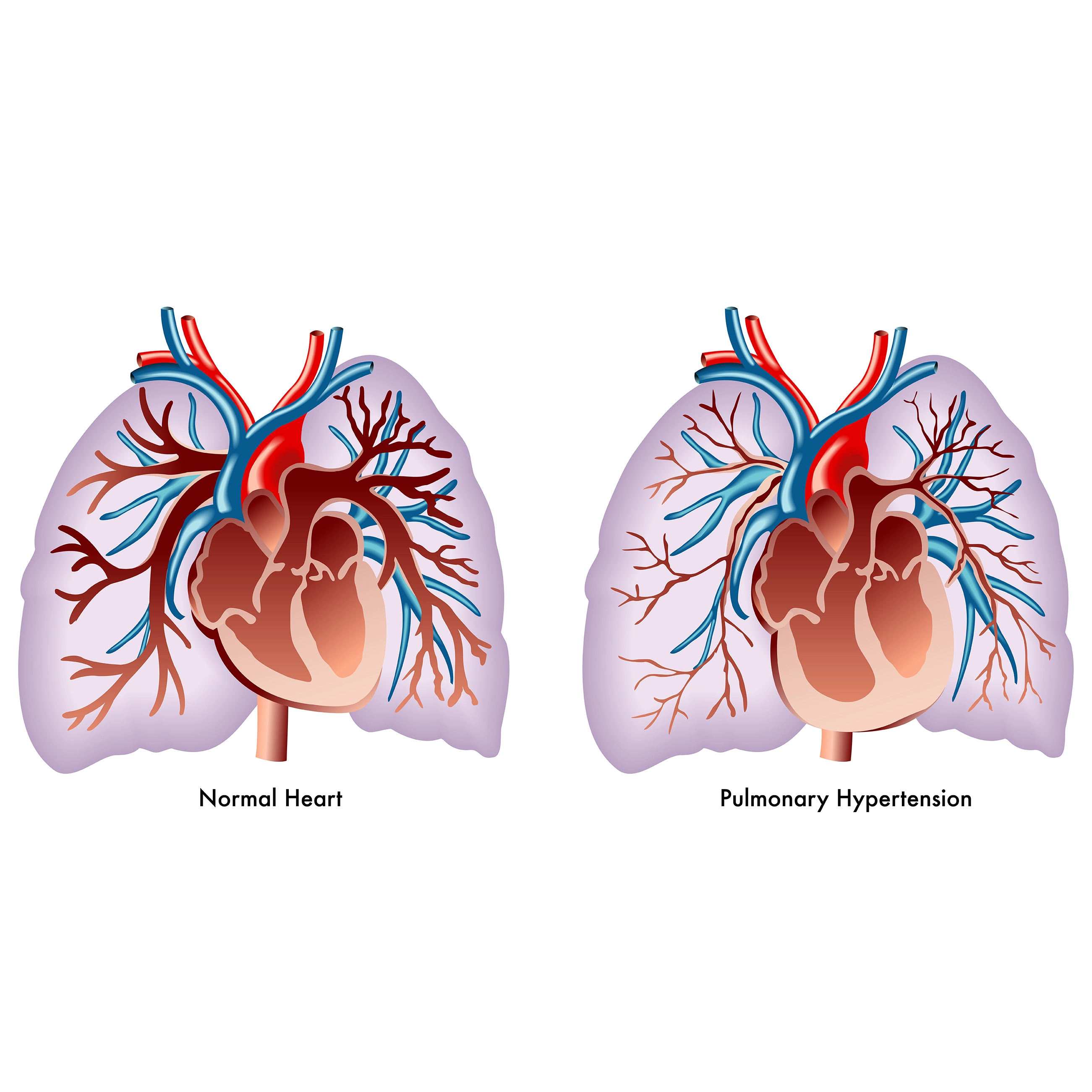
Precision medicine in pulmonary hypertension (PH) relies heavily on clinical classification based on hemodynamics, imaging, and biomarkers to guide treatment strategies. For example, in chronic thromboembolic PH (CTEPH, Group 4), patients may undergo surgery, balloon pulmonary angioplasty (BPA), drug therapy or combination of these. In contrast, pulmonary arterial hypertension (PAH, Group 1) is primarily treated with drugs, with lung transplantation reserved for end-stage cases. In PAH, during right heart catheterization (RHC), vasoreactivity testing helps identify calcium channel blocker (CCB) responders. Guidelines recommend vasoreactivity testing for idiopathic, heritable, or drug-associated PAH, with a positive result defined as a decrease in mean pulmonary arterial pressure(mPAP) of at least 10 mmHg to achieve a mPAP<40mmHg without affecting cardiac output. These responders are to be initiated on CCB, leading to improved long term outcomes. However, not all patients maintain long-term responses to CCBs.
Ribonucleic acid (RNA) expression profiles were analyzed to distinguish long-term CCB responders better, revealing distinct patterns between long-term responders and non-responders. In this study, each row in the heat map represented a patient, with CCB responders at the top and non-responders at the bottom. Each column corresponded to a different gene, with green indicating high expression and red indicating low expression. The distinct gene expression profiles between responders and non-responders were clear. A key question was whether these differences were due to CCB exposure. Interestingly, regardless of prior CCB exposure, non-responders showed similar RNA expression profiles, indicating that CCB exposure does not explain the RNA differences. The study also proposed a decision tree based on two genes to predict long-term CCB response in an independent validation cohort, demonstrating that deep phenotyping based on RNA expression profiling can effectively predict CCB responsiveness. However, for the majority of PAH patients who show negative vasoreactivity, standard PAH therapies must be prescribed, targeting the nitric oxide, endothelin, prostacyclin, and Transforming Growth Factor beta (TGF-beta) pathways. Choosing the right treatment remains challenging, as current guidelines and algorithms are based on risk stratification but do not account for detailed patient phenotyping. A study highlighted that responses to PAH therapies are highly variable, which may partly be explained by the underlying etiology but is insufficient to predict outcomes in all patients.
Currently, in managing PAH, patients are often treated similarly based on similar signs, symptoms, and risk status despite varying treatment responses. The ultimate goal is to phenotype patient using deeper techniques such as omics, genomics, transcriptomics, proteomics, or metabolomics, enabling personalized treatment for optimal outcomes. One example of precision medicine is the use of the Pyruvate Dehydrogenase Kinase (PDK) inhibitor, dichloroacetate, which showed varied responses in hemodynamics, i.e., mPAP, pulmonary vascular resistance (PVR), and exercise capacity, depending on single nucleotide polymorphisms (SNPs). This demonstrated that genetic profiles can significantly influence treatment response. In another trial , which evaluated rituximab in systemic sclerosis-PAH patients and was an overall negative trial, a subgroup had showed improvement in the six-minute walk test. Using machine learning models, three theranostic biomarkers—rheumatoid factor, interleukin-12, and interleukin-17—were identified as predictors of rituximab response.
Normally, pulmonary arteries balance pro-proliferation signaling via Activin and anti-proliferation signalling through Bone Morphogenetic Protein Receptor Type 2(BMPR2). However, impaired BMPR2 signaling in PAH causes signaling imbalance leading to increased proliferation. Sotatercept, an Activin signaling inhibitor, restores this balance. Notably, the efficacy of Sotatercept is consistent across all patients, regardless of BMPR2 mutation status or Activin levels.
Proteomics can assess the impact of specific therapies by comparing proteomic profiles before and after treatment, as well as before and after placebo administration. Results are typically presented in a volcano plot, where each dot represents a protein responding to therapy compared with placebo. Proteins are color-coded: gray indicates no change, red shows an increase with therapy compared to placebo, and blue indicates a decrease. This same approach was applied in two studies. The first study on Sotatercept analyzed 3,072 proteins, identifying 52 differentially expressed proteins between Sotatercept and placebo. These included proteins involved in the either TGF-beta pathway or inflammation, or oxidative stress. Similarly, the study on Seralutinib also analyzed 3,072 proteins, finding 380 proteins differentially expressed compared to the placebo. These proteins were involved in either the Platelet-Derived Growth Factor (PDGF) pathway, inflammation or fibrosis. Both studies demonstrated that these therapies not only target the specific pathways but they also act on inflammation, fibrosis and endothelial dysfunction.
Analyzing the plasma proteome in PH can also provide valuable insights. By comparing proteomic profiles of PH patients with controls, proteins differentially expressed between these groups were identified. Clustering analysis revealed four distinct clusters, each closely associated with survival outcomes. Validation of these findings in two independent cohorts confirmed that cluster changes over time correlated with survival. Specifically, patients in Cluster 3, with poor survival, showed upregulation of the PDGF pathway, whereas those in the worst survival group had upregulated TGF-beta pathways. This indicated that Cluster 3 patients might benefit from tyrosine kinase inhibitors, while Cluster 1 patients may respond better to Activin signalling inhibitors.
In summary, precision medicine in PH today includes clinical classification based on current tests and deep phenotyping using omics. With various therapies available or in development, combining these approaches can enhance patient phenotyping, identify theranostic factors through which personalised medicine by right treatment selection, in the right patient at the right time can be provided.
European Respiratory Society Congress 2024, 7–11 September, Vienna, Austria