ASH 2025: Highlights from Day 3


Efficacy and Safety of Rocbrutinib, the Fourth Generation Bruton's Tyrosine Kinase Inhibitor, in Patients with BTK Inhibitor Pre-Treated Relapsed or Refractory Mantle Cell Lymphoma: Results from a Phase II Rock-1 Trial
Presenter: Yuqin Song
- Patients with relapsed/refractory mantle cell lymphoma (r/r MCL) face poor outcomes after covalent BTKi therapy.
- Rocbrutinib, a fourth‑generation highly selective BTKi, with dual covalent and non‑covalent activity against wild‑type and C481 mutant BTKs, has shown promising results in patients with multiple types of B cell non-Hodgkin lymphoma in a phase I study.
- In this phase II ROCK‑1 trial, 61 Chinese patients (median age 61; 73.8% male; 68.9% Ki‑67 ≥30%) received rocbrutinib 150 mg QD.
- Median prior therapies for the study population were 3, including cBTKi (100%) and anti‑CD20 antibody (95.1%), immunomodulator (31.1%), BCL-2 inhibitor (9.8%), and stem cell transplant (6.6%).
- The median number of prior cBTKi treatment was 1, with 34.4% receiving more than two lines of prior cBTKi regimens.
- Independent review reported ORR 63.9% (95% CI, 50.6–75.8), with 23.0% complete responses.
- Median PFS was 7.39 months (95% CI, 3.71–18.30), median DOR 16.46 months (95% CI, 8.25–NR), and median OS was not reached at 17.02 months.
- Grade ≥3 TEAEs included lymphocytosis (12.9%), anemia (11.3%), pneumonia (11.3%), neutropenia (9.7%), thrombocytopenia (6.5%). No permanent discontinuation of rocbrutinib or death attributed to TEAEs.
- Rocbrutinib demonstrated durable efficacy and manageable safety in heavily pretreated, cBTKi-exposed Chinese r/r MCL patients, warranting phase III confirmation.
Reference
Song Y et al, Efficacy and Safety of Rocbrutinib, the Fourth Generation Bruton's Tyrosine Kinase Inhibitor, in Patients with BTK Inhibitor Pre-Treated Relapsed or Refractory Mantle Cell Lymphoma: Results from a Phase II Rock-1 Trial. 67th Annual Meeting of American Society of Hematology, 2025, abs25-9156.
Luspatercept Initiated at the Maximum-Approved Dose in Transfusion-Dependent Lower Risk Myelodysplastic Syndromes: Interim Analysis from MAXILUS
Presenter: Amer Zeidan
- Luspatercept, an erythroid‑maturation agent, was evaluated at the maximum‑approved dose (1.75 mg/kg Q3W) in transfusion‑dependent (TD) lower‑risk myelodysplastic syndromes (LR‑MDS) patients in the phase 3b MAXILUS study.
- At cutoff (April 14, 2025), 105 patients (median age 76 years; ESA‑naive n=52, ESA‑R/R/I n=53) were enrolled.
- SF3B1 mutation was present in 51.9% (naive) and 56.6% (R/R/I) patients.
- Furthermore, 40.4% (21/52) and 39.6% (21/53) of the study subjects had ring sideroblast (RS)-negative status; and 73.1% (38/52) and 43.4% (23/53) of them had baseline serum erythropoietin (sEPO) ≤200 IU/L.
- Among efficacy‑evaluable patients completing 24 weeks, RBC transfusion independence (RBC‑TI) ≥8 weeks with hemoglobin rise ≥1.0 g/dL was achieved in 73.3% (naive) and 65.3% (R/R/I).
- RBC‑TI ≥12 weeks occurred in 70.0% (I) and 49.0% (R/R/I), with higher benefit in baseline sEPO ≤200 IU/L (85.0% vs 61.9%).
- Of the entire study population, 11.5% required ≥1 dose reduction; 36.5% had ≥1 dose delay.
- Treatment‑emergent adverse events occurred in 78.8–92.5% of patients, grade 3/4 in 34.6–47.2%, with no thromboembolic events or AML progression.
- Luspatercept showed durable efficacy and manageable safety.
- The high rate of RBC-TI ≥12 weeks in ESA-naive pts suggests that early use of luspatercept may contribute to clinical benefit.
Reference
Zeidan A et al, Luspatercept Initiated at the Maximum-Approved Dose in Transfusion-Dependent Lower Risk Myelodysplastic Syndromes: Interim Analysis from Maxilus. 67th Annual Meeting of American Society of Hematology, 2025, abs25-9156.
Crenolanib Plus Salvage Chemotherapy Improves Outcomes in FLT3-Mutant and NPM1 Co-mutated Relapsed/ Refractory (R/R) Acute Myeloid Leukemia (AML): Results from a Randomized, Placebo Controlled, Double-Blind Trial
Presenter: Thomas Cluzeau
- This randomized, placebo-controlled phase 3 trial evaluated the efficacy and safety of adding crenolanib (a potent type 1 FLT3 inhibitor) to salvage chemotherapy in 106 adults (median age: 55 years, with 25% ≥ 65 years) with relapsed/refractory FLT3-mutant acute myeloid leukemia (AML).
- Study subjects were randomized 1:1 to salvage induction chemo (FLAG-IDA/HAM) + crenolanib (100 mg TID) or placebo.
- This was, followed by intermediate-dose cytarabine consolidation + crenolanib or placebo, and [if eligible, hematopoietic stem cell transplantation (HSCT)] followed by crenolanib or placebo monotherapy for up to 1 year.
- The study subjects were heavily pretreated with 69% receiving at least one previous FLT3 TKI, 27% receiving ≥2 prior therapies and 25% receiving prior allogeneic HSCTs.
- The overall response rate (CR/CRi) was 60% with crenolanib vs. 39% with placebo.
- Median event-free survival (EFS) improved from 0.0 to 3.4 months (HR: 0.64; p = 0.0145). In NPM1/FLT3 co-mutated patients (n = 59), CR/CRi was 70% vs. 46%.
- At a median follow-up period of 37.3 months, EFS improved to 6.1 months (HR: 0.53; p = 0.0162), and overall survival (OS) doubled from 6.3 to 12.4 months (HR: 0.53; p = 0.0314).
- Grade 3/4 adverse events included GI bleeding and liver enzyme elevations (15% each).
- Crenolanib showed a favorable safety profile and enhanced efficacy - statistically significant improvement seen in not only remission rate and EFS but in OS, especially in NPM1/FLT3 co-mutated AML, supporting its continued development.
Reference
Cluzeauet T al, Crenolanib Plus Salvage Chemotherapy Improves Outcomes in FLT3-Mutant and NPM1 Co-mutated Relapsed/ Refractory (R/R) Acute Myeloid Leukemia (AML): Results from a Randomized, Placebo Controlled, Double-Blind Trial 67th Annual Meeting of American Society of Hematology, 2025, abs25-9156.
Elritercept Shows Durable Responses in Lower-Risk Myelodysplastic Neoplasms (LR-MDS) with Transfusion Dependence: Updated Results from an Ongoing Phase 2 Trial
Presenter: Lynette Chee
- An ongoing Phase 2 trial evaluated elritercept, a modified activin receptor type IIA/IgG1 fusion protein, for anemia in lower-risk myelodysplastic syndromes (LR-MDS).
- It included 78 transfusion-dependent patients who received elritercept at 3.75 mg/kg.
- In the first 24 weeks, 38.5% achieved transfusion independence (TI) ≥8 weeks, and 26.9% achieved TI ≥24 weeks in the first 48 weeks, with 75.9% sustaining TI at 48 weeks.
- Sustained TI ≥24 weeks was achieved in 67.3% of patients with TI ≥8 weeks.
- Median duration of response was 110.9 weeks; median time to TI was 0.4 weeks.
- Hematologic improvement-erythroid response occurred in 61.5% patients, with median onset at 3.1 weeks. SF3B1 mutation (64%) correlated with higher TI response (52% vs. 25% in those without SF3B1 mutations).
- Elritercept demonstrated durable efficacy across erythroid-stimulating agent (ESA)-naïve (23.2%) and prior ESA-exposed (13.6%) patients.
- This study highlighted its potential to treat transfusion dependent anemia in patients with and without SF3B1 mutations as well as prior exposure to ESAs; who otherwise have limited treatment options.
Reference
Chee L et al, Elritercept Shows Durable Responses in Lower-Risk Myelodysplastic Neoplasms (LR-MDS) with Transfusion Dependence: Updated Results from an Ongoing Phase 2 Trial. 67th Annual Meeting of American Society of Hematology, abs25-13407.
Durable Efficacy and Long-Term Safety with Pelabresib Plus Ruxolitinib in JAK Inhibitor–Naive Myelofibrosis: 96-Week Results from the Phase III MANIFEST-2 Study
Presenter: Raajit Rampal
- MANIFEST-2, a double-blind, randomized, Phase III study, assessed the efficacy of pelabresib (PELA) as compared to placebo (PBO) once daily with ruxolitinib (RUX) twice daily in Janus kinase inhibitor (JAKi)–naïve myelofibrosis patients at 96 weeks.
- PELA+RUX achieved the endpoint of ≥35% reduction in spleen volume response (SVR35) in more patients versus PBO+RUX (91.5% vs. 57.5%).
- These represented 45.3% vs 30.1% of intent-to-treat population in each arm (difference, 15.2%) respectively, and showed sustained benefits of PELA+RUX.
- The absolute change in total symptom score (TSS), from baseline was −15.07 in PELA+RUX arm vs −12.48 in PBO+RUX arm (difference, −2.59).
- Also, more patients in PELA+RUX achieved ≥50% reduction in TSS from baseline (TSS50) than PBO+RUX (36.9% versus 28.2%), and PELA+RUX demonstrated durable responses in symptom improvement.
- PELA+RUX attained more dual SVR35/TSS50 responses vs. PBO+RUX (31.8% versus 15.7%).
- Hemoglobin response was higher with PELA+RUX (17.8% vs 11.6%), and RBC transfusion needs were lower (33.1% vs 39.9%).
- Safety was comparable between PELA+RUX vs PBO+RUX arms: any grade treatment-emergent adverse events, 99.5% vs 98.1%; leukemic transformations, 5.1% vs. 3.7%; deaths, 28 vs. 32 (overall survival HR, 0.986) and progression-free survival, 22 vs. 34 events (HR, 0.746).
- This was the longest follow-up study of a randomized combination trial in myelofibrosis.
- The results suggested durable spleen and symptom improvements, anemia benefit, potential disease-modifying effects, improved survival, fewer deaths and progression events with PELA+RUX versus RUX monotherapy.
Reference
Rampal R et al, Durable Efficacy and Long-Term Safety with Pelabresib Plus Ruxolitinib in JAK Inhibitor–Naive Myelofibrosis: 96-Week Results from the Phase III MANIFEST-2 Study. 67th Annual Meeting of American Society of Hematology, abs25-8101.
Liposomal Mitoxantrone versus Chidamide in Relapsed/Refractory Peripheral T-Cell Lymphoma: Final Analysis from the Multicenter, Prospective Randomized Phase 3 Study
Presenter: Huiqiang Huang
- An open-label, active-controlled, randomized Phase 3 trial assessed the efficacy and safety of liposomal mitoxantrone (Lipo-MIT; 20 mg/m², intravenous, every 4 weeks, for a maximum of 6-8 cycles) versus chidamide (30 mg, twice weekly), an oral subtype-selective histone deacetylase inhibitor in patients with relapsed/refractory peripheral T-cell lymphoma (R/R-PTCL, n=193).
- Lipo-MIT achieved higher progression free survival (PFS) vs chidamide (median 7.5 months vs. 2.6 months, HR 0.58; P=0.0008).
- The median overall survival (OS) was also higher with Lipo-MIT vs. chidamide (14.0 vs 8.8 months, HR 0.78).
- Lipo-MIT achieved higher 18-month OS rates versus chidamide (45.4% vs. 35.3%).
- Both, ORR and CR were significantly higher with Lipo-MIT than chidamide (36.1% vs 18.8% and 13.4% vs 7.3%, respectively).
- Safety profiles were comparable: grade ≥3 treatment-emergent adverse events (TEAEs, 78.9% vs 81.1%) and serious AEs (43.2% vs 45.3%).
- Among the AEs, leukopenia was often seen with Lipo-MIT (85.3% vs. 69.5%) whereas thrombocytopenia was more common with chidamide (78.9% vs. 57.9%).
- Cardiotoxicity (21.1% vs 30.5%) and treatment discontinuations (15.8% vs 14.7%) were comparable between the two groups.
- Lipo-MIT achieved significantly better efficacy as compared to chidamide, with a manageable safety profile, offering a promising treatment option for R/R-PTCL.
Reference
Huang H et al, Liposomal Mitoxantrone versus Chidamide in Relapsed/Refractory Peripheral T-Cell Lymphoma: Final Analysis from the Multicenter, Prospective Randomized Phase 3 Study. 67th Annual Meeting of American Society of Hematology, abs25-8955.
The PROLONG Trial: A Two Phase Randomized Placebo-Controlled Trial to Optimize Rituximab Response with Dexamethasone and Maintenance Therapy with Low Dose Rituximab in Immune Thrombocytopenia (ITP) Patients
Presenter: Waleed Ghanima
- PROLONG was a prospective, multi-center, double-randomized trial evaluating rituximab (R) ± dexamethasone (DXM) for adults with primary ITP (<1 year duration) and inadequate corticosteroid response.
- N=127 patients (mean age 44 years; 57% female; median platelet count 15×10⁹/L) were randomized to R (n=64) or R+DXM (n=63) during induction.
- At week 24, response rates were significantly higher with R+DXM (60.3%) versus R alone (37.5%; p=0.01).
- Median platelet counts among responders were 97×10⁹/L (R+DXM) vs 80×10⁹/L (R).
- Time to first bleeding episode was longer in the R+DXM group (p=0.03), while rescue therapy use was similar.
- Serious adverse events occurred in 25 patients during induction, including 7 major bleeds (2 fatal), infections (3 fatal), and thrombosis.
- Immunoglobulin levels remained stable. Of responders, 59 (46%) entered the maintenance phase (R vs placebo); no SAEs were reported, and analysis of sustained response is ongoing.
- Adding DXM to R improved initial response and delayed bleeding compared to R alone.
Reference
Ghanima W et al,The PROLONG Trial: A Two Phase Randomized Placebo-Controlled Trial to Optimize Rituximab Response with Dexamethasone and Maintenance Therapy with Low Dose Rituximab in Immune Thrombocytopenia (ITP) Patients. 67th Annual Meeting of American Society of Hematology, abs25-7613.
Phase 3 ESLIM-01 Study: Final Analysis of Efficacy and Safety of Long-Term Treatment with Sovleplenib in Adults with Chronic Primary Immune Thrombocytopenia
Presenter: Yu Hu
- ESLIM-01 was a phase 3 trial evaluating long-term efficacy and safety of sovleplenib (Sov), a spleen tyrosine kinase inhibitor, in adults with chronic primary ITP.
- Patients were randomized 2:1 to Sov 300 mg daily or placebo for 24 weeks, followed by an open-label extension.
- As of March 31, 2025, 179 patients received ≥1 dose of Sov (126 initially; 53 placebo crossover).
- Median age was 43 years; baseline platelet count 12×10⁹/L.
- Durable response (PLT ≥50×10⁹/L at ≥2 of 3 visits over 12 weeks without rescue therapy) was achieved in 61.5% (all Sov) and 64.2% (P-Sov).
- Complete response (PLT ≥100×10⁹/L) occurred in 67.6% and 68.0%, respectively.
- Median exposure was ~604 days; cumulative PLT ≥50×10⁹/L duration was 66.7 weeks (all Sov) vs 50.4 weeks (P-Sov).
- TRAEs occurred in 87.2% and 88.7%, mostly grade 1–2; grade ≥3 events included ALT increase (2.2%) and neutropenia (2.8%).
- Major bleeding was rare (≤3.8%); no deaths reported.
- Long-term Sov provided sustained platelet responses with a favorable safety profile, supporting its role as a promising therapy for adult patients with chronic ITP.
Reference
Hu Y et al, Phase 3 ESLIM-01 Study: Final Analysis of Efficacy and Safety of Long-Term Treatment with Sovleplenib in Adults with Chronic Primary Immune Thrombocytopenia 67th Annual Meeting of American Society of Hematology, abs25-4368.
Low-Dose Lenalidomide for Maintenance of Remission in Primary Central Nervous System Lymphoma: A Single-Center Experience
Presenter: Michael Randall
- This retrospective analysis evaluated outcomes of lenalidomide maintenance in N=89 patients with primary CNS lymphoma (PCNSL).
- Among 39 patients who received lenalidomide after first-line methotrexate-based induction without consolidation (median age 76; 64% ineligible for consolidation due to age), median PFS was 38.5 months and OS was 64.5 months with 59% remaining relapse-free at 73.9 months follow-up.
- In 50 patients treated with lenalidomide maintenance after salvage therapy (methotrexate + rituximab 52%, focal XRT 20%, others), median PFS was 13.4 months and OS was 43.9 months; 30% remain relapse-free at 91.4 months.
- Lenalidomide was well tolerated; common toxicities included fatigue, rash, constipation, and mild myelosuppression.
- No febrile neutropenia or secondary myeloid neoplasms occurred.
- Among 42 patients who relapsed on lenalidomide, 60% achieved complete response and 26% partial response to next-line therapy; 62% received subsequent IMiD maintenance (lenalidomide or pomalidomide), with median PFS of 13.3 months.
- These findings suggested that low-dose lenalidomide maintenance after methotrexate based induction therapy is effective and safe in less fit PCNSL patients and after salvage therapy, supporting further investigation in ongoing trials.
- Low-dose lenalidomide is well-tolerated in both of these settings, with low rates of discontinuation. Importantly, most patients progressing on lenalidomide maintenance achieve remission with salvage therapy and respond to further treatment with IMiDs.
Reference
Randall M et al, Low-Dose Lenalidomide for Maintenance of Remission in Primary Central Nervous System Lymphoma: A Single-Center Experience. 67th Annual Meeting of American Society of Hematology, abs25-14652.
Rituximab Beats the Odds in ITP? A 5-year National Showdown Against TPO-RAs
Presenter: Zaid Zahid
- In a 5-year real-world retrospective cohort study using TriNetX data, 1,439 matched ITP patients treated with rituximab were compared to those receiving TPO-RAs (eltrombopag/romiplostim).
- Rituximab showed superior survival (76.8% vs 69.7%; HR 0.735, p<0.001) and fewer critically low platelet counts (<10,000/μL: 22.0% vs 34.5%; HR 0.585, p<0.001).
- Hospitalization was slightly higher with rituximab (59.6% vs 55.1%; HR 1.127, p<0.001).
- GI bleeding was lower (5.3% vs 6.1%; OR 0.855, p=0.044), while ICH rates were similar (2.2%).
- TPO-RAs had higher thrombotic risks (PE HR 1.324, p<0.001; DVT HR 1.155, p=0.035).
- In this large, real-world national cohort study, rituximab was associated with lower mortality, improved platelet control, and a reduced incidence of both bleeding and thrombotic complications compared to TPO-RAs.
- Despite a higher overall hospitalization rate, the hematologic and survival advantages of rituximab suggest it is a favorable second-line option for many patients with ITP.
Reference
Zahid Z et al, Rituximab Beats the Odds in ITP? A 5-year National Showdown Against TPO-Ras. 67th Annual Meeting of American Society of Hematology, abs25-12848.
Chemotherapy-free Treatment for Children and Adolescents with Newly Diagnosed Acute Promyelocytic Leukemia (APL): Results of the Prospective ICC-APL-02 Study.
Presenter: Luisa Strocchio
- The ICC-APL-02 trial enrolled 110 pediatric acute promyelocytic leukemia (APL) patients (73 SR, 37 HR) across 52 centers (2019–2025) using all-trans retinoic acid and arsenic trioxide (ATRA+ATO), with gemtuzumab ozogamicin (GO) for HR cases.
- Median age was 12 years; 49% were FLT3-ITD+.
- All achieved hematologic complete remission (CR); all but one achieved molecular CR after consolidation.
- Induction toxicity included differentiation syndrome (17.3%), pseudotumor cerebri (12.7%), and QTc prolongation (4 cases), all resolved.
- One HR patient died of cerebral hemorrhage.
- At 21-month median follow-up, 2-year OS was 99% (SR 100%, HR 97.1%) and EFS 96.4% (SR 97.4%, HR 94.2%).
- ATRA/ATO ± GO is safe and highly effective for pediatric APL.
- More importantly, the combination of ATRA, ATO and GO in HR subjects showed an excellent safety profile and efficacy in pediatric patients with de novo APL.
- This is the first large prospective pediatric trial delivering a non-chemotherapy-based treatment for children with newly diagnosed SR and HR APL.
Reference
Strocchio L et al, Chemotherapy-free Treatment for Children and Adolescents with Newly Diagnosed Acute Promyelocytic Leukemia (APL): Results of the Prospective ICC-APL-02 Study. 67th Annual Meeting of American Society of Hematology, abs25-11346.
Ziftomenib in Combination with Venetoclax and Azacitidine in Relapsed/Refractory NPM1-m or KMT2A-r Acute Myeloid Leukemia: Updated Phase 1a/b Safety and Clinical Activity Results from KOMET 007
Presenter: Ghayas Issa
- Leukemogenesis in ~35–40% of AML cases is driven by nucleophosmin 1 mutations (NPM1-m) or lysine methyltransferase 2A rearrangements (KMT2A-r). Nearly 50% relapse within a year, with <20% response to venetoclax/azacitidine (Ven/Aza).
- KOMET-007 evaluates ziftomenib (menin inhibitor) 600 mg QD + Ven/Aza in R/R AML. Among 80 patients (51 NPM1-m, 29 KMT2A-r; median age 63), ORR was 65% (NPM1-m) and 33% (KMT2A-r); CRc rates were 49% and 22%, with MRD-negativity in 50% and 60%, respectively.
- Median time to CRc: 4.9 wks (NPM1-m), 5.5 wks (KMT2A-r). Grade ≥3 AEs occurred in 89%, mainly febrile neutropenia (31%).
- No QTc prolongation or DLTs; 1 DS case resolved.
- In the ongoing KOMET-007 study, ziftomenib RP2D of 600 mg QD + Ven/Aza was well tolerated with robust clinical activity in patients with R/R NPM1-m or KMT2A-r AML.
- Results support further investigation of ziftomenib-based combinations in R/R NPM1-m and KMT2A-r AML.
Reference
Issa G et al, Ziftomenib in Combination with Venetoclax and Azacitidine in Relapsed/Refractory NPM1-m or KMT2A-r Acute Myeloid Leukemia: Updated Phase 1a/b Safety and Clinical Activity Results from KOMET 007. 67th Annual Meeting of American Society of Hematology, abs25-3910.
MaaT013 for Ruxolitinib-refractory Acute Graft-versus-host Disease with Gastrointestinal Involvement: Results from the ARES Phase III Trial
Presenter: Florent Malard
- The ARES phase III study evaluated MaaT013, a pooled allogeneic fecal microbiotherapy, in 66 alloHCT recipients with refractory grade II–IV GI-aGvHD resistant to steroids and ruxolitinib (median age 55.5 years).
- Patients received 3–4 rectal doses after vancomycin preconditioning.
- The primary endpoint was met: D28 GI-ORR was 62% (p<0.0001), with 38% complete responses and 20% VGPR.
- Responses persisted at D56 (49%) and M3 (44%), median duration 6.4 months. OS was 59% at 6 mos & 54% at 12 mos, markedly higher in responders (67% vs 28% at M12).
- Safety was acceptable, with 29% reporting treatment-related AEs.
- MaaT013 demonstrated efficacy and survival benefit, supporting its role as the first microbiome-based therapy for refractory GI-aGvHD.
Reference
Malard F et al, MaaT013 for Ruxolitinib-refractory Acute Graft-versus-host Disease with Gastrointestinal Involvement: Results from the ARES Phase III Trial .67th Annual Meeting of American Society of Hematology, abs25-4011.
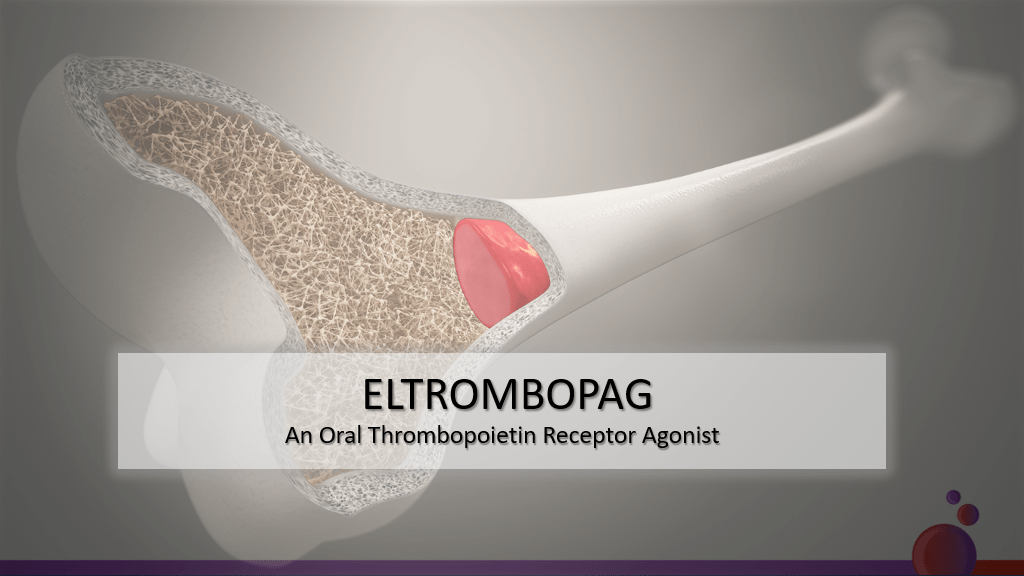
End-of-study Results from the ICON3 PINES Trial, A Phase 3, Randomized Trial of Eltrombopag vs. Standard First-line Treatment for Newly Diagnosed Immune Thrombocytopenia in Children
Presenter: Kristin Shimano
- The Pediatric ITP Newly diagnosed patients Eltrombopag vs Standard therapy (PINES) trial was a prospective, open-label, randomized, multi-center study evaluated eltrombopag vs standard first-line therapies in children aged 1 to <18 years with newly diagnosed primary immune thrombocytopenia, ≤3 months from diagnosis, and platelet count <30 × 109/L, randomized 2:1 to eltrombopag or standard therapy (prednisone, intravenous immunoglobulin, or anti-D globulin).
- At 12 wks, the primary endpoint was met with platelet response in 67% of eltrombopag patients vs 35% of standard therapy patients, leading to early trial closure.
- Secondary analyses showed that by one year, disease resolution occurred in 47% overall (45% eltrombopag vs 52% standard therapy, p=0.55).
- Sustained response off treatment was achieved in 56% of eltrombopag patients & 61% of standard therapy patients.
- Primary remission occurred in 45% of both arms.
- Adverse events were infrequent, with 14 events (4 serious) reported.
- The study findings support eltrombopag as an effective upfront option for pediatric patients with newly diagnosed ITP requiring pharmacologic treatment to obtain a more stable platelet count.
Reference
Shimano K et al, End-of-study Results from the ICON3 Pines Trial, A Phase 3, Randomized Trial of Eltrombopag vs. Standard First-line Treatment for Newly Diagnosed Immune Thrombocytopenia in Children. 67th Annual Meeting of American Society of Hematology, abs25-4324.
Long term Follow up of the Response Adapted FOLL12 Trial for Patients with Advanced Stage Follicular Lymphoma: A Study by the Fondazione Italiana linfomi (FIL).
Presenter: Stefano Luminari
- The FOLL12 study investigated whether standard rituximab maintenance (RM) improves long-term outcomes compared with a response-adapted approach in patients with high tumor burden follicular lymphoma (FL) treated with immunochemotherapy (ICT).
- 786 eligible adult patients with grade 1–3a FL, advanced stage, and high tumor burden were randomized to ICT with either rituximab plus cyclophosphamide, doxorubicin, vincristine, & prednisone (R‑CHOP) or rituximab plus bendamustine (R‑Benda), followed by either standard RM or a response-adapted strategy based on metabolic response using the Deauville scale & minimal residual disease (MRD) assessment by polymerase chain reaction (PCR).
- After a median follow-up of 7.9 yrs, median PFS was not reached; 5 & 10-yr PFS rates were 67% & 54%.
- Standard RM was superior to the response-adapted arm (HR 1.54).
- OS remained excellent, with 92% at 5 yrs & 82% at 10 yrs, without differences between arms.
- Late events included second malignancies (13.2% at 5 yrs), transformation to FL (4.2%), & infections.
- Standard RM confers durable PFS benefit without OS advantage, while initial ICT choice influences risks of late adverse events.
- This long term updated analysis of the FOLL12 study demonstrated that high tumor burden FL patients initially treated with ICT are offered excellent outcomes with more than half of the patients who do not relapse after first line therapy and with very high survival rates.
Reference
Luminari S et al, Long-term Follow up of the Response Adapted FOLL12 Trial for Patients with Advanced Stage Follicular Lymphoma: A Study by the Fondazione Italiana linfomi (FIL). 67th Annual Meeting of American Society of Hematology, abs25-7533.