




Migraine is a common, frequently incapacitating, headache disorder characterized by episodic attacks of moderate-to-severe headaches, and various combinations of neurological, gastrointestinal and/or autonomic nervous system dysfunction.1 The word migraine is derived from the Greek word, hemicrania. It is estimated that migraine affects 12% of the general population.2 Current figures suggest that it occurs in 18% of women and 6% of men and the numbers are increasing.2
Zolmitriptan (Zolmist) Monograph

25 Nov, 11


Zolmist (Zolmitriptan) Monograph
Migraine - Not Just a Headache
Migraine: A Complex Entity
The Burden of Migraine
Migraine not only imposes a substantial burden on the individual patient but also on his/her family, employer and society as a whole. Notably, migraine prevalence peaks between the ages of 25-55 years, which is the most productive employment period and also when family demands are the greatest. 1 The impact of migraine is reflected not only in its attack characteristics (pain severity, duration and associated symptoms) but also by its effect on psychological well-being, family dynamics and occupational performance. In a study, 71% of patients reported they could not think or concentrate at all when symptoms were severe, and 83% could not perform daily activities such as shopping or housework during a severe migraine attack.3 The World Health Organization (WHO) has labelled severe migraine, along with quadriplegia, psychosis and dementia, as the most disabling chronic condition.4
However, although migraine is a common and disabling disorder, it has historically been under-recognized and under-treated.5
The Two Components of Migraine Treatment
Migraine management involves two types of treatment: abortive (treatment of acute attacks) and prophylactic (prevention of headache by using medication and/or non-pharmacological measures to lessen precipitating factors such as stress or lifestyle).7
Physicians have options ranging from non-specific to specific therapies for aborting a migraine attack. Non-specific therapies include aspirin, paracetamol and non-steroidal anti-inflammatory drugs, i.e., NSAIDs (like ibuprofen, naproxen, etc.). Specific abortive drugs include ergotamine, dihydroergotamine mesylate and triptans.
Treatment of migraine should begin as early as possible during the episode to increase the chances of headache relief and minimize the total amount of medication needed. Treatment during prodrome or aura or within the first hour of a headache is significantly more effective than treatment during later stages. Treatment efficacy decreases after headache has been present for more than 2 hours.6
Prophylactic treatment is indicated when patients experience two or more attacks/month that produce disability lasting for 3 or more days/month or present with a contraindication to or failure or overuse of acute treatment.8 It is also considered when non-pharmacological attempts have failed, or in case of uncommon migraine, such as basilar or hemiplegic. A low dose of these medications should be used at first and then slowly up-titrated. Treatment may be administered for 3 months, reassessed before being continued for an additional 6 months or more and then gradually withdrawn after the frequency of migraine attacks has decreased. 7 Drugs used for prophylaxis include beta-blockers without intrinsic sympathomimetic activity, anticonvulsants (valproate and topiramate), antidepressants and calcium antagonists.
Barriers In Migraine Treatment: The Patient's Perspective
Around 40-60% of migraine patients do not seek help from a physician for various reasons, and among those who do, many do not continue the regular physician visit. In a British survey, it was seen that 17% of 9,770 migraineurs had not consulted a physician because they believed their condition would not be taken seriously, and 8% had not seen a physician because they believed existing migraine medications were ineffective.9
Migraine sufferers are often the most dissatisfied patients; <30% of sufferers report that they are very satisfied with their usual migraine treatment.5 Almost two-third of migraine patients experience unwanted side effects from anti-migraine treatment.5
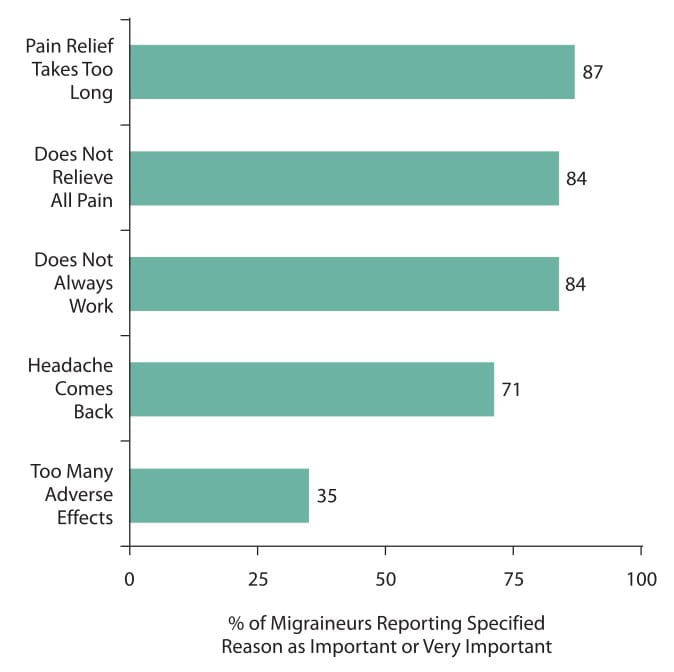
The most common reasons cited by migraine patients in answer to the question “ Why are they dissatisfied with the current migraine medication?” are as shown below (Figure 1).3
Figure 1: Most common reasons migraineurs are dissatisfied with the current migraine medication
Triptans: The Standard of Care in Abortive Therapy
The development of triptans in the 1980s was a major breakthrough in the acute treatment of migraine. These agents are now considered as first-line therapy for the treatment of moderate-severe attacks. Sumaptriptan, the first drug in this class, was soon followed by rizatriptan, zolmitriptan, naratriptan, almotriptan, eletriptan and frovatriptan internationally. In India, sumatriptan, rizatriptan and naratriptan are currently available. All these triptans are 5-HT receptor agonists with a similar mechanism of action.
Generally, the following factors should guide the selection of triptans:
- Triptans do not have a class effect, so lack of efficacy or side effects associated with one triptan is not predictive of a patient's response to other triptans
- Once a patient has been successfully treated with a particular triptan, recurrence of headache may indicate the need for a repeated dose, not treatment failure
Zolmitriptan, a second-generation triptan, was developed with the goal of creating a more lipophilic, centrally active and more rapidly absorbed drug than sumatriptan.9 The efficacy and tolerability of zolmitriptan has been assessed in a number of randomized, placebo-controlled, double-blind trials in a large number of adults with migraine.10
Zolmitriptan overcomes various shortcomings associated with sumatriptan, for e.g., it has higher oral bioavailability and a longer plasma half-life unlike sumatriptan.7 Unlike sumatriptan, which has poor central nervous system penetration and exerts its effect mainly by a peripheral action on the trigeminovascular system, zolmitriptan acts both centrally and peripherally to inhibit the trigeminovascular system.9 Comparative studies have shown that zolmitriptan 2.5 and 5 mg is superior to sumatriptan 25 and 50 mg.10 Another trial which evaluated patient preference showed that 2.5 mg zolmitriptan was preferred more than 50 mg sumatriptan for its rapid pain relief. Besides, duration of effect and fewer adverse effects were also the reasons in favour of zolmitriptan.9,11
Routes of Administration in Migraine Abortive Therapy
There are a range of routes of administration available for migraine management, including intravenous, subcutaneous and intramuscular injections; intranasal sprays; oral and orally disintegrating tablets, sublingual tablets and rectal suppositories.
The choice of drug and formulation to be used is influenced by efficacy (onset of action of the drug, efficacy in decreasing or eliminating the headache, consistency of response and prevention of recurrence), tolerability (convenience and ease of administration, personal ability to swallow tablets during an acute migraine attack, idiosyncratic and dose-related side effects) and economic factors.1
There are several disadvantages associated with oral, parenteral and rectal routes of drug administration, which are enumerated below:1,12
- Delay in reaching the appropriate plasma levels of the drugs: The plasma levels with oral triptans are generally seen after 20 to 30 minutes in healthy volunteers. This may be further prolonged during a migraine attack in patients with gastroparesis. This results in delayed relief. Drugs administered via the rectal route have a slower onset of action compared to the other routes of administration and their use is often culturally determined.
- Delay in treatment to avoid exacerbation of nausea: Nausea is seen in almost 90% of migraine patients while vomiting occurs in one-third. Patients may delay treatment with antimigraine drugs to avoid worsening of the nausea caused by taking oral drugs with fluids.
- Tolerability problems with parenteral formulations: Subcutaneous formulations are associated with injection site reactions, tightness sensations and pain.
Route to Faster Relief: The Nasal Formulation Advantage
Intranasal delivery of antimigraine drugs has several advantages over the oral, parenteral, and rectal routes of administration:10
- Onset of action of intranasal medications is more rapid than that of oral medications. This would translate into faster relief from the migraine attack.
- Intranasal drug delivery largely bypasses drug absorption in the gastrointestinal tract, which can be delayed during the course of a migraine headache and even between attacks.
- Patients who experience nausea as a component of their headache may prefer a non-oral route that reduces the risk of vomiting.
- Intranasal drug delivery is not associated with potential injection site reactions and pain. This may motivate patients to utilize medications earlier in the course of a migraine headache, which may contribute to better efficacy.
- Adverse events from intranasal headache medications are less frequent than those associated with injectable antimigraine drugs and tablets.
- Intranasal drug delivery is more convenient than rectal suppositories and injections.
Since nasal formulations offer distinct advantages over other conventional migraine formulations, zolmitriptan nasal spray was developed and approved by the US FDA in 2003.
Zolmitriptan Nasal Spray
Chemistry
Zolmitriptan is a selective 5-hydroxytryptamine 1B/1D (5-HT 1B/1D) receptor agonist. It is chemically designated as (S)-4-[[3-[2-(dimethylamino)ethyl]-1H-indol-5-yl]methyl]-2-oxazolidinone and has the following chemical structure (Figure 2):
Figure 2 : Chemical structure of zolmitriptan
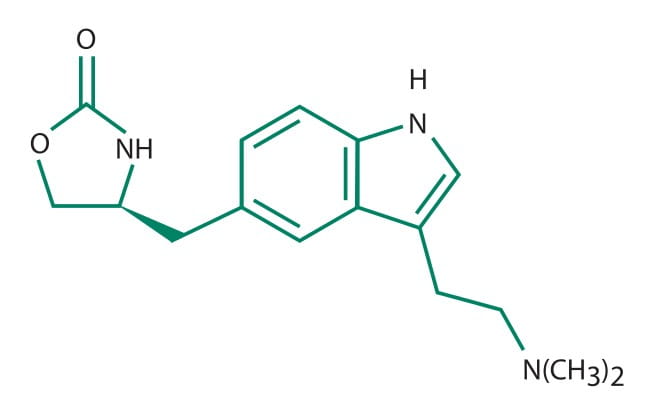
The empirical formula is C 16H 21N 3O 2, representing a molecular weight of 287.36.
Pharmacology
Pharmacodynamics
Zolmitriptan, a 5-HT 1B/1D receptor agonist, has ten-fold higher affinity for the 5-HT 1B receptor than the 5-HT 1D receptor.13
Mechanism of Action9,13
Zolmitriptan has been suggested to act on the trigeminovascular system at four different sites. Peripherally, it blocks neurogenic inflammation at the trigeminal vascular junction, causes vasoconstriction and inhibits neuronal depolarization at peripheral intracranial sites via 5-HT 1B agonism, and, centrally, inhibits the excitability of the cells in the trigeminal nucleus caudalis via 5-HT 1D agonism.
Haemodynamic Effects13
As with all triptans, a small but transient increase in blood pressure is observed with zolmitriptan. The overall effects are similar in normotensives and in controlled hypertensives; hence, no dose adjustment is necessary in migraine patients with controlled hypertension. Zolmitriptan does not have an effect on the heart rate.
Other Pharmacodynamic Effects13
It crosses the blood-brain barrier; however, no adverse effect on cognitive or psychomotor function has been reported.
Pharmacokinetics9,12, 14
Absorption and Distribution
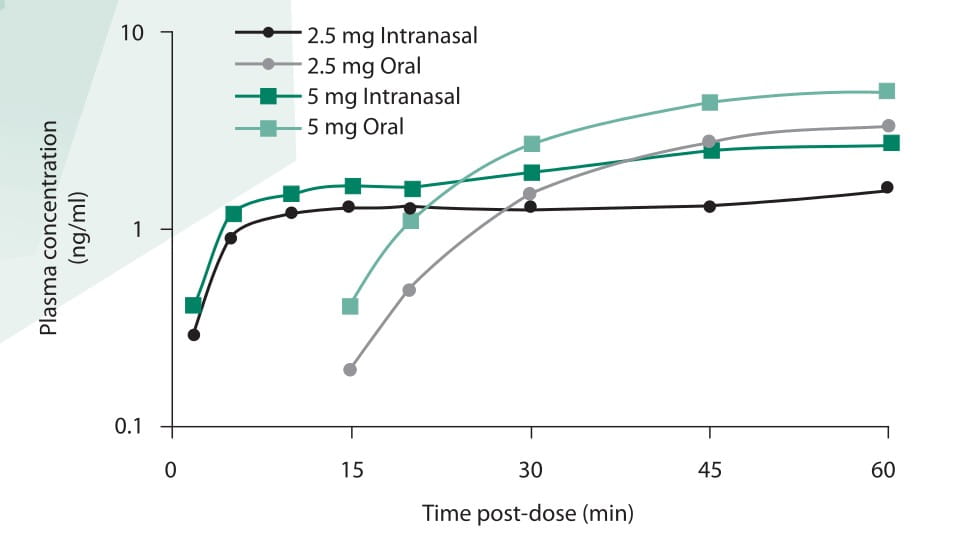
After administration via nasal spray, zolmitriptan is present in the plasma within two minutes, much faster as compared to the oral formulation where zolmitriptan is generally not detected until 15 to 20 minutes post-dose (Figure 3). The drug is detected within 5 minutes in the central nervous system (CNS). The early uptake of the drug through the nasopharynx accounts for its rapid absorption. Intranasal absorption has shown to contribute to approximately 70% of exposure to zolmitriptan during the first hour after administration. The T max is 3-4 hours with the nasal formulation.
Figure 3: Initial plasma concentration-time profile with zolmitriptan nasal spray and oral formulation
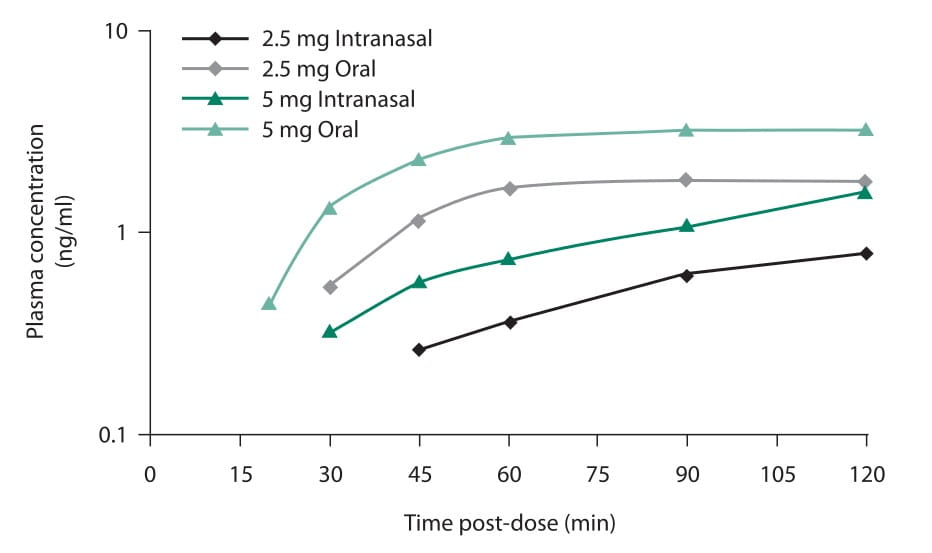
After intranasal administration of zolmitriptan, appearance of the active metabolite, 183C91, occurs 30- 60 minutes post-dose, i.e., around 30 minutes post appearance of the parent compound, suggesting that the first-pass metabolism is initially bypassed. This is in contrast to the oral administration of zolmitriptan where both the parent compound and the metabolite appear in the plasma around the same time (Figure 4). This delayed appearance of the metabolite may be of benefit in terms of delivery of the active drug moiety over the course of the migraine attack, providing a second tier of efficacy. Therapeutic plasma concentrations of zolmitriptan and its active metabolite, 183C91, are maintained for >12 hours after intranasal administration.
Figure 4: Initial plasma concentration-time profile for 183C91 post administration with zolmitriptan nasal spray and oral formulation
Metabolism and Elimination
The elimination half-life of zolmitriptan is ~3 hours.
A third of zolmitriptan is metabolized renally; two-third of clearance is non-renal.
During multiple-dose administration with two daily doses at a 2-hour interval for 3 days, there is no evidence of significant drug accumulation or prolongation of the plasma half-life for either zolmitriptan or 183C91. Zolmitriptan exhibits low pharmacokinetic variability, translating into consistency of effect between and within patients.
Drug-Drug Interactions
Clinically important interactions are unlikely with zolmitriptan nasal spray. No clinically significant interaction has been observed with commonly used migraine medications like metoclopramide, dihydroergotamine, fluoxetine, topiramate and propranolol.
Food Interaction
Zolmitriptan nasal spray can be used independent of meals.
Special Populations
The elimination of zolmitriptan is largely independent of renal function. The effect of zolmitriptan nasal spray in renal impairment has not been evaluated. On the basis of the studies done with the oral formulation, dose adjustment is not required in patients with renal impairment unless the patient is undergoing dialysis.
The efficacy of zolmitriptan nasal formulation has not been evaluated in patients with hepatic impairment. In severe hepatic impairment due to decreased metabolism, daily dose monitoring may be required. Generally, doses less than 2.5 mg should be used.
Clinical Efficacy
Zolmitriptan nasal spray has been evaluated both in short- and long-term treatment of migraineurs. The primary measure of efficacy in most of the trials was headache response (reduction in headache pain from severe or moderate at baseline to mild or none) at 2 hours after drug administration.
A number of secondary end-points were also evaluated. Headache response at 1 hour and 4 hours after drug administration were consistently used while the other less consistent secondary endpoints included:
- pain-free response (reduction in headache pain from moderate or severe at baseline to none),
- headache recurrence (a return to moderate or severe pain within 24 hours of drug administration, following an initial headache response within the first 2 hours of treatment),
- complete response (initial headache response without a recurrence of severe or moderate headache within 24 hours after drug administration),
- use of rescue medication such as paracetamol or aspirin (allowed after >2 hours),
- effect on daily living, improvement in migraine-associated symptoms (such as nausea, photophobia, and phonophobia) and
- meaningful migraine relief (subjective patient-assessed measure of the overall benefit of treatment)
Zolmitriptan Nasal Spray: Optimum Dose is 5 mg/Spray
A randomized, double-blind, double-dummy, placebo-controlled, parallel-group, multicentre, dose- ranging study compared the efficacy and tolerability of zolmitriptan nasal spray vs zolmitriptan tablets in the acute management of migraine.15 All patients (N=1547) had at least 1-year history of migraine with the migraine onset age being <50 years and an average of 1-6 migraine attacks/month in the 2 months preceding study commencement. Patients received either zolmitriptan nasal spray (5.0, 2.5, 1.0, or 0.5 mg) or zolmitriptan oral tablets (2.5 mg) or placebo. Follow-up was done within 2 weeks of treating the third migraine attack or 3 months after the study medication was administered.
A clear dose-dependent response was observed in the primary efficacy endpoint, i.e. headache response rate at 2 hours. Only 5 mg nasal spray produced significantly greater response rates vs both placebo and zolmitriptan 2.5 mg oral tablets (Figure 5).
Figure 5: Headache response rate in the study groups
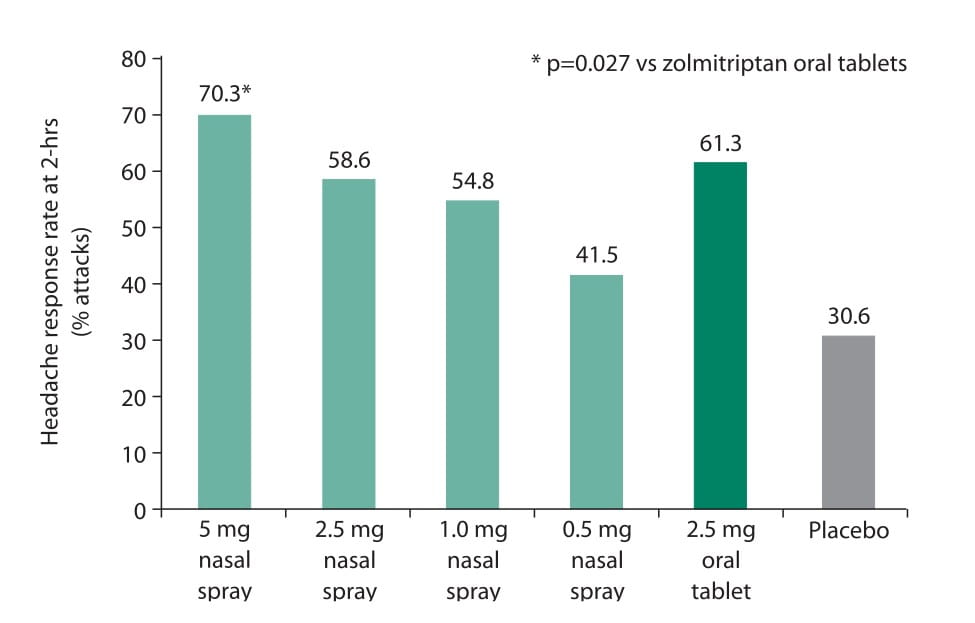
This superiority of zolmitriptan 5 mg nasal spray was observed as early as 15 minutes post- administration. Superiority in pain-free response rates with zolmitriptan nasal spray was demonstrated as early as 30 minutes after administration.
Thus, the study concluded that zolmitriptan 5 mg nasal spray was the optimal dose to be used for migraine management.
Fast and Better Headache Relief with Zolmitriptan Nasal Spray
The Real Life Intranasal Zolmitriptan Experience (REALIZE), an international, multicentre, evaluated the efficacy of zolmitriptan 5 mg nasal spray vs placebo in 912 migraine patients16 Patients were permitted to treat a single attack at any time after onset, with any baseline intensity. Patients could treat an attack with the study drug if at least 24 hours had passed since any previous attack, regardless of whether medication had been taken for that previous attack. Patients were provided with two single-dose nasal sprays, and were permitted to use a second dose of study medication if adequate pain relief had not been obtained 2 hours after the initial dose; however, patients could not use an ergot derivative or a 5-HT 1B/1D agonist for at least 24 hours after taking the drug. Patients were instructed to return to the clinic within 7 days of treating a migraine attack with the study medication. Diary cards were used to record the efficacy data relating to the attack treated with the study medications.
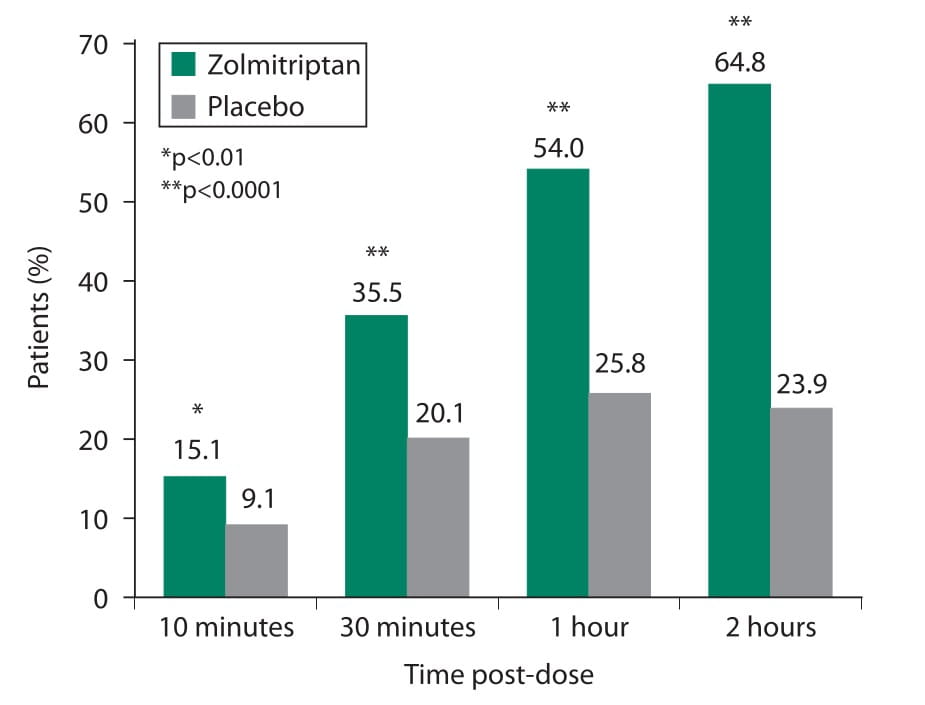
This study showed significantly greater total symptom relief rates with 5 mg zolmitriptan nasal spray vs placebo. This was observed as early as 30 minutes and was sustained even at 2 hours post-dose, when approximately one-third of zolmitriptan recipients experienced total symptom relief (Figure 6). Headache response rates were also significantly greater with zolmitriptan nasal spray, as early as 10 minutes and sustained till 2 hours post-dose (Figure 7).
Figure 6: Total symptom relief with 5 mg zolmitriptan nasal spray vs placebo
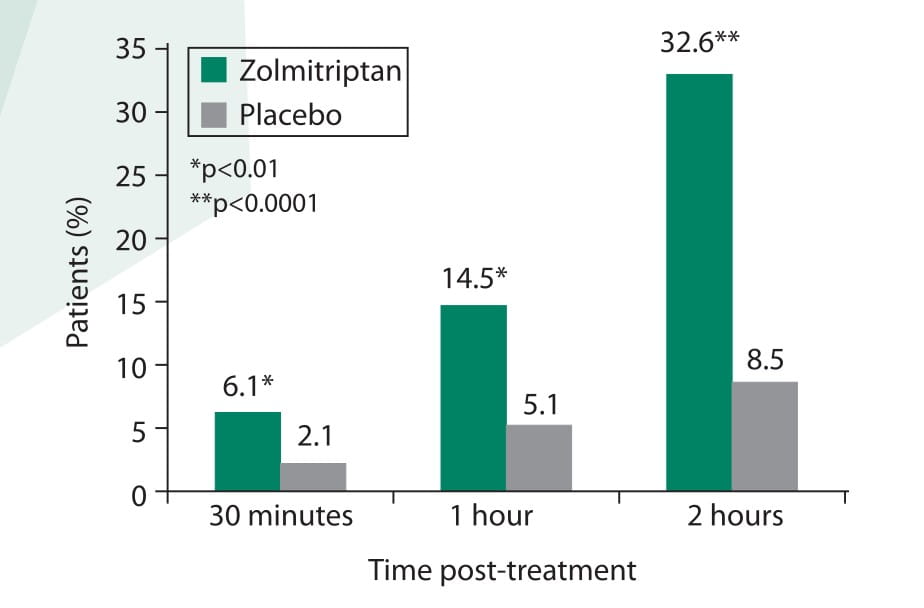
Figure 7: Headache response rate up to 2 hours post administration with zolmitriptan 5 mg nasal spray vs placebo
 /a>
/a> 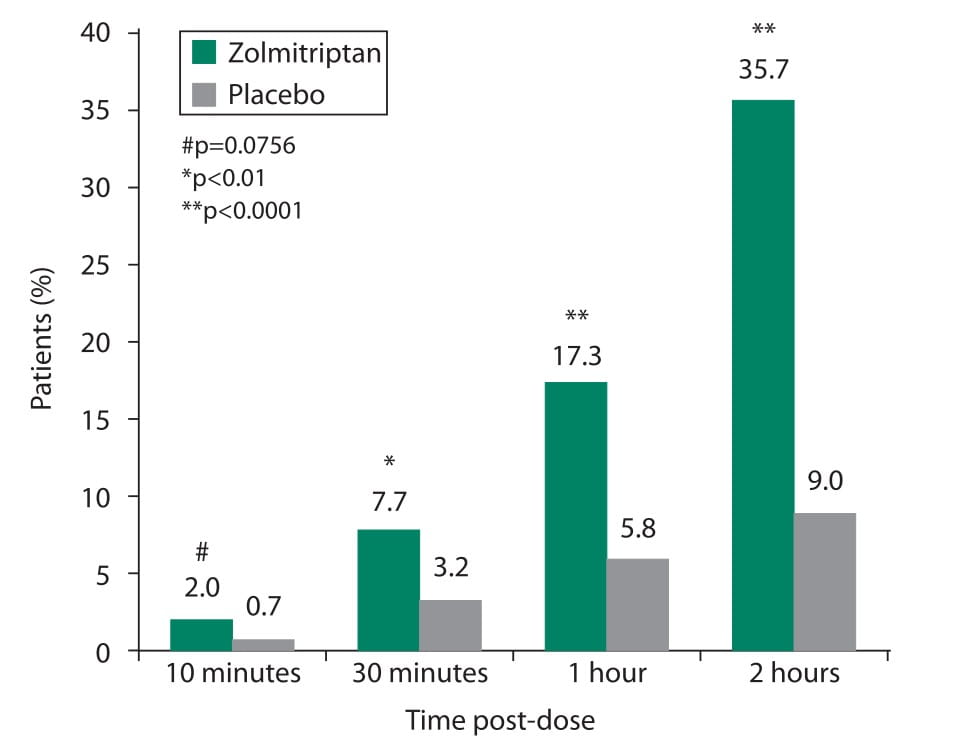
Fewer patients in the zolmitriptan group required further medication to treat the migraine attack (47.5% vs 80.3%). The lower rate of use of additional medication in the zolmitriptan group was seen both for the use of a second dose of study medication (33.4% vs 59.0%) and the use of escape medication (25.6% vs 62.5%).
Also, the proportion of patients able to perform normal activities at 2 hours post-treatment was significantly higher with zolmitriptan (46.7% vs 18.7%; p<0.001). In fact, among those with severe headache, significantly higher proportion of patients were able to perform normal activities with zolmitriptan at 30 minutes post-dose (32.5% vs 17.0%; p=0.0118). Importantly, all these benefits obtained with zolmitriptan were irrespective of the intensity of the migraine at baseline.
PMS with Zolmitriptan Nasal Spray Involving >1,800 Patients
A post marketing surveillance study conducted in 638 centres in Germany assessed the efficacy and tolerability of zolmitriptan 5 mg nasal spray in the acute treatment of migraine in the real-life setting.17 One thousand eight hundred and thirty eight patients and 1,400 physicians participated in the study. Zolmitriptan nasal spray was used to treat migraine of any severity; patients were followed for a maximum of 4 months. Data was recorded for one migraine attack per patient. Patients were encouraged to use a migraine diary to record important information about each attack. During the study period, patients recorded the time of start of the migraine attack, administration of zolmitriptan nasal spray, time to improvement in headache pain and time to complete resolution of headache pain. Headache severity immediately before and 2 hours post-dose was graded on an 11-point scale from 0 (no pain) to 10 (maximum pain). At the end of the study, patients assessed zolmitriptan nasal spray vs previous migraine treatment. Investigating physicians also rated the nasal spray compared with previous treatments.
Overall, 85% of patients reported improvement in headache pain within 30 minutes post-dose while one-quarter of patients reported improvement within 10 minutes. Over half (57.9%) of the patients were pain-free within 1 hour of using zolmitriptan nasal spray, with almost 1/5 th getting the benefits within 30 minutes. A high proportion of patients (61.7%) were able to pursue their normal daily activities within 1 hour of treatment. When assessed as compared to previous therapy, 72.9% rated zolmitriptan nasal spray as better than their previous medications. The most frequently cited reasons to continue zolmitriptan nasal spray were as follows: good effect on headache (91.2%), good effect on concomitant symptoms (73.3%), fast onset of effect (72.9%) and good tolerability (72.7%).
Overall, 89.4% physicians rated the efficacy of zolmitriptan nasal spray as excellent or good. In comparison with previously used migraine treatments, 80.1% assessed the efficacy of zolmitriptan nasal spray as much better or better. Tolerability was also rated as excellent or good by 91.6% of physicians.
Consistent 1-Year Efficacy With Zolmitriptan Nasal Spray in Treating 10,507 Migraine Attacks (In Around 800 Patients)
A randomized, double-blind, parallel-group, multicentre study evaluated the efficacy of zolmitriptan nasal spray in 783 migraine patients for a period of 1 year.18 The study was designed as a two-phase, crossover trial where the patients received one to two doses of 5, 2.5, 1.0 or 0.5 mg of intranasal zolmitriptan, depending on the patient response, in the first phase. Post-crossover, i.e., in the 2 nd phase, all patients received zolmitriptan 5 mg nasal spray.
The study showed that zolmitriptan 5 mg nasal spray produced a significant headache response as early as 15 minutes. Overall, the 2 hours headache response was observed in 73.7% of migraine attacks. These benefits were sustained throughout the year (Figure 9). Complete response (2 hours headache response, no recurrence and no use of further medication within 24 hours) was observed in 46.5% of attacks overall. Besides, pain-free rates (overall 53.8% of migraine attacks were pain-free at 2 hours post-dose) were also consistently high with zolmitriptan nasal spray (Figure 9).
Figure 9: Headache response and Pain-free rates with zolmitriptan 5 mg nasal spray
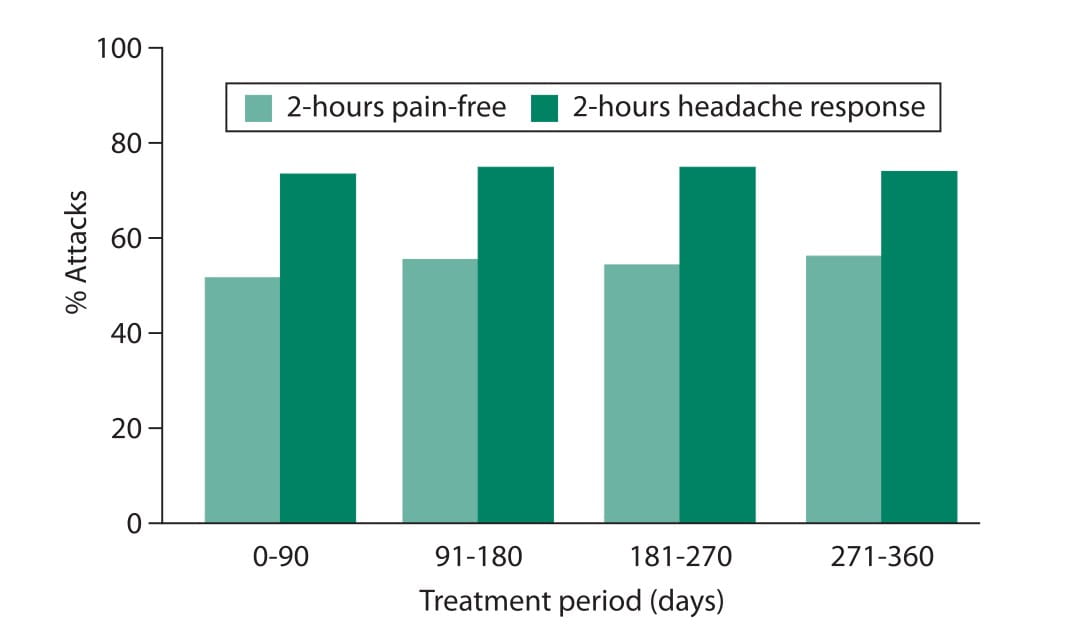
Response to other parameters was also observed in a significantly higher proportion of attacks with zolmitriptan 5 mg nasal spray (Table 1).
Table 1: Benefits with zolmitriptan 5 mg nasal spray over a period of 1 year
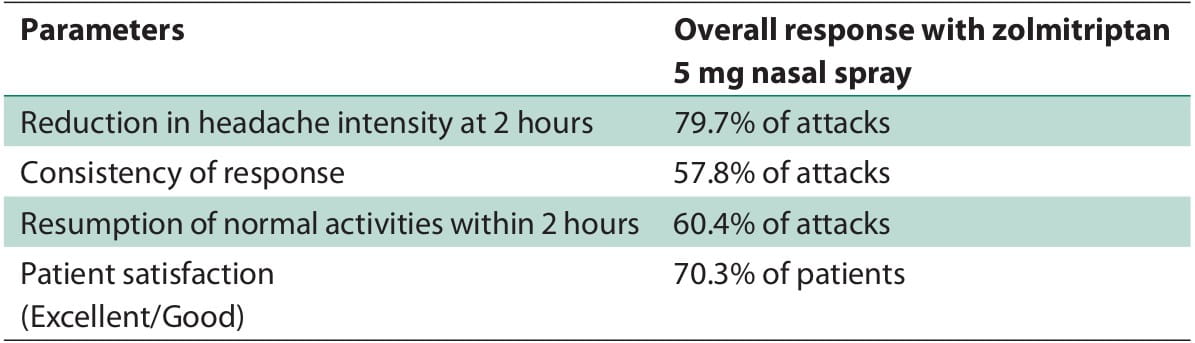
The trial thus demonstrates that zolmitriptan 5 mg nasal spray delivers consistent pain relief and enables migraine patients to quickly resume their normal activities. Treatment with zolmitriptan 5 mg nasal spray treated 10,507 migraine attacks over the study duration.
Greater Patient Satisfaction and Preference
Patient preference has an important effect on compliance with treatment and is, therefore, a key factor in the selection of a prescription medication for the treatment of migraine.19
The phase I of the REALIZE study evaluated the patients only for a single migraine attack. Those who completed phase I were followed for the next three migraine attacks in phase II of the trial with an objective to evaluate the patient dosing pattern, satisfaction and preference with zolmitriptan nasal spray.16 Around 851 migraine patients received either zolmitriptan or placebo nasal spray and were instructed to use diary cards to record efficacy data. Endpoints evaluated included time to second zolmitriptan dose or escape medication, patient satisfaction with zolmitriptan nasal spray, willingness to treat future migraine attacks with the nasal formulation and patient preference for zolmitriptan nasal spray over previous migraine therapies. Satisfaction variables were assessed at the end of the study by asking questions directly to the patient regarding overall satisfaction, and, specifically, satisfaction with speed of headache relief, ease of use, convenience and reliability of zolmitriptan nasal spray. Patients were asked to respond 'strongly agree', 'agree', 'disagree' or 'strongly disagree' to the following statements: a) 'I am willing to use zolmitriptan nasal spray for the treatment of future migraine attacks'; and, b) 'I prefer zolmitriptan nasal spray over the migraine therapies I used before the study'.
Over 76% patients reported being 'satisfied' or 'very satisfied' with zolmitriptan nasal spray for the following parameters: speed of relief (76%), ease of use (91.5%), convenience (88%) and reliability (76%) (Figure 10).
Figure 10: Parameters for patient satisfaction with zolmitriptan nasal spray
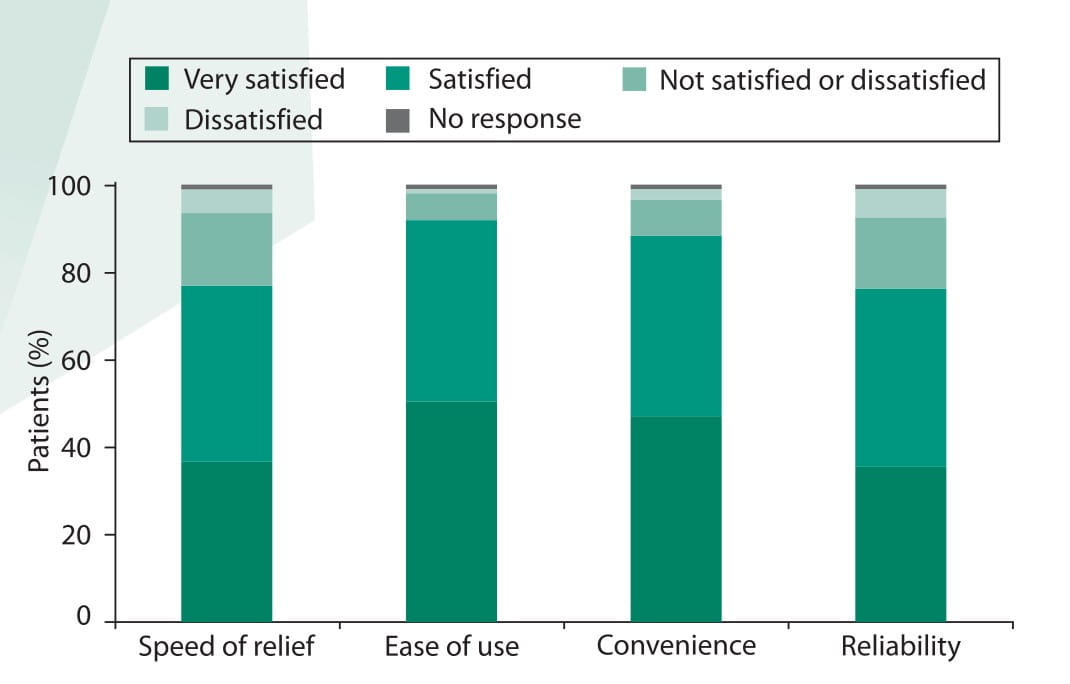
Around 60% of patients agreed or strongly agreed to take zolmitriptan nasal spray for treatment of future migraines while 58% agreed or strongly agreed to preferring zolmitriptan nasal spray over other migraine therapies used in the past.
More Preference for Zolmitriptan Nasal Spray than Sumatriptan
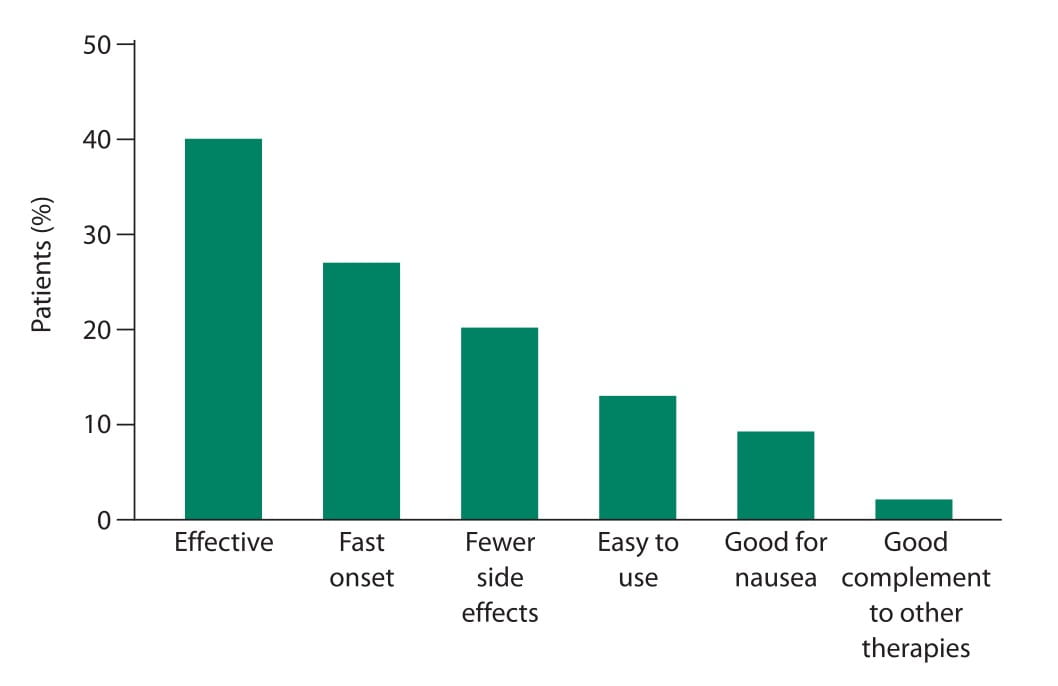
In an open-label study, 117 migraine patients using zolmitriptan 5 mg nasal spray were asked to respond to 15 questions related to medication preference and symptom alleviation, after they were switched from other prescription medications (triptans, ergots, NSAIDs and others) to zolmitriptan 5 mg nasal spray.20 The results of the survey showed that, overall, 70% of patients preferred to continue using fast-acting zolmitriptan nasal spray for the treatment of acute migraine. The most common reasons cited for continuing the therapy were effectiveness and faster onset of action (Figure 11). The proportion of patients who wished to continue using zolmitriptan nasal spray was similar, irrespective of the prior medication. Among the sub-group of patients who had previously received sumatriptan orally and subcutaneously, 62% and 69%, respectively, wanted to continue using zolmitriptan 5 mg nasal spray.
Figure 11: Reasons to continue with zolmitriptan nasal spray
Effective in Adolescents with Migraine
The prevalence rate of migraine in the age group of 12-15 years is around 15%.21 Migraine in adolescents is generally characterized by recurrent attacks of intense headaches that tend to be shorter in duration than in adult migraine. Management requires an individually tailored approach that has a balance between the agents used for acute treatment and daily preventive medicines.
A trial evaluated the efficacy and tolerability of zolmitriptan nasal spray vs placebo in the acute treatment of adolescent migraine (N = 171).21 Patients were randomized to either zolmitriptan 5 mg nasal spray or placebo. If the moderate or severe pain persisted 2 hours post-dose, a second dose of the study treatment agents or the escape medications (NSAIDs, anti-emetics, analgesics or sedatives) were used.
After 12 weeks of treatment with zolmitriptan, headache response rates were significantly higher vs placebo as early as 15 minutes; higher rates were observed till 2 hours post-dose (Figure 12).
Figure 12: Headache response rate (%) with zolmitriptan vs placebo
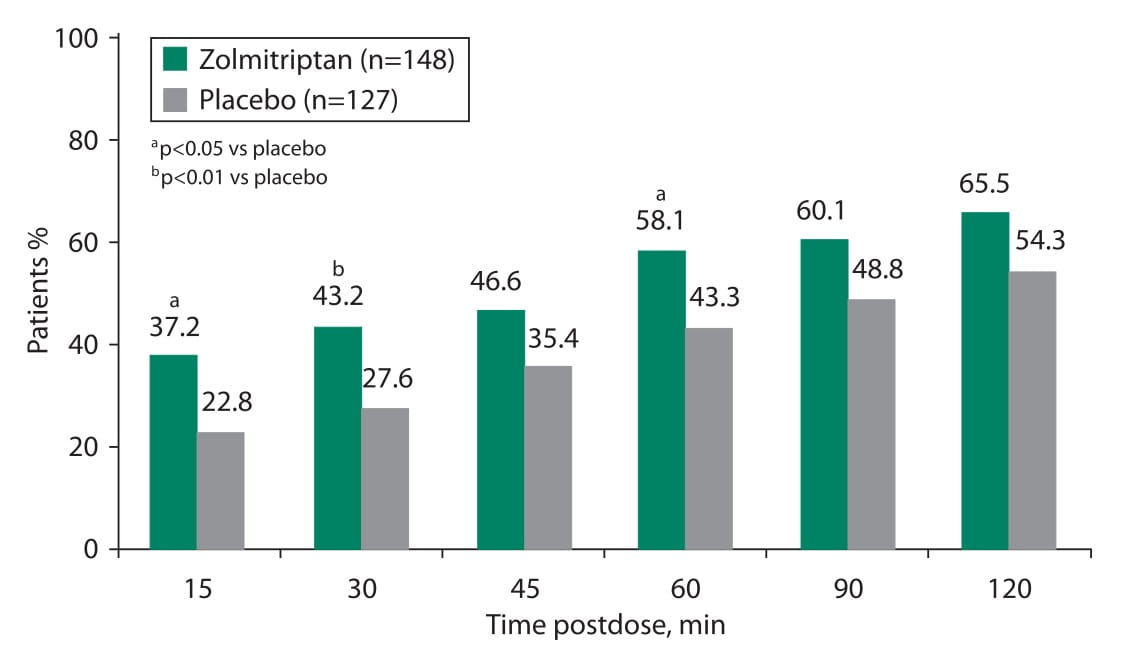
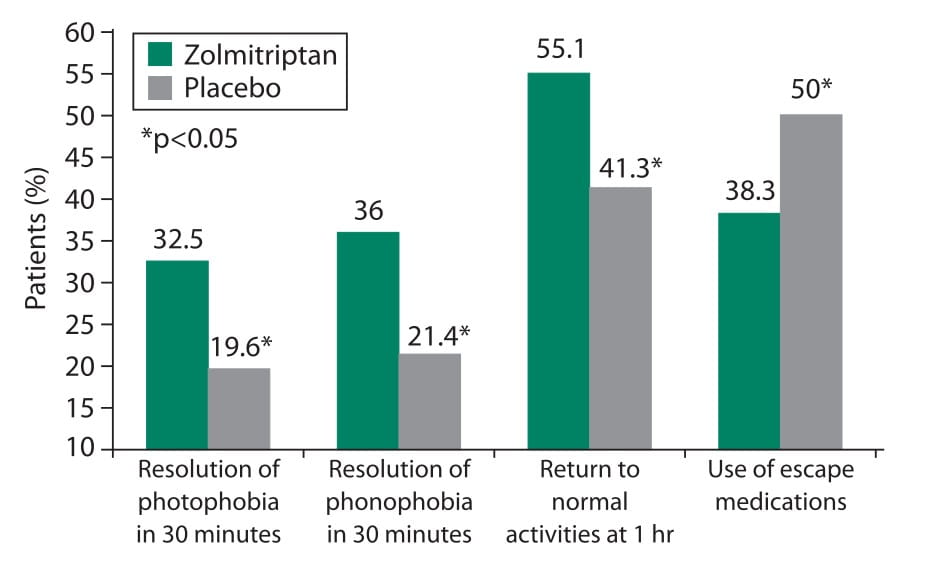
Pain-free response rates were also significantly higher with zolmitriptan nasal spray at 1 hour, 1.5 hours and 2 hours post-dose. The early onset of action with zolmitriptan nasal spray was evident in assessments of a 1-point decrease in pain intensity, with a significantly greater proportion of patients reporting a reduction in pain intensity at the early time points of 15 minutes (50% vs 35.4% with placebo; p < 0.05) and 30 minutes (54.1% vs 40.2% with placebo; p < 0.05) after the dose. Besides, other outcomes, as shown in Figure 13, also favoured the use of zolmitriptan nasal spray vs placebo.
Figure 13: Benefits with zolmitriptan nasal spray vs placebo
Thus, the study showed that zolmitriptan nasal spray can be effectively and safely used in the management of adolescent migraine.
Effective in Cluster Headache
Cluster headache, a trigeminal autonomic cephalgia, is characterized by short duration, side-locked, very severe headache attacks of usually excruciating unilateral pain which often peaks within 5 minutes and lasts for 15-180 minutes.22,23 Headache is usually associated with autonomic features like ipsilateral conjunctival injection, lacrimation and rhinorrhoea.22
It is relatively rare and 3-4 times more common in men than in women.22
Because of the short time to peak maximal intensity and the relatively short duration of the pain compared with migraine, patients need fast-acting medications that gain high plasma and cerebral concentrations quickly. Intranasal administration of short-term care medications may offer an alternative to injections for these patients.24
A study aimed to investigate the benefits with intranasal zolmitriptan in cluster headache.22 This double-blind, cross-over study randomized 92 patients to receive zolmitriptan nasal spray (5 mg or 10 mg) or a matching placebo. Patients were asked to treat 3 attacks, at least 24 hours apart, with the study drugs. They were instructed to grade the pain on a 5-point scale of none, mild, moderate, severe or very severe, and to apply one study dose in the contralateral nostril when the headache had at least reached a moderate severity.
Headache response rate was higher at all time points with zolmitriptan nasal spray vs placebo. Importantly, two-fold and three-fold significantly greater headache relief rates were observed at 30 minutes post-dose with zolmitriptan 5 mg and 10 mg, respectively, vs. placebo (Figure 14).
Figure 14: Headache relief rates at all time points with zolmitriptan 5 mg nasal spray, zolmitriptan 10 mg nasal spray and placebo
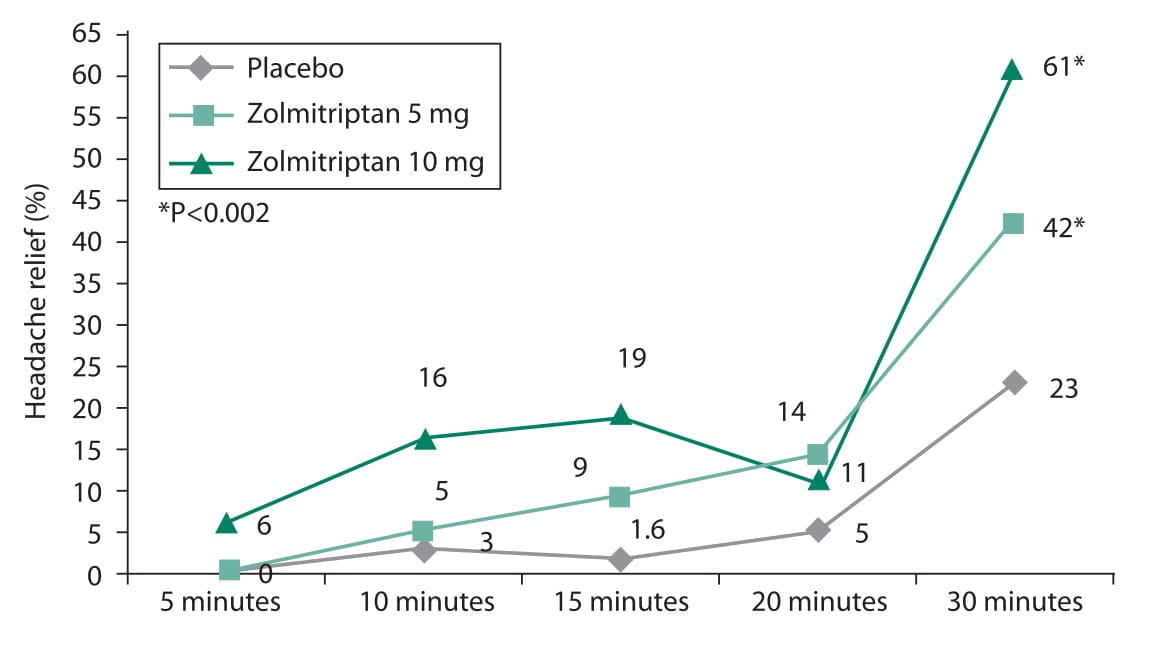
Similarly, pain-free rates at 30 minutes were significantly higher with both the doses of zolmitriptan nasal spray vs placebo. In attacks treated with zolmitriptan nasal spray, numerically, more patients reported relief from the associated symptoms (conjunctival injection/lacrimation, nasal congestion/rhinorrhoea, and ptosis/eyelid oedema) at 30 minutes. This data thus supports the use of zolmitriptan nasal spray as first-line abortive therapy for the treatment of cluster headache.
Another double-blind, multicentre three-period crossover study evaluated the efficacy of zolmitriptan 5 mg nasal spray and zolmitriptan 10 mg nasal spray vs placebo, in 52 cluster headache patients.23
At 30 minutes, significantly higher percent of patients reported headache relief with zolmitriptan nasal spray vs placebo (Figure 15).
Figure 15: Headache relief rate in patients receiving zolmitriptan 5 mg nasal spray, zolmitriptan 10 mg nasal spray and placebo
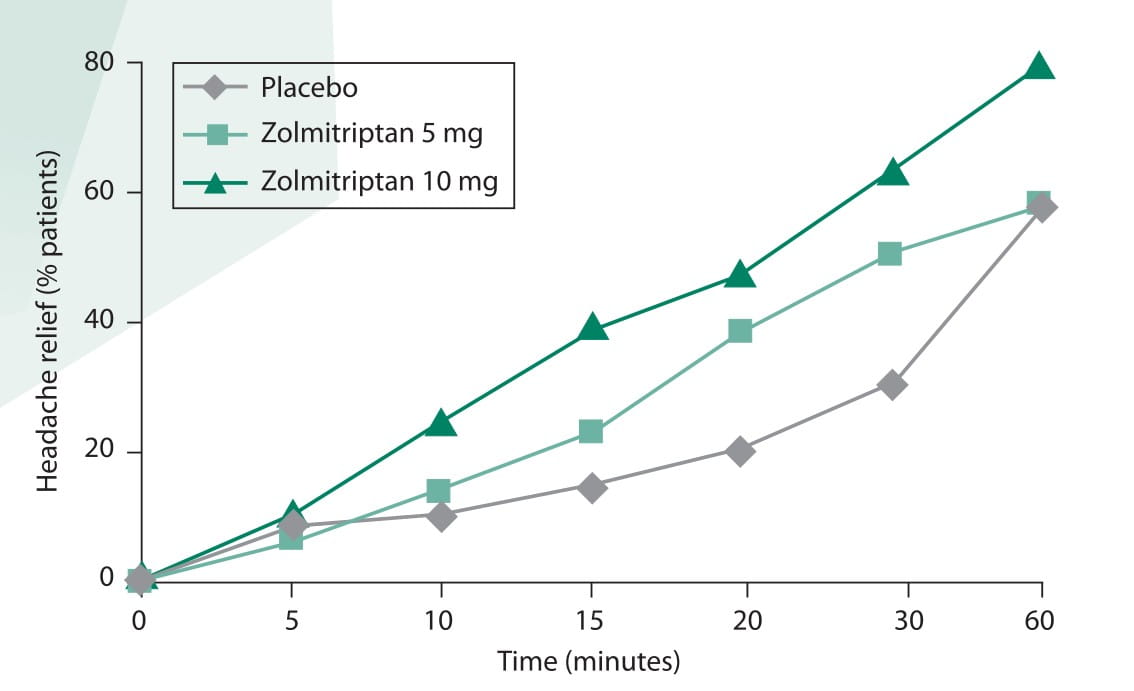
Also, a higher proportion of patients treated with zolmitriptan 10 mg nasal spray were pain-free at 15 minutes vs placebo.
Thus, zolmitriptan nasal spray is effective for the acute treatment of cluster headache.
The Indian Evidence
A study was performed to evaluate the efficacy of zolmitriptan nasal spray in 141 Indian patients with migraine.25 The study was conducted in seven clinical centres throughout India. The patients received either zolmitriptan nasal spray (ZOLMIST; Cipla Ltd.) or placebo within 15 minutes of migraine pain. Within 3 days of self-treating one migraine episode or 4 weeks after the initiation of the study, whichever was sooner, the subjects were called for the next visit and were crossed over to the other arm.
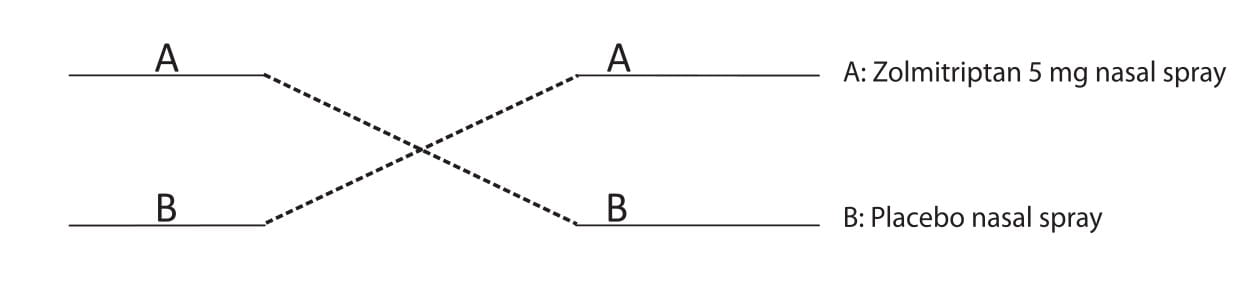
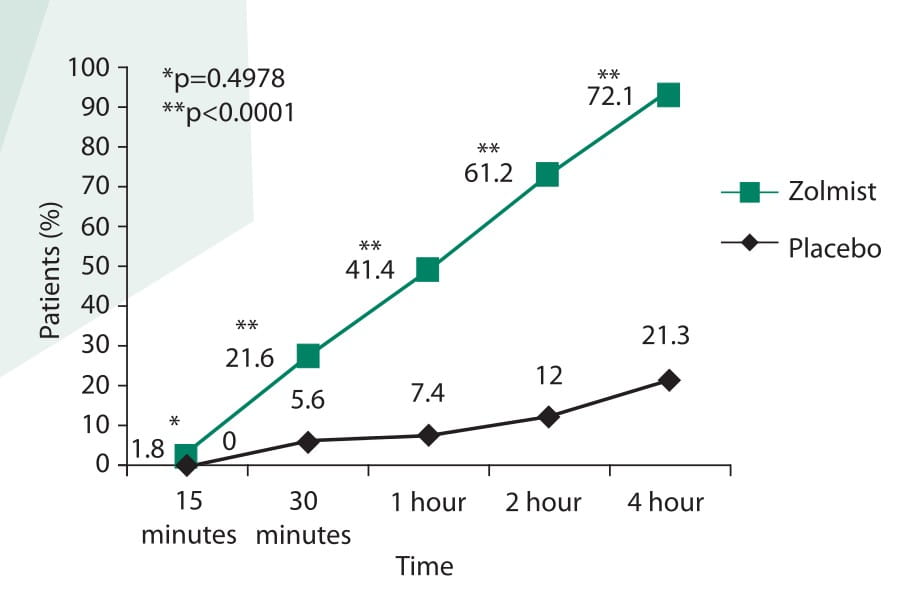
Significantly greater headache response rates at 2 hours were observed in ZOLMIST recipients (Figure 16); superiority was seen as early as 30 minutes and maintained up to 4 hours (Table 3).
Figure 16: Headache response at 2 hours
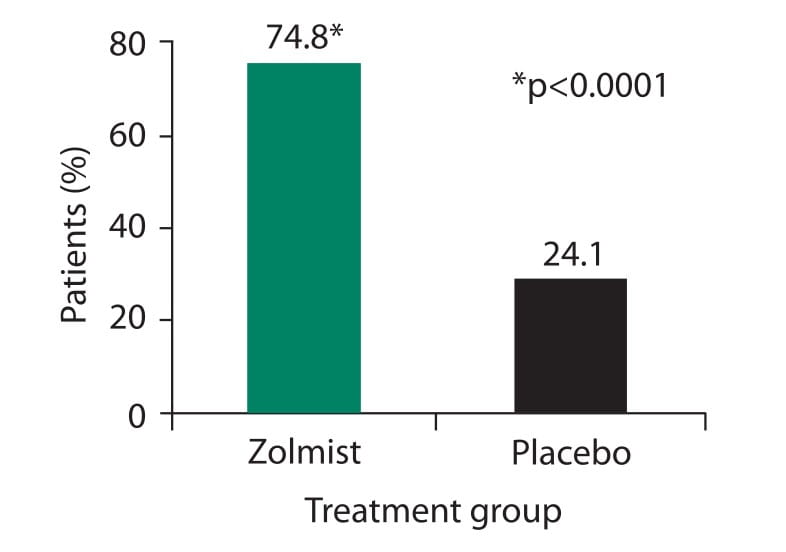
Table 3: Headache response with zolmitriptan 5 mg nasal spray<>/b

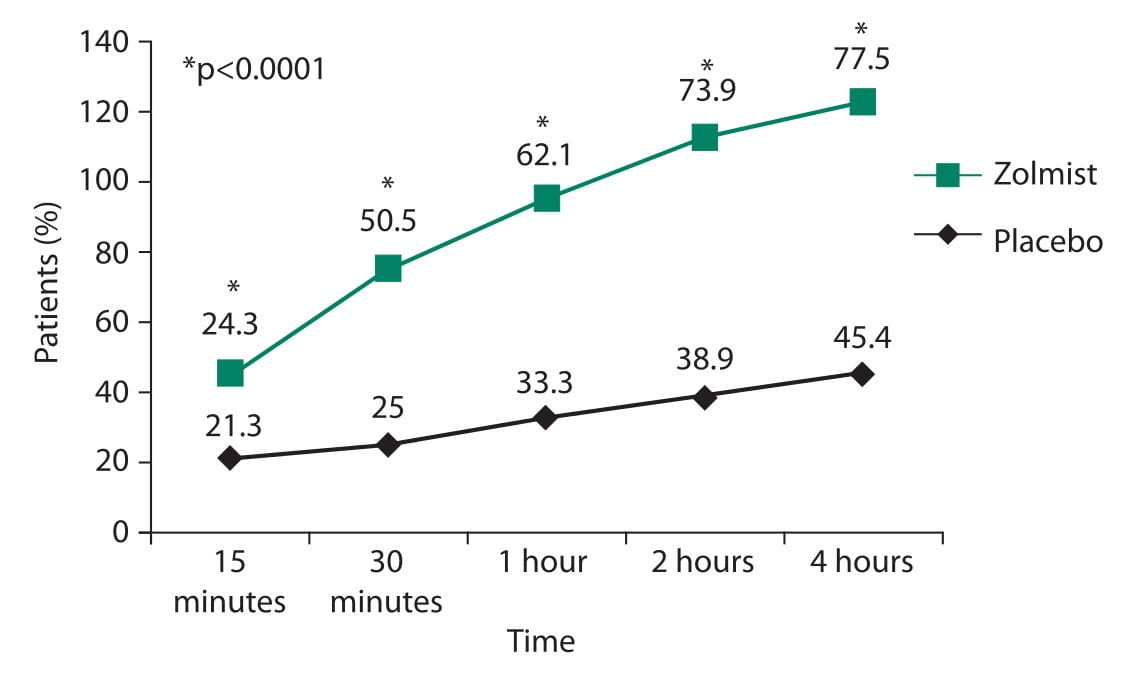
Time to onset of headache response was 61.3 minutes with ZOLMIST vs. 100 minutes for placebo, indicating faster onset of action with ZOLMIST. Significantly higher pain-free rates at all time points were also observed after administration of ZOLMIST (Figure 17).
Figure 17: Pain-free rates at different time points with ZOLMIST Nasal Spray vs placebo
Sustained headache response and pain-free rates at 24 hours were also significantly higher with ZOLMIST (Table 4).
Table 4: Sustained headache response and pain-free rates with ZOLMIST vs placebo

Significantly greater patients treated with ZOLMIST were able to return to normal activities (p<0.0001) (Figure 18).
Figure 18: Return to normal activity with ZOLMIST treatment
The resolution of non-headache symptoms (nausea, photophobia, phonophobia, vomiting) was significantly better with ZOLMIST. Use of rescue medications was lower in the ZOLMIST group (20.7%) vs placebo (51.85%). Further, 74% of patients were satisfied with ZOLMIST and 84% were willing to use it in the future.
Thus, the study confirmed the efficacy of ZOLMIST, zolmitriptan 5 mg nasal spray, in Indian patients with migraine.
Safety
Overall, zolmitriptan nasal spray is well tolerated in both adult and adolescent migraine patients. The most common adverse reactions reported include unusual taste, paraesthesia, hyperaesthesia, nausea, throat pain, somnolence, asthenia, disorder/discomfort of nasal cavity, dry mouth, dizziness and tightness of throat.7,9
The INDEX trial evaluated the long-term safety and tolerability of zolmitriptan nasal formulation in 538 migraine patients for a period of 1 year.26 Data from the patient diary was presented in 90-day interval. Adverse events reported with zolmitriptan nasal spray were of mild intensity and transient. The incidence declined over time, with the most commonly seen adverse events being unusual taste (19%) and paraesthesia (6.8%) (Figure 19).
Figure 19: Adverse events with zolmitriptan nasal spray
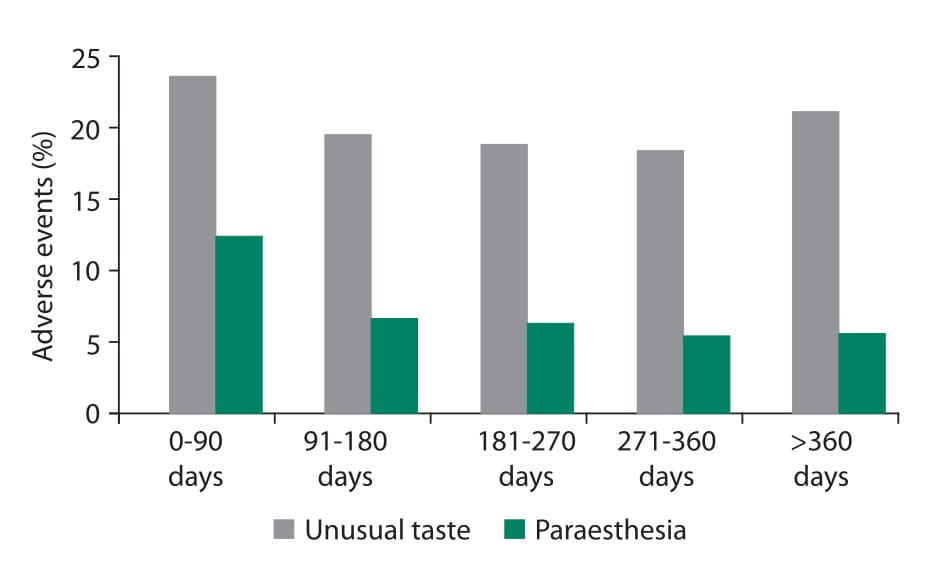
Discontinuation rate was as low as 4.5%. There was no increase in the adverse events in patients who took a second dose of zolmitriptan to treat recurrent or persistent migraine. The presence of rhinitis had no effect on the incidence or nature of adverse events.
Safety of Zolmist in Indian Patients
In the Indian trial, the incidence of adverse events were similar in the ZOLMIST and the placebo groups.25 Dizziness was the only drug-related adverse event which was reported in 0.9% of patients. No serious adverse event was reported. There were no clinically significant abnormalities in ECG, neither was there any significant difference in blood pressure between the two groups (Table 5). Thus, the study confirmed the safety of zolmitriptan nasal spray (ZOLMIST) in Indian patients.
Table 5: Blood pressure (BP) in the two study groups

Indications
- Acute treatment of migraine with or without aura in adults
ZOLMIST Nasal Spray should only be used where a clear diagnosis of migraine has been established.
ZOLMIST Nasal Spray is not intended for the prophylactic therapy of migraine or for use in the management of hemiplegic or basilar migraine.
Dosage and Administration
Administer one dose of ZOLMIST Nasal Spray 5 mg for the treatment of acute migraine. If the headache returns, the dose may be repeated after 2 hours. The maximum daily dose should not exceed 10 mg in any 24-hour period.
In controlled clinical trials, single doses of 5 mg of zolmitriptan nasal spray were administered into one nostril and were effective for the treatment of acute migraines in adults.
Individuals may vary in response to ZOLMIST Nasal Spray. The pharmacokinetics of a 5 mg nasal spray dose is similar to the 5 mg oral formulations. Doses lower than 5 mg can only be achieved through the use of an oral formulation. The choice of dose and route of administration should, therefore, be made on an individual basis. The effectiveness of a second dose has not been established in placebo- controlled trials.
The safety of treating an average of more than four headaches in a 30-day period has not been established.
Hepatic Impairment
Patients with moderate to severe hepatic impairment have decreased clearance of zolmitriptan and significant elevation in blood pressure was observed in some patients. Use of a lower dose of an alternate formulation along with blood pressure monitoring is recommended.
How to Use Zolmist
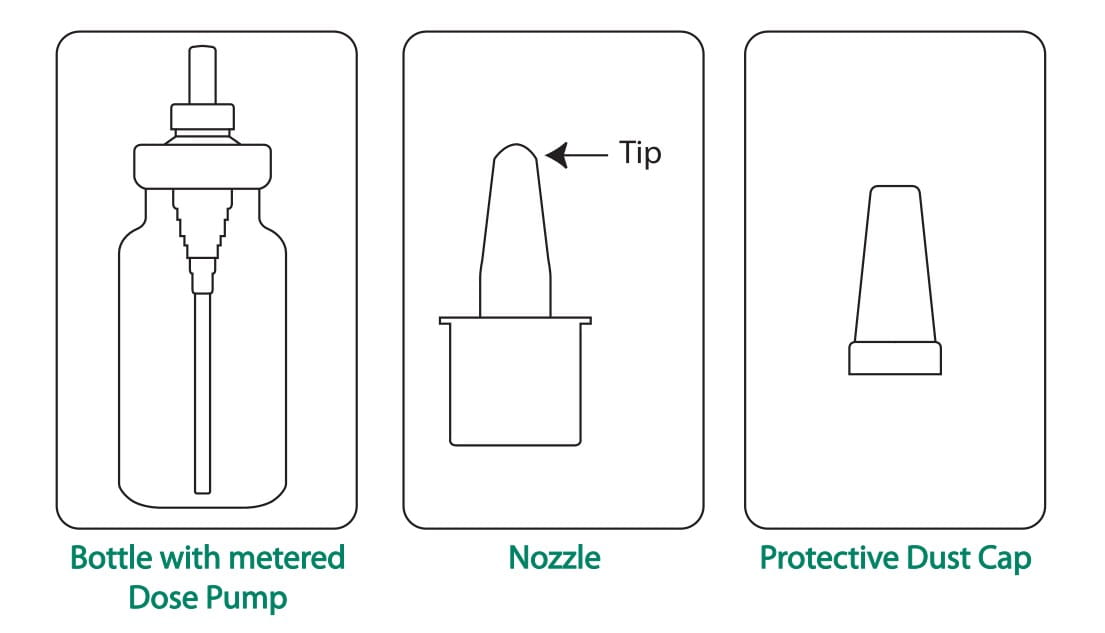
Step 1

Blow your nose gently.
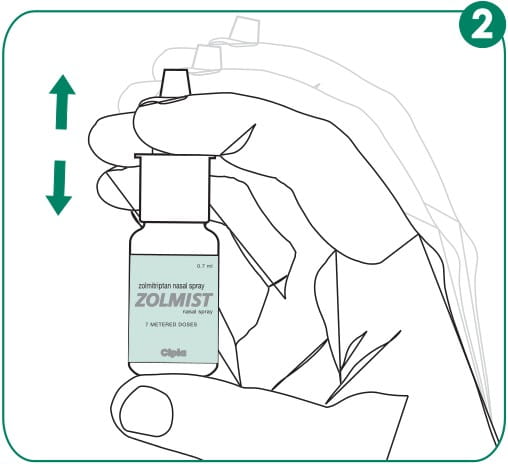
Step 2
Remove the protective cap. Hold the bottle as shown in the figure with your forefinger and middle finger on either side of the nozzle and your thumb underneath the bottle.
Step 3:Testing the Spray
It is necessary to prime ZOLMIST nasal spray pump the first time it is used, or when it has not been used for more than 48 hours. Priming helps make sure you always get the same full dose of medicine.
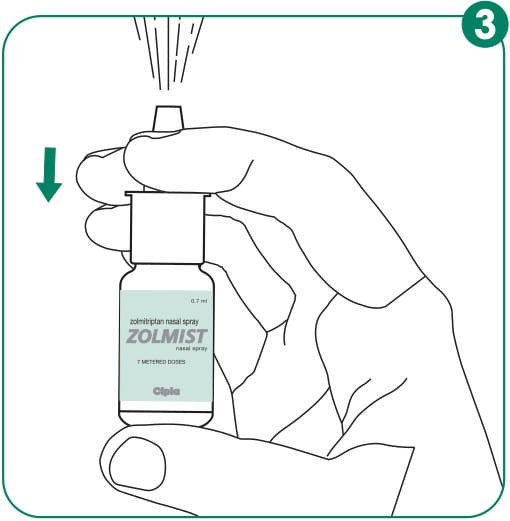
To prime the pump, hold the bottle as shown with your forefinger and middle finger on either side of the nozzle and your thumb underneath the bottle. With the nozzle pointing away from you, press downwards. When you prime the pump for the first time, press the nozzle downwards four times. The pump is now ready for use. The priming effect lasts for approximately 48 hours. If the pump is not used for 48 hours, it can be adequately re-primed by pressing the nozzle downwards once to produce a fine spray.
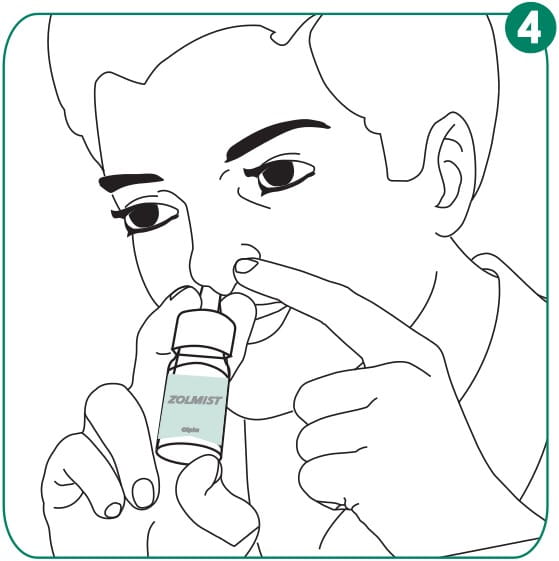
<bStep 4</b
Close one nostril and hold the bottle as shown in Step 2. Tilt your head forward slightly and keeping the bottle upright, carefully insert the tip of the nozzle in the other nostril.
Step 5
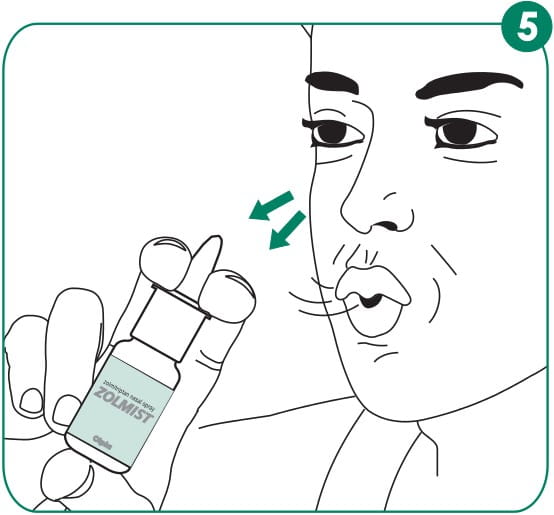
Start to breathe in through your nose and while breathing in, press down with your fingers once to release a spray.
Step 6
Breathe out through your mouth. If the headache returns, the dose may be repeated after 2 hours.
Step 7
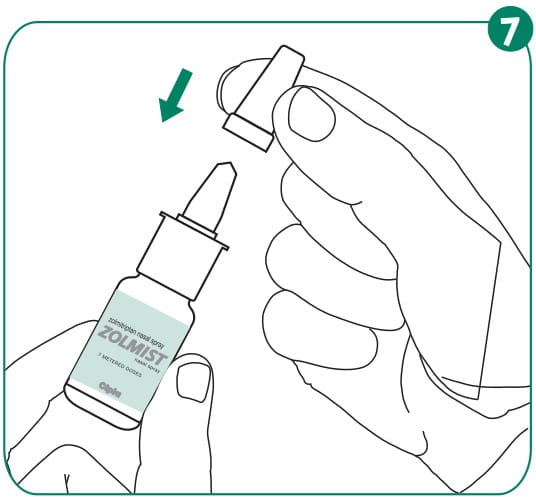
Wipe the nozzle with a clean handkerchief/ tissue and replace the protective dust cap.
Contraindications
- Patients with ischaemic heart disease (angina pectoris, history of myocardial infarction, or documented silent ischaemia)
- Patients who have symptoms or findings consistent with ischaemic heart disease, coronary artery vasospasm, including Prinzmetal's variant angina, or other significant underlying cardiovascular disease
- Patients with cerebrovascular syndromes, including (but not limited to) stroke of any type as well as transient ischaemic attacks
- Patients with hemiplegic or basilar migraine
- Patients with uncontrolled hypertension
- Patients who have used a 5-HT 1 agonist, or an ergotamine-containing or ergot-type medication like dihydroergotamine or methysergide in the last 24 hours
- Concurrent administration of monoamine oxidase (MAO)-A inhibitors, or use of zolmitriptan within 2 weeks of discontinuation of MAO-A inhibitor therapy
- Patients who are hypersensitive to zolmitriptan or any of its inactive ingredients.
Place In Therapy
Effective long-term management of migraine patients is challenging because of the complexity of the condition. Success of acute treatment is based on treating attacks rapidly and consistently to avoid headache recurrence, to restore the patient's ability to function and to minimize the use of backup and rescue medications.
Triptans are the best option for treating a migraine attack. However, earlier triptans have been associated with limitations. Also, an oral route of administration, though most frequently used, has certain drawbacks. The absorption of orally administered medications is compromised by gastric stasis, which is common with migraine attacks. Further, migraine-associated nausea may also make oral administration difficult and vomiting may render an oral dose ineffective.
Zolmitriptan 5 mg nasal spray offers rapid onset of action and is an effective agent for the treatment of mild-to-severe migraine. It has shown to be effective across a wide range of migraine subtypes, and its efficacy is maintained when used long-term. Studies have also known that zolmitriptan nasal spray is well tolerated. Hence, zolmitriptan nasal spray can be considered an ideal first-line option for migraine patients. It is also a good option for patients who do not respond to NSAIDs, ergotamine or other triptans.
Prescribing Information
Zolmitriptan Nasal Spray
ZOLMIST
Composition
Each ZOLMIST Nasal Spray dose unit supplies 5 mg of zolmitriptan.
Dosage Form
Nasal spray
Pharmacology
Pharmacodynamics
Zolmitriptan binds with high affinity to human recombinant 5-HT 1D and 5-HT 1B receptors. Zolmitriptan exhibits modest affinity for 5-HT 1A receptors, but has no significant affinity (as measured by radioligand binding assays) or pharmacological activity at 5-HT 2' 5-HT 3' 5-HT 4' alpha 1-, alpha 2- or beta 1-adrenergic; H 1, H 2, histaminic; muscarinic; dopamine 1 or dopamine 2 receptors. The N-desmethyl metabolite also has high affinity for 5-HT 1B/1D and modest affinity for 5-HT 1A receptors.
Current theories proposed to explain the etiology of migraine headache suggest that symptoms are due to local cranial vasodilatation and/or to the release of sensory neuropeptides (vasoactive intestinal peptide, substance P and calcitonin gene-related peptide) through nerve endings in the trigeminal system. The therapeutic activity of zolmitriptan for the treatment of migraine headache can most likely be attributed to the agonist effects at the 5-HT 1B/1D receptors on intracranial blood vessels (including the arterio-venous anastomoses) and sensory nerves of the trigeminal system, which result in cranial vessel constriction and inhibition of pro-inflammatory neuropeptide release.
Pharmacokinetics
Absorption
Zolmitriptan nasal spray is rapidly absorbed via the nasopharynx as detected in a Photon Emission Tomography (PET) study using 11C zolmitriptan. Zolmitriptan was detected in plasma by 5 minutes and peak plasma concentration generally was achieved by 3 hours. The time at which maximum plasma concentrations were observed was similar after single (1 day) or multiple (4 days) nasal dosing. Plasma concentrations of zolmitriptan are sustained for 4 to 6 hours after dosing. Zolmitriptan displays linear kinetics after multiple doses of 2.5 mg, 5 mg, or 10 mg. The mean relative bioavailability of the nasal spray formulation is 102%, compared to the oral tablet.
Zolmitriptan and its active metabolite display dose proportionality after single or multiple dosing. Dose-proportional increases in zolmitriptan and N-desmethyl metabolite C max and AUC were observed for the 2.5 and 5 mg nasal spray doses. The pharmacokinetics for the elimination of zolmitriptan and its active N-desmethyl metabolite are similar for all nasal spray dosages. The N-desmethyl metabolite is detected in plasma by 15 minutes and peak plasma concentration is generally achieved by 3 hours after administration.
Food has no significant effect on the bioavailability of zolmitriptan.
Distribution
Plasma protein binding of zolmitriptan is 25% over the concentration range of 10-1000 ng/mL. The mean (±SD) apparent volume of distribution for zolmitriptan nasal spray formulation is 8.4±3.3 L/kg.
Metabolism
Zolmitriptan is converted to an active N-desmethyl metabolite such that the metabolite concentrations are about two-thirds that of zolmitriptan. Because the 5HT 1B/1D potency of the metabolite is 2 to 6 times that of the parent compound, the metabolite may contribute a substantial portion of the overall effect after zolmitriptan administration.
Excretion
The mean elimination half-life for zolmitriptan and its active N-desmethyl metabolite following nasal spray administration are approximately 3 hours, which is similar to the half-life values seen after oral tablet administration. The half-life values were similar for zolmitriptan and the N-desmethyl metabolite after single (1 day) and multiple (4 days) nasal dosing.
Mean total plasma clearance is 25.9 mL/min/kg, of which one-sixth is renal clearance. The renal clearance is greater than the glomerular filtration rate suggesting renal tubular secretion.
Special Populations
Renal Impairment: The effect of renal impairment on the pharmacokinetics of zolmitriptan nasal spray has not been evaluated. After orally dosing zolmitriptan, renal clearance was reduced by 25% in patients with severe renal impairment (Clcr ≥5 ≤ 25 mL/min) compared to the normal group (Clcr ≥ 70 mL/min); no significant change in renal clearance was observed in the moderately renally impaired group (Clcr ≥ 26 ≤ 50 mL/min).
Hepatic Impairment: The effect of hepatic disease on the pharmacokinetics of zolmitriptan nasal spray has not been evaluated. In severely hepatically impaired patients, the mean C max, T max, and AUC 0-∞ of zolmitriptan dosed orally were increased 1.5, 2, and 3-fold, respectively, compared to normals. Seven out of 27 patients experienced 20 to 80 mm Hg elevations in systolic and/or diastolic blood pressure after a 10 mg dose. Because of the similarity in exposure, zolmitriptan tablets and nasal spray should have similar dosage adjustments and should be administered with caution in subjects with liver disease, generally using doses less than 2.5 mg. Doses lower than 5 mg can only be achieved through the use of an oral formulation.
Indications
- Acute treatment of migraine with or without aura in adults
ZOLMIST should only be used where a clear diagnosis of migraine has been established.
ZOLMIST is not intended for the prophylactic therapy of migraine or for use in the management of hemiplegic or basilar migraine. Safety and effectiveness of ZOLMIST have not been established for cluster headache, which is present in an older, predominantly male population.
Dosage and Administration
Administer one dose of ZOLMIST nasal spray 5 mg for the treatment of acute migraine. If the headache returns, the dose may be repeated after 2 hours. The maximum daily dose should not exceed 10 mg in any 24-hour period.
In controlled clinical trials, single doses of 5 mg of zolmitriptan nasal spray were administered into one nostril and were effective for the treatment of acute migraines in adults.
Individuals may vary in response to ZOLMIST nasal spray. The pharmacokinetics of a 5 mg nasal spray dose is similar to the 5 mg oral formulations. Doses lower than 5 mg can only be achieved through the use of an oral formulation. The choice of dose and route of administration should, therefore, be made on an individual basis. The effectiveness of a second dose has not been established in placebo- controlled trials.
The safety of treating an average of more than four headaches in a 30-day period has not been established.
Hepatic Impairment
Patients with moderate to severe hepatic impairment have decreased clearance of zolmitriptan, and significant elevation in blood pressure was observed in some patients. Use of a lower dose of an alternate formulation along with blood pressure monitoring is recommended.
Contraindications
- Patients with ischaemic heart disease (angina pectoris, history of myocardial infarction, or documented silent ischaemia)
- Patients who have symptoms or findings consistent with ischaemic heart disease, coronary artery vasospasm, including Prinzmetal's variant angina, or other significant underlying cardiovascular disease
- Patients with cerebrovascular syndromes, including (but not limited to) stroke of any type as well as transient ischaemic attacks
- Patients with hemiplegic or basilar migraine
- Patients with uncontrolled hypertension; zolmitriptan may increase blood pressure
- It should not be used within 24 hours of treatment with another 5-HT 1 agonist, or an ergotamine- containing or ergot-type medication like dihydroergotamine or methysergide
- Concurrent administration of MAO-A inhibitors, or use of zolmitriptan within 2 weeks of discontinuation of MAO-A inhibitor therapy
- Patients who are hypersensitive to zolmitriptan or any of its inactive ingredients
Warnings and Precautions
Drug Interactions
Ergot-containing drugs: Ergot-containing drugs have been reported to cause prolonged vasospastic reactions. Because there is a theoretical basis that these effects may be additive, use of ergotamine- containing or ergot-type medications (like dihydroergotamine or methysergide) and zolmitriptan within 24 hours of each other should be avoided.
MAO-A inhibitors: MAO-A inhibitors increase the systemic exposure of zolmitriptan. Therefore, the use of zolmitriptan in patients receiving MAO-A inhibitors is contraindicated.
5-HT1B/1D agonists (e.g., triptans): Concomitant use of other 5-HT 1B/1D agonists within 24 hours of ZOLMIST treatment is not recommended.
Cimetidine: Following administration of cimetidine, the half-life and AUC of zolmitriptan and its active metabolites were approximately doubled.
Selective Serotonin Reuptake Inhibitors (SSRI's)/ Serotonin Norepinephrine Reuptake Inhibitors and Serotonin Syndrome: Cases of life-threatening serotonin syndrome have been reported during the combined use of selective serotonin reuptake inhibitors (SSRI's) or serotonin norepinephrine reuptake inhibitors (SNRI's) and triptans.
Risk Of Myocardial Ischaemia and/or Infarction and other Adverse Cardiac Events
ZOLMIST should not be given to patients with documented ischaemic or vasospastic coronary artery disease (CAD). It is strongly recommended that zolmitriptan not be given to patients in whom unrecognized CAD is predicted by the presence of risk factors (e.g., hypertension, hypercholesterolaemia, smoker, obesity, diabetes, strong family history of CAD, female with surgical or physiological menopause, or male over 40 years of age) unless a cardiovascular evaluation provides satisfactory clinical evidence that the patient is reasonably free of CAD and ischaemic myocardial disease or other significant underlying cardiovascular disease. The sensitivity of cardiac diagnostic procedures to detect cardiovascular disease or predisposition to coronary artery vasospasm is modest, at best. If, during the cardiovascular evaluation, the patient's medical history, electrocardiographic or other investigations reveal findings indicative of, or consistent with, coronary artery vasospasm or myocardial ischaemia, zolmitriptan should not be administered. For patients with risk factors predictive of CAD, who are determined to have a satisfactory cardiovascular evaluation, it is strongly recommended that the administration of the first dose of zolmitriptan take place in the setting of a physician's office or similar medically staffed and equipped facility unless the patient has previously received zolmitriptan.
Because cardiac ischaemia can occur in the absence of clinical symptoms, consideration should be given to obtaining on the first occasion of use an electrocardiogram (ECG) during the interval immediately following ZOLMIST, in these patients with risk factors.
It is recommended that patients who are intermittent long-term users of ZOLMIST and who have, or acquire, risk factors predictive of CAD, as described above, undergo periodic interval cardiovascular evaluation as they continue to use ZOLMIST.
The systematic approach described above is intended to reduce the likelihood that patients with unrecognized cardiovascular disease will be inadvertently exposed to zolmitriptan.
Cardiac Events and Fatalities
Serious adverse cardiac events, including acute myocardial infarction, have been reported within a few hours following administration of zolmitriptan. Life-threatening disturbances of cardiac rhythm, and death, have been reported within a few hours following the administration of other 5-HT 1 agonists. Considering the extent of use of 5-HT 1 agonists in patients with migraine, the incidence of these events is extremely low.
Zolmitriptan can cause coronary vasospasm; at least one of these events occurred in a patient with no cardiac disease history and with documented absence of CAD. Because of the close proximity of the events to zolmitriptan use, a causal relationship cannot be excluded. In the cases where there has been known underlying CAD, the relationship is uncertain.
Patients with symptomatic Wolff-Parkinson-White syndrome or arrhythmias associated with other cardiac accessory conduction pathway disorders should not receive ZOLMIST.
Pre-Marketing Experience with Zolmitriptan
Among the more than 2,500 patients with migraine who participated in pre-marketing controlled clinical trials of zolmitriptan tablets, no deaths or serious cardiac events were reported. In a premarketing controlled clinical trial of zolmitriptan nasal spray, more than 1,300 patients participated and there were no deaths or serious cardiac events to report.
Postmarketing Experience with Zolmitriptan
Serious cardiovascular events have been reported in association with the use of zolmitriptan tablets, and, in very rare cases, these events have occurred in the absence of known cardiovascular disease. The uncontrolled nature of postmarketing surveillance, however, makes it impossible to determine definitively the proportion of the reported cases that were actually caused by zolmitriptan or to reliably assess causation in individual cases.
Cerebrovascular Events and Fatalities with 5-Ht 1 Agonists
Cerebral haemorrhage, subarachnoid haemorrhage, stroke and other cerebrovascular events have been reported in patients treated with 5-HT1 agonists and some have resulted in fatalities. In a number of cases, it appears possible that the cerebrovascular events were primary, with the agonist having been administered in the incorrect belief that the symptoms experienced were a consequence of migraine, when they were not. It should be noted that patients with migraine may be at increased risk of certain cerebrovascular events (e.g., stroke, haemorrhage, transient ischaemic attack).
Serotonin Syndrome
The development of a potentially life-threatening serotonin syndrome may occur with triptans, including zolmitriptan treatment, particularly during combined use with SSRIs or SNRIs. If concomitant treatment with ZOLMIST and an SSRI (e.g., fluoxetine, paroxetine, sertraline, fluvoxamine, citalopram, escitalopram) or SNRI (e.g., venlafaxine, duloxetine) is clinically warranted, careful observation of the patient is advised, particularly during treatment initiation and dose increases. Serotonin syndrome symptoms may include mental status changes (e.g., agitation, hallucinations, coma), autonomic instability (e.g., tachycardia, labile blood pressure, hyperthermia), neuromuscular aberrations (e.g., hyper-reflexia, incoordination) and/or gastrointestinal symptoms (e.g., nausea, vomiting, diarrhoea).
Other Vasospasm-Related Events
5-HT 1 agonists may cause vasospastic reactions other than coronary artery vasospasm, such as peripheral and gastrointestinal vascular ischaemia. As with other serotonin 5HT 1 agonists, very rare gastrointestinal ischaemic events, including ischaemic colitis and gastrointestinal infarction or necrosis, have been reported with zolmitriptan tablets; these may present as bloody diarrhoea or abdominal pain.
Increase in Blood Pressure
As with other 5-HT 1 agonists, significant elevations in systemic blood pressure have been reported on rare occasions with zolmitriptan tablet use, in patients with and without a history of hypertension; very rarely, these increases in blood pressure have been associated with significant clinical events. Zolmitriptan is contraindicated in patients with uncontrolled hypertension. In volunteers, an increase of 1 and 5 mm Hg in the systolic and diastolic blood pressure, respectively, was seen at 5 mg. In the headache trials, vital signs were measured only in the small inpatient study and no effect on blood pressure was seen. In a study of patients with moderate to severe liver disease, 7 of 27 experienced 20 to 80 mm Hg elevations in systolic and/or diastolic blood pressure after a dose of 10 mg of zolmitriptan.
An 18% increase in mean pulmonary artery pressure was seen following dosing with another 5-HT 1 agonist in a study evaluating subjects undergoing cardiac catheterization.
Binding to Melanin-Containing Tissues
When pigmented rats were given a single oral dose of 10 mg/kg of radiolabelled zolmitriptan, the radioactivity in the eye after 7 days, the latest time point examined, was still 75% of the value measured after 4 hours. This suggests that zolmitriptan and/or its metabolite may bind to the melanin of the eye. Because there could be accumulation in melanin-rich tissues over time, this raises the possibility that zolmitriptan could cause toxicity in these tissues after extended use. However, no effects on the retina related to treatment with zolmitriptan were noted in any of the toxicity studies, including those conducted by the nasal route. Although no systematic monitoring of ophthalmologic function was undertaken in clinical trials, and no specific recommendations for ophthalmologic monitoring are offered, prescribers should be aware of the possibility of long-term ophthalmologic effects.
General
As with other 5-HT 1B/1D agonists, sensations of tightness, pain, pressure, and heaviness have been reported after treatment with zolmitriptan tablets in the precordium, throat, neck, and jaw. Because zolmitriptan may cause coronary artery vasospasm, patients who experience signs or symptoms suggestive of angina following dosing should be evaluated for the presence of CAD or a predisposition to Prinzmetal's variant angina before receiving additional doses of medication, and should be monitored electrocardiographically if dosing is resumed and similar symptoms recur. Similarly, patients who experience other symptoms or signs suggestive of decreased arterial flow following the use of any 5-HT agonist, such as ischaemic bowel syndrome or Raynaud's syndrome, are candidates for further evaluation.
Zolmitriptan should also be administered with caution to patients with diseases that may alter the absorption, metabolism or excretion of drugs, such as impaired hepatic function.
For a given attack, if a patient does not respond to the first dose of zolmitriptan, the diagnosis of migraine headache should be reconsidered before administration of a second dose.
Renal Impairment
The effect of renal impairment on the pharmacokinetics of zolmitriptan nasal spray has not been evaluated. After orally dosing zolmitriptan, renal clearance was reduced by 25% in patients with severe renal impairment (Clcr ≥5 ≤25 mL/min) compared to the normal group (Clcr ≥70 mL/min); no significant change in renal clearance was observed in the moderately renally impaired group (Clcr ≥ 26 ≤50 mL/min).
Hepatic Impairment
The effect of hepatic disease on the pharmacokinetics of zolmitriptan nasal spray has not been evaluated. In severely hepatically impaired patients, the mean C max, T max, and AUC 0-∞ of zolmitriptan dosed orally were increased 1.5, 2, and 3-fold, respectively, compared to normals. Because of the similarity in exposure, zolmitriptan tablets and nasal spray should have similar dosage adjustments and should be administered with caution in subjects with liver disease, generally using doses less than 2.5 mg.
Pregnancy
Pregnancy Category C
There are no adequate and well controlled studies in pregnant women with zolmitriptan. Therefore ZOLMIST should be used during pregnancy only if the potential benefit justifies the potential risk to the foetus.
Lactation
It is not known whether zolmitriptan is excreted in human milk. Because many drugs are excreted in human milk, caution should be exercised when ZOLMIST is administered to a nursing woman.
Paediatric Use
Safety and effectiveness of zolmitriptan in paediatric patients have not been established; therefore, ZOLMIST is not recommended for use in patients under 18 years of age.
Postmarketing experience with other triptans includes a limited number of reports that describe paediatric patients who have experienced clinically serious adverse events that are similar in nature to those reported rarely in adults.
Geriatric Use
Although the pharmacokinetic disposition of the drug in the elderly is similar to that seen in younger adults, there is no information about the safety and effectiveness of zolmitriptan in this population because patients over the age of 65 years were excluded from the controlled clinical trials.
Undesirable Effects
The most common adverse reactions reported were unusual taste, paraesthesia, hyperaesthesia, nausea, throat pain, somnolence, asthenia, disorder/discomfort of the nasal cavity, dry mouth, dizziness and tightness of the throat.
Serious cardiac events, including myocardial infarction, have occurred following the use of zolmitriptan tablets. These events are extremely rare and most have been reported in patients with risk factors predictive of CAD. Events reported in association with drugs of this class, have included coronary artery vasospasm, transient myocardial ischaemia, myocardial infarction, ventricular tachycardia, and ventricular fibrillation.
Overdosage
There is no experience with clinical overdose. Volunteers receiving single 50 mg oral doses of zolmitriptan commonly experienced sedation.
The elimination half-life of zolmitriptan is 3 hours and, therefore, monitoring of patients after an overdose with zolmitriptan should continue for at least 15 hours or while symptoms or signs persist.
There is no specific antidote to zolmitriptan. In cases of severe intoxication, intensive care procedures are recommended, including establishing and maintaining a patent airway, ensuring adequate oxygenation and ventilation, and monitoring and support of the cardiovascular system.
It is unknown what effect hemodialysis or peritoneal dialysis has on the plasma concentrations of zolmitriptan.
Packaging Information
ZOLMIST Bottle containing 7 metered doses
References
1. Gladstone JP, Gawel M. Newer Formulations of the Triptans. Advances in Migraine Management. Drugs 2003;63:2285-305.
2. Arulmozhi DK, Veeranjaneyulu A, Bodhankar SL. Migraine: Current Concepts and Emerging Therapies. Vascul Pharmcol 2005;43:176-87.
3. Ryan RE. Patient treatment preference and the 5-HT 1B/1D agonists. Arch Intern Med 2001;161:2545-53.
4. Goadsby PJ, Lipton RB, Ferrari MD. Migraine - Current understanding & treatment. N Engl J Med 2002;346:257- 70.
5. Gendolla A. Part I: What do patients really need and want from migraine treatment? Curr Med Res Opin 2005;21:S3-S6.
6. Wilson JF, Laine C, Goldmann D. In the Clinic Migraine. Ann Intern Medicine 2007.
7. Gallagher RM, Cutrer FM. Migraine: Diagnosis, Management, and New Treatment Options. Am J Manag Care 2002;8:S58-S73.
8. Snow V, Weiss K, Wall EM, Mottur-Pilson C. Pharmacologic management of acute attacks of migraine and prevention of migraine headache. Ann Intern Med 2002;137:840-9.
9. Rapoport AM, Peterlin B lee. Clinical pharmacology of the serotonin-receptor agonist, zolmitriptan. Expert Opin Drug Metab Toxicol 2007;3(6):899-911.
10. Rapoprt A, Winner P. Nasal Delivery of Antimigraine Drugs: Clinical rationale and evidence base. Headache 2006;46(Suppl 4):S192-S201.
11. Goadsby PJ, Boes CJ. Zolmitriptan: Differences from Sumatriptan. Curr Med Res Opin 2001;17(Suppl 1):S46-S50.
12. Goadsby PJ, Yates R. Zolmitriptan intranasal: A review of the pharmacokinetics and clinical efficacy. Headache 2006;46:138-49.
13. Spencer CM, Gunasekara NS, Hills C. Zolmitriptan. A review of its use in migraine. Drugs 1999;56(2):347-74.
14. Dahlof Carl G N. Zolmitriptan nasal spray - An important new development in the acute treatment of migraine. Business Briefing: European Pharmacotherapy 2006.
15. Charlesworth BR, Dowson AJ, Purdy A, Becker WJ, Boes-Hansen S, Farkkila M. Speed of onset and efficacy of zolmitriptan nasal spray in the acute treatment of migraine. A randomized, double-blind, placebo-controlled, dose-ranging study versus zolmitriptan tablet. CNS Drugs 2003;17:653-67.
16. Gawel M, Aschoff J, Charlesworth BR. Zolmitriptan 5 mg Nasal Spray: Efficacy and Onset of Action in the Acute Treatment of Migraine - Results from Phase 1 of the REALIZE Study. Headache 2005;45:7-16.
17. Hans-Christoph D, Evers S. Effectiveness and satisfaction with zolmitriptan 5 mg nasal spray for treatment of migraine in real-life practice. Results of a postmarketing surveillance study. Clin Drug Invest 2007;27:59-66.
18. Dowson AJ, Charlesworth BR, Purdy A, Becker WJ, Boes-Hansen S, Farkkila M. Tolerability and Consistency of effect of zolmitriptan nasal spray in a long-term migraine treatment trial. CNS Drugs 2003;17:839-51.
19. Gawel M, Aschoff J, May A, Charlesworth BR. Treatment satisfaction with zolmitriptan nasal spray for migraine in a real life setting: Results from phase two of the REALIZE study. J Headache Pain 2005;6:405-11.
20. Boes-Hansen S. Effectiveness and patient satisfaction with zolmitriptan nasal spray 5 mg in clinical practice: A patient survey. Headache Care 2005;2:127-32.
21. Lewis DW, Winner P, Hershey AD, Wasiewski WW. Efficacy of zolmitriptan nasal spray in adolescent migraine. Pediatrics 2007;120:390-6.
22. Rapoport AM, Mathew NT, Silberstein SD, Dodick D, Tepper SJ, Sheftell FD, Bigal ME. Zolmitriptan nasal spray in the acute treatment of cluster headache. A double-blind study. Neurology 2007;69:821-6.
23. Cittadini E, May A, Straube A, Evers S, Bussone G, Goadsby PJ. Effectiveness of intranasal zolmitriptan in acute cluster headache. A randomized, placebo-controlled, double-blind crossover study. Arch Neurol 2006;63:1537- 42.
24. Rapoport AM, Bigal ME, Tepper SJ, Sheftell FD. Intranasal medications for the treatment of migraine and cluster headache. CNS Drugs 2004;18:671-85.
25. Cipla, Data on file, Feb 2009.
26. Dowson AJ, Charlesworth BR, Green J, Farkkila M, Boes-Hansen S, Gawel M. Zolmitriptan nasal spray exhibits good long-term safety and tolerability in migraine: Results of the INDEX trial. Headache 2005;45:17-24.
2. Arulmozhi DK, Veeranjaneyulu A, Bodhankar SL. Migraine: Current Concepts and Emerging Therapies. Vascul Pharmcol 2005;43:176-87.
3. Ryan RE. Patient treatment preference and the 5-HT 1B/1D agonists. Arch Intern Med 2001;161:2545-53.
4. Goadsby PJ, Lipton RB, Ferrari MD. Migraine - Current understanding & treatment. N Engl J Med 2002;346:257- 70.
5. Gendolla A. Part I: What do patients really need and want from migraine treatment? Curr Med Res Opin 2005;21:S3-S6.
6. Wilson JF, Laine C, Goldmann D. In the Clinic Migraine. Ann Intern Medicine 2007.
7. Gallagher RM, Cutrer FM. Migraine: Diagnosis, Management, and New Treatment Options. Am J Manag Care 2002;8:S58-S73.
8. Snow V, Weiss K, Wall EM, Mottur-Pilson C. Pharmacologic management of acute attacks of migraine and prevention of migraine headache. Ann Intern Med 2002;137:840-9.
9. Rapoport AM, Peterlin B lee. Clinical pharmacology of the serotonin-receptor agonist, zolmitriptan. Expert Opin Drug Metab Toxicol 2007;3(6):899-911.
10. Rapoprt A, Winner P. Nasal Delivery of Antimigraine Drugs: Clinical rationale and evidence base. Headache 2006;46(Suppl 4):S192-S201.
11. Goadsby PJ, Boes CJ. Zolmitriptan: Differences from Sumatriptan. Curr Med Res Opin 2001;17(Suppl 1):S46-S50.
12. Goadsby PJ, Yates R. Zolmitriptan intranasal: A review of the pharmacokinetics and clinical efficacy. Headache 2006;46:138-49.
13. Spencer CM, Gunasekara NS, Hills C. Zolmitriptan. A review of its use in migraine. Drugs 1999;56(2):347-74.
14. Dahlof Carl G N. Zolmitriptan nasal spray - An important new development in the acute treatment of migraine. Business Briefing: European Pharmacotherapy 2006.
15. Charlesworth BR, Dowson AJ, Purdy A, Becker WJ, Boes-Hansen S, Farkkila M. Speed of onset and efficacy of zolmitriptan nasal spray in the acute treatment of migraine. A randomized, double-blind, placebo-controlled, dose-ranging study versus zolmitriptan tablet. CNS Drugs 2003;17:653-67.
16. Gawel M, Aschoff J, Charlesworth BR. Zolmitriptan 5 mg Nasal Spray: Efficacy and Onset of Action in the Acute Treatment of Migraine - Results from Phase 1 of the REALIZE Study. Headache 2005;45:7-16.
17. Hans-Christoph D, Evers S. Effectiveness and satisfaction with zolmitriptan 5 mg nasal spray for treatment of migraine in real-life practice. Results of a postmarketing surveillance study. Clin Drug Invest 2007;27:59-66.
18. Dowson AJ, Charlesworth BR, Purdy A, Becker WJ, Boes-Hansen S, Farkkila M. Tolerability and Consistency of effect of zolmitriptan nasal spray in a long-term migraine treatment trial. CNS Drugs 2003;17:839-51.
19. Gawel M, Aschoff J, May A, Charlesworth BR. Treatment satisfaction with zolmitriptan nasal spray for migraine in a real life setting: Results from phase two of the REALIZE study. J Headache Pain 2005;6:405-11.
20. Boes-Hansen S. Effectiveness and patient satisfaction with zolmitriptan nasal spray 5 mg in clinical practice: A patient survey. Headache Care 2005;2:127-32.
21. Lewis DW, Winner P, Hershey AD, Wasiewski WW. Efficacy of zolmitriptan nasal spray in adolescent migraine. Pediatrics 2007;120:390-6.
22. Rapoport AM, Mathew NT, Silberstein SD, Dodick D, Tepper SJ, Sheftell FD, Bigal ME. Zolmitriptan nasal spray in the acute treatment of cluster headache. A double-blind study. Neurology 2007;69:821-6.
23. Cittadini E, May A, Straube A, Evers S, Bussone G, Goadsby PJ. Effectiveness of intranasal zolmitriptan in acute cluster headache. A randomized, placebo-controlled, double-blind crossover study. Arch Neurol 2006;63:1537- 42.
24. Rapoport AM, Bigal ME, Tepper SJ, Sheftell FD. Intranasal medications for the treatment of migraine and cluster headache. CNS Drugs 2004;18:671-85.
25. Cipla, Data on file, Feb 2009.
26. Dowson AJ, Charlesworth BR, Green J, Farkkila M, Boes-Hansen S, Gawel M. Zolmitriptan nasal spray exhibits good long-term safety and tolerability in migraine: Results of the INDEX trial. Headache 2005;45:17-24.

More From Area Of Interest
You may also like

13 May, 26

17 Apr, 26
Our Research
23 Feb, 26

23 Feb, 26

11 Feb, 26

11 Feb, 26

11 Feb, 26
Latest Items
Journal Scans
24 Aug, 26

24 Aug, 26

21 Aug, 26
Journal Scans
18 Aug, 26

18 Aug, 26


