Vanlid 250
Vancomycin Hydrochloride 250 mg Inj.
Gram-positive organisms are the most common cause of bacterial infections in infants, children and adolescents, accounting for 80% of community-acquired and 60% of hospital-acquired bacterial infections.1,2 In India, 21.4% of Gram-positive bacteria are responsible for nosocomial infections in the neonatal intensive care unit (NICU). 3
Staphylococcus aureus, an imperative pathogen in the pediatric age group, causes illnesses that range from minor soft tissue lesions to life-threatening deep-seated or systemic infections.4 Epidemiological surveillance studies have shown an increase of Gram-positive pathogens in different types of infectious diseases, such as primary bloodstream infection and/or catheter-related bacteraemia, in which coagulase-negative staphylococci (CoNS) or Staphylococcus epidermidis predominate; mechanical ventilation-associated pneumonia, in which Staphylococcus aureus together with Pseudomonas aeruginosa are the most frequently identified pathogens; community-acquired severe pneumonia or purulent meningitis, in which Streptococcus pneumoniae is the most usual causative microorganism; and urinary-catheter related infections in which the Enterococcus spp. become the second-most frequent aetioiogical organism.5 About three-fourth of the neonatal sepsis cases are caused by Gram-positive organisms. 6
Antimicrobial resistance rates among key Gram-positive pathogens continue to grow at an alarming rate in distinct geographic regions worldwide.1 Lethal and contagious, the antibiotic-resistant organisms have been termed superbugs. Staphylococci, Enterococci, and Pneumococci have proven the ability to develop superbug status. 7
Methicillin-resistant Staphylococcus aureus (MRSA), probably the best-known superbug, is resistant to multiple antibiotics and is a major cause of nosocomial infections in hospitalized children.4,7 A recent study in India reported that 12.3% of Staphylococcus aureus cases were responsible for nosocomial infections in an NICU, of which 70.4% were methicillin-resistant.3
A new type of staphylococcus, usually termed community-acquired MRSA (CA-MRSA), which is resistant to fewer antibiotics, has also emerged in the paediatric age group.4 An Indian study has shown an alarming rate of CA-MRSA nasal carnage of 3.16% in children aged 5 to 15 years without pnor exposure to healthcare settings. 8
The number of multiple-drug-resistant strains, including methicillin-resistant CoNS (MRCoNS), has increased, and the majority of CoNS causing neonatal septicaemia are resistant to the routine antibiotics used to treat newborn infants. Amita Jain et al reported that in neonates with late onset septecaemia, 66% of CoNS isolates were resistant to methicillin and all of these (100%) MRCoNS were resistant to penicillin.9
Growing bacterial resistance in Gram-positive pathogens means that what were once effective and inexpensive treatments for infections caused by these bacteria are now being seriously questioned, including penicillin and macrolides for use against pneumococcal infections, and ' in hospitals ' oxacillin and cloxacillin for use against staphylococcal infections.
Vancomycin Hydrochloride Powder for Intravenous (I.V.) Injection
Vanlid 250
Each 5 mL vial contains:
Vancomycin hydrochloride USP
equivalent to Vancomycin................... 250 mg
(As a sterile freeze-dried powder for reconstitution with 5 mL of sterile Water for Injection IP)
Powder for reconstitution and I.V. use only
Vancomycin is a tricyclic glycopeptide antibiotic derived from Amycolatopasis orientals (formerly Nocardia orientalis).
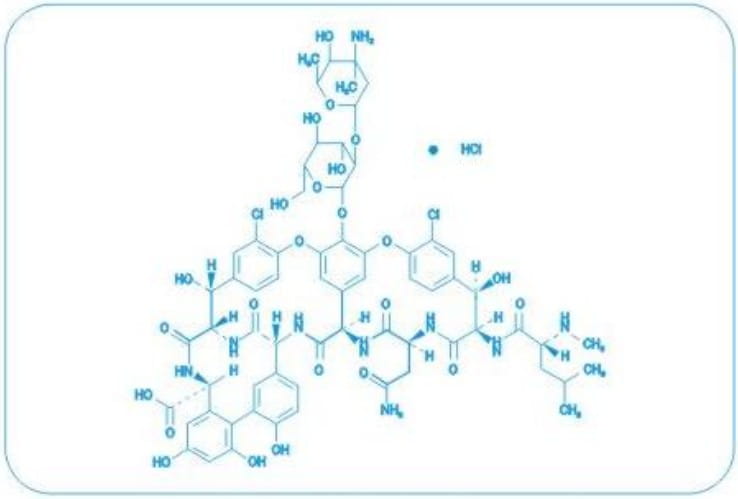
The molecular formula is C66H75CI2N9O24 •HCI and the molecular weight is 1,485.71.
Vancomycin hydrochloride has the following chemical designation: (Sa)-(3S,6R,7R,22R,23S,26S,36R,38aR)-44-[[2-0-(3-amino-2,3,6-trideoxy-3-C-methyl-(-L-lyxo-hexopyranosyl)-(-Dglucopyranosyl] oxy]-3-(carbamoylmethyl)-10,19-dichloro-2,3,4,5,6,7,23,24,25,26,36,37,38.38a-tetradecahydro-7,22,28,30,32-pentahydroxy-6-[(2R)-4-methyl-2-(methylammo)] valeramido]-2,5,24,38,39-pentaoxo-22H-8,11:18,21-dietheno-23,36-(iminomethano)-13,16:31,35-dimetheno-1H, 16H-[1,6,9]oxadiazacyclohexadecino[4,5-m][10,2,16] benzoxadiazacyclotetracosine-26-carboxylic acid, monohydrochloride. Its structural formula is shown in Figure 1:
Pharmacodynamics
The bactericidal action of vancomycin results primarily from inhibition of the cell wall biosynthesis. In addition, vancomycin alters the bacterial cell membrane permeability and RNA synthesis. Vancomycin is not active in vitro against Gram-negative bacilli, mycobacteria or fungi. There is no cross-resistance between vancomycin and other antibiotics.
Synergy
The combination of vancomycin and an aminoglycoside acts synergistically in vitro against many strains of imperative Staphylococcus aureus, Streptococcus bovis, Enterococci and the Vindans group streptococci.
Vancomycin has been shown to be active against most strains of the following microorganisms, both in vitro and in clinical infections:
Aerobic Gram-Positive Microorganisms
Diphtheroids
Enterococci (e.g. Enterococcus faecalis)
Staphylococci, including Staphylococcus aureus and Staphylococcus epidermidis (including heterogeneous methicillin-resistant strains)
Streptococcus bovis
Viridans group streptococci
The following in vitro data are available, but their clinical significance is unknown.
Vancomycin exhibits in vitro minimum inhibitory concentrations (MICs) of 1 mcg/mL or less against most (≥ 90%) strains of streptococci listed below and MICs of 4 mcg/mL or less against most (≥ 90%) strains of other listed microorganisms; however, the safety and effectiveness of vancomycin in treating clinical infections due to these microorganisms has not been established in adequate and well-controlled clinical trials.
Aerobic Gram-Positive Microorganisms
Listeria monocytogenes
Streptococcus pyogenes
Streptococcus pneumoniae (including penicillin-resistant strains)
Streptococcus agalactiae
Anaerobic Gram-Positive Microorganisms
Actinomyces species
Lactobacillus species
Susceptibility Test Methods
When available, the clinical microbiology laboratory should provide the results of in vitro susceptibility test results for antimicrobial drugs used in local hospitals and practice areas to the physician as periodic reports that describe the susceptibility profile of nosocomial and community-acquired pathogens. These reports should aid the physician in selecting the most effective antimicrobial.
Dilution Techniques
Quantitative methods are used to determine antimicrobial MICs. These MICs provide estimates of the susceptibility of the bacteria to antimicrobial compounds. The MICs should be determined using a standardized procedure.
Standardized procedures are based on the dilution method (broth, agar or microdilution) or equivalent, using standardized inoculum and concentrations of vancomycin powder. The MIC values should be interpreted according to the criteria in Table 1.
Diffusion Techniques
Quantitative methods that require measurement of zone diameters also provide reproducible estimates of the susceptibility of bacteria to antimicrobial compounds. One such standardized procedure requires the use of standardized inoculum concentrations. This procedure uses paper disks impregnated with 30 mcg of vancomycin to test the susceptibility of microorganisms to vancomycin. Interpretation involves correlation of the diameter obtained in the disk test with the MIC for vancomycin. Reports from the laboratory providing results of the standard single-disk susceptibility test with a 30 mcg vancomycin disk should be interpreted according to the following criteria in Table 1:
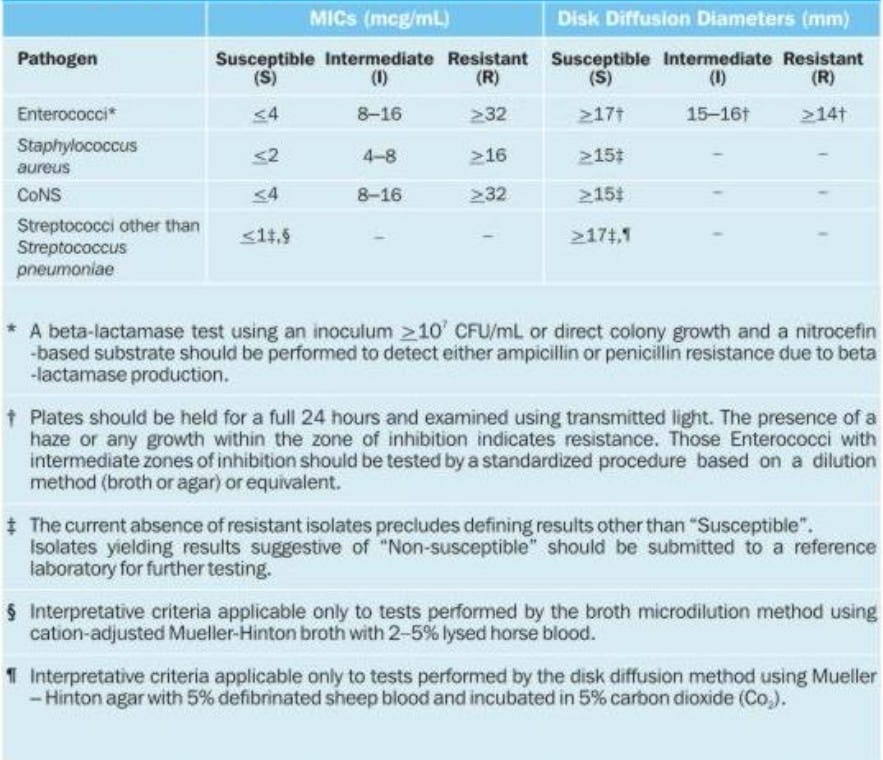
- A report of "Susceptible* indicates that the pathogen is likely to be inhibited if the antimicrobial compound in the blood reaches the concentrations usually achievable.
- A report of "Intermediate" indicates that the result should be considered equivocal, and if the microorganism is not fully susceptible to alternative, clinically feasible drugs, the test should be repeated. This category implies possible clinical applicability in body sites where the drug is physiologically concentrated or in situations where a high dosage of the drug can be used. This category also provides for a buffer zone, which prevents small uncontrolled technical factors from causing major discrepancies in interpretation.
- A report of "Resistant" indicates that the pathogen is not likely to be inhibited if the antimicrobial compound in the blood reaches the concentrations usually achievable; accordingly, other therapy should be selected.
Quality Control
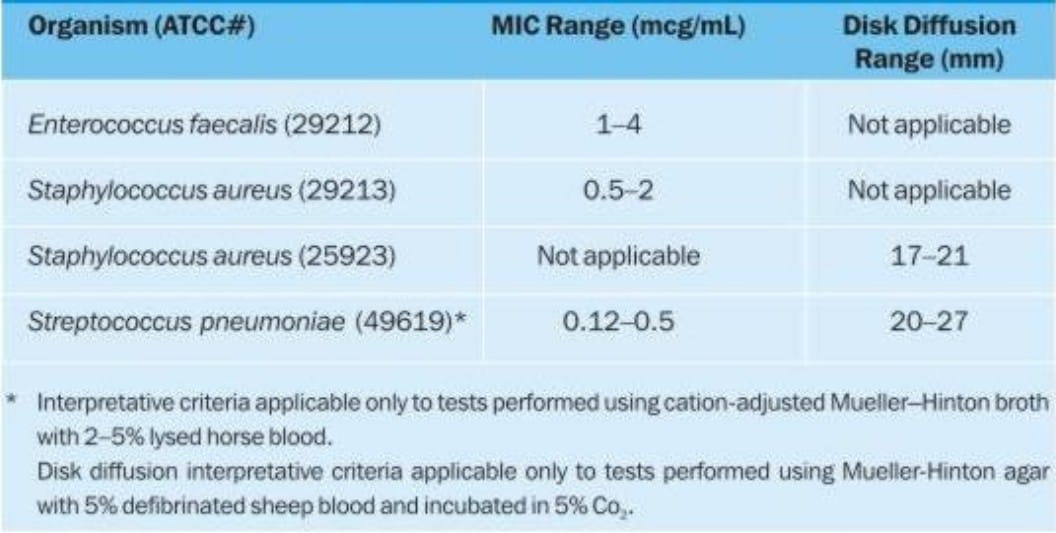
Standardized susceptibility test procedures require the use of laboratory control microorganisms to monitor and ensure the accuracy and precision of the supplies and reagents used in the assay, and the techniques of the individuals performing the test. Standard vancomycin powder should provide the MIC values shown below (Table 2). For the diffusion technique, the 30 mcg vancomycin disk should provide the following zone diameters with the quality control strains:
 Pharmacokinetics
Vancomycin is not significantly absorbed from the normal gastrointestinal tract and is, therefore, not effective by the oral route for infections other than staphylococcal enterocolitis and pseudomembranous colitis due to Clostridium difficile.
In subjects with normal kidney function, multiple I.V. dosing of 1 g of vancomycin (15 mg/kg) infused over 60 minutes produces mean plasma concentrations as follows: Approximately 63 mcg/mL immediately after the completion of the infusion; approximately 23 mcg/mL, 2 hours after the infusion; and approximately 8 mcg/mL, 11 hours after the end of the infusion.
Multiple dosing of 500 mg infused over 30 minutes produces mean plasma concentrations as follows: About 49 mcg/mL at the completion of the infusion; about 19 mcg/mL, 2 hours after the infusion; and about 10 mcg/mL, 6 hours after the infusion. The plasma concentrations during multiple dosing are similar to those after a single dose.
The mean elimination half-life of vancomycin from plasma is 4-6 hours in subjects with normal renal function. In the first 24 hours, about 75% of an administered dose of vancomycin is excreted in the urine by glomerular filtration. Mean plasma clearance is about 0.058 L/kg/h and mean renal clearance is about 0.048 L/kg/h. Renal dysfunction slows the excretion of vancomycin. In anephric patients, the average half-life of elimination is 7.5 days. The distribution coefficient is from 0.3 to 0.43 L/kg. There is no apparent metabolism of the drug. About 60% of an intraperitoneal dose of vancomycin administered during peritoneal dialysis is absorbed systemically in 6 hours. Serum concentrations of about 10 mcg/mL are achieved by an intraperitoneal injection of 30 mg/kg of vancomycin. However, the safety and efficacy of the intraperitoneal use of vancomycin has not been established in adequate and well-controlled trials. Total systemic and renal clearance of vancomycin may be reduced in the elderly.
Vancomycin is approximately 55% serum protein-bound, as measured by ultrafiltration at vancomycin serum concentrations of 10-100 mcg/mL. After I.V. administration of vancomycin, inhibitory concentrations are present in the pleural, pericardial, ascitic and synovial fluids; in the urine; in the peritoneal dialysis fluid; and in the atrial appendage tissue. Vancomycin does not readily diffuse across normal meninges into the spinal fluid; but, when the meninges are inflamed, penetration into the spinal fluid occurs.
Vancomycin for the Treatment of Known or Suspected Resistant Gram-Positive Infections in Neonates10
Gram-positive infections caused by susceptible and resistant strains of Staphylococcus aureus, CoNS and Enterococci are increasing problems in neonates and have been identified as the most common cause of nosocomial infections in PICUs as well as NICUs. The most commonly reported pathogen associated with nosocomial infections in neonates is CoNS, accounting for nearly one-third of the pathogens identified and almost one-half of the bloodstream infections reported in NICUs. CoNS is most often associated with indwelling vascular catheters, focal complications, endocarditis and, even, death, without an identifiable source of infection. Despite some debate over the pathogenic role of CoNS, these organisms cause significant morbidity and mortality in newborns, particularly very low birth weight (VLBW) infants. An Indian study reported that in neonates with late onset septicaemia, 66% of CoNS isolates were resistant to methicillin and all of these (100%) MRCoNS were resistant to penicillin. Vancomycin-containing antibacterial regimens are the most frequently prescribed in newborns for such cases.
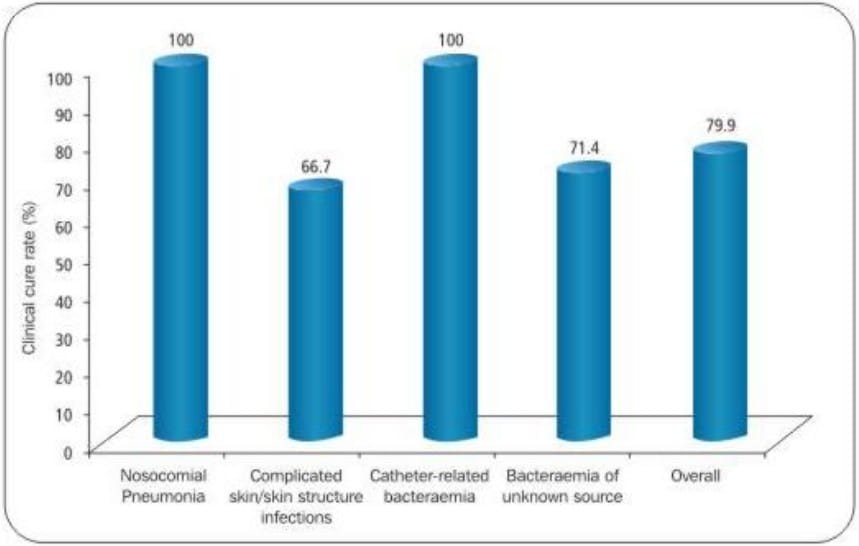
In a Phase III, randomized, open-label, comparator-controlled multicentre study conducted at 59 sites (USA, Mexico and South America), 20 hospitalized infants, from newborn to 90 days of age, with Gram-positive, hospital-acquired infections (known or suspected hospital-acquired pneumonia, complicated skin or skin structure infections, bacteraemia or other infections [e.g., pyelonephritis, abdominal abscess) and mixed infections), were treated with vancomycin 10 to 15 mg/kg I.V. q6-24hr in accordance with site closing guidelines for a minimum of 10 days and up to 28 days.
Plasma vancomycin concentrations were monitored, and the dose and interval were adjusted accordingly. Concomitant administration of aztreonam or gentamicin was permitted if coverage for Gram-negative pathogens was required.
A high clinical cure rate (Figure 2) (defined as pathogen eradication, resolution in clinical signs and symptoms of infections, including body temperature, white blood cell count, and lesion evaluation at chest radiography) in neonates treated with vancomycin (76.9%) were reported. In case of nosocomial pneumonia and catheter-related bacteraemia, 100% clinical cure rates were achieved.
High Gram-positive pathogen eradication (Figure 3), including the resistant strains, was achieved with vancomycin. There was 100% eradication of CoNS, including the methicillin-resistant Staphtylococcus epidermidis (MRSE) strains.
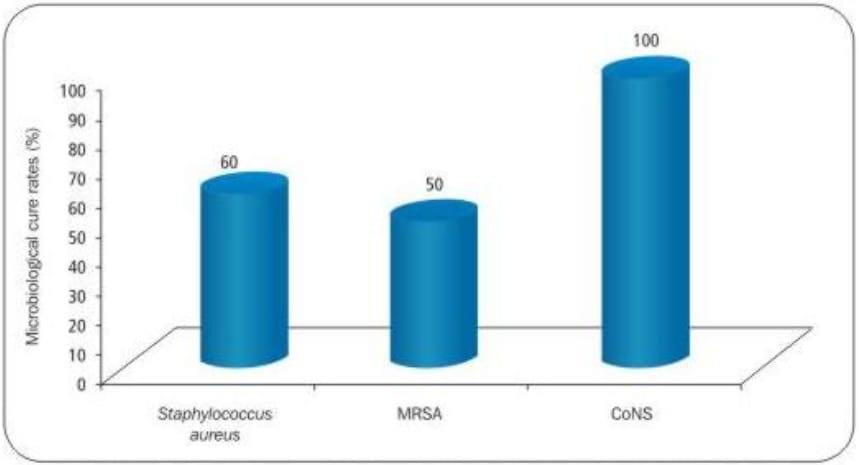
Vancomycin was effective in the treatment of neonates having a wide range of known/suspected resistant Gram-positive infections, including those caused by MRSA and MRSE.
Vancomycin for the Treatment of Resistant Gram-Positive Infections in Children11
Nosocomial infections represent an important cause of morbidity and mortality in children, where bloodstream infections, pneumonia and urinary tract infections are the most common nosocomial infections in PICUs. The three most common organisms causing nosocomial bacteraemia are CoNS, Staphylococcus aureus and Enterococci. Staphylococcus aureus is the most common cause of surgical wound infections and the second leading cause of nosocomial pneumonia. In some ICUs, up to 50% of nosocomial isolates of Staphylococcus aureus are resistant to methicillin. In the past 5 years, an increasing number of investigators have reported MRSA as a cause of community-acquired infections, especially in children. Vancomycin has been the treatment of choice for presumed Gram-positive bacterial infections.
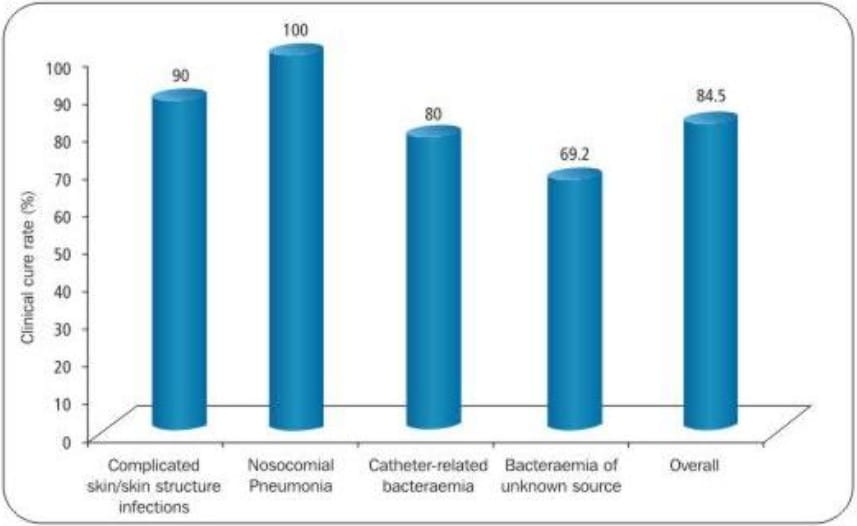
In a Phase III, randomized, open-label, comparator-controlled, multicentre trial conducted at 59 sites (USA, Mexico and Latin America), vancomycin 10 to 15 mg/kg I.V. q6-24hr, as per dosing recommendations, for at least 3 days followed by oral was used in the treatment of suspected or proven antibiotic-resistant Gram-positive bacterial infections like nosocomial pneumonia, complicated skin and skin structure infections, catheter-related bacteraemia, bacteraemia of unknown source, or other infections (e.g., pyelonephritis, abdominal abscess) in 102 hospitalized children (birth to 12 years of age). The duration of therapy was from 10 days up to 28 days.
Vancomycin I.V. was continued for catheter-related bacteraemia caused by CoNS, if the catheter was not removed.
Concomitant administration of aztreonam or gentamicin was permitted if coverage for Gram-negative pathogens was required. The most commonly used oral therapy for these vancomycin-treated patients was clindamycin, with the selection based on positive baseline culture agent and susceptibility patterns.
Resistance was demonstrated by susceptibility tests in a central laboratory, in accordance with the National Committee for Clinical Laboratory Standards Guidelines, on bacterial isolates from suitable specimens, including blood, sputum or wound exudate.
Clinical resolution (defined as the resolution of baseline clinical signs and symptoms of infection after ≥ 5 days and 15 doses of treatment) was 84.5% in the vancomycin-treated paediatric patients (Figure 4).
High pathogen eradication rates were evident with vancomycin, regardless of drug resistance (94% for those with methicillin-susceptible Staphylococcus aureus [MSSA); 90% for those with MRSA; and 83% for those with MRCoNS) (Figure 5).
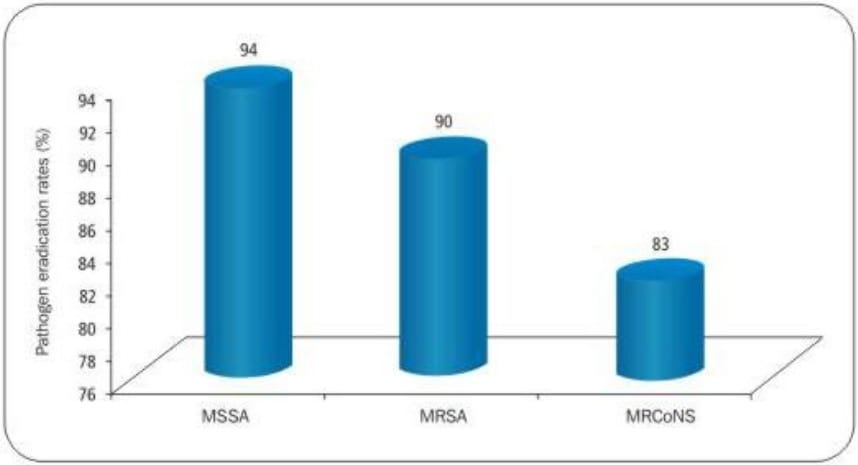
Vancomycin is, clinically and microbiologically (including the resistant Gram-positive organisms), consistently very effective across all infections caused by presumed or documented resistant Gram-positive pathogens across all paediatric age groups, including neonates.
Vancomycin for the Treatment of Complicated Skin and Skin Structure Infections in Hospitalized Children12
Gram-positive pathogens, including Staphylococcus aureus and Streptococcus pyogenes, are a major cause of skin and skin structure infections in children. In recent years, an increase in CA-MRSA was demonstrated in these infections.
In another randomized, controlled, open-label, multicentre trial at 59 sites (USA, Mexico and South America) from February to December 2001, 40 hospitalized children <12 years of age and presenting with complicated, Gram-positive, skin and skin structure infections such as cellulitis, skin abscess, infected surgical incision sites, skin ulcers and erysipelas were assigned vancomycin 10 to 15 mg/kg I.V. q6-24hr as per age-dosing guidelines for 3 days, followed by an appropriate oral agent according to pathogen susceptibility. The treatment duration was 10 to 28 days.
Concomitant administration of non-antibiotic antimicrobial topical solutions and daily debridement or dressing changes were permitted throughout the treatment period.
Rates of clinical efficacy (defined as the resolution of clinical signs or symptoms) were 90% with vancomycin (Figure 6).
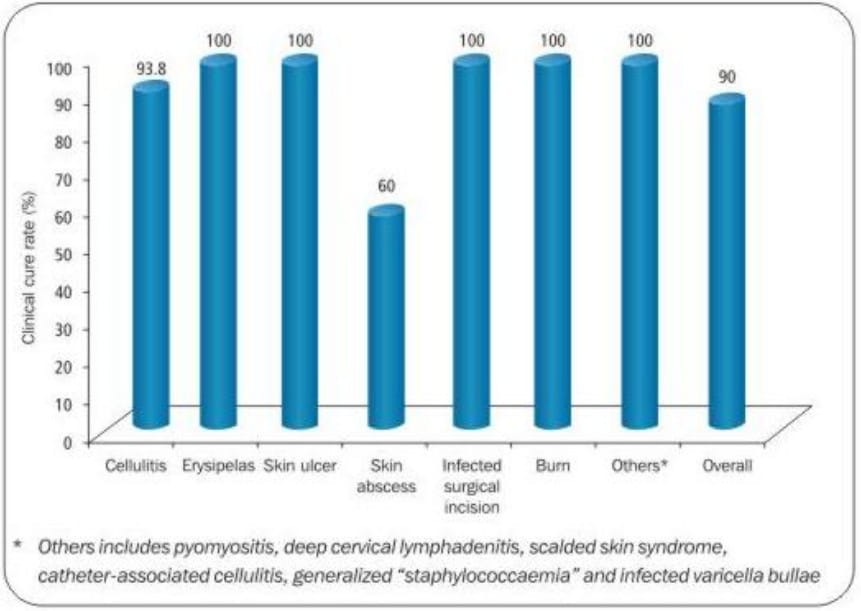
Staphylococcus aureus was the most common pathogen (79.7% of isolates). Good eradication of the most frequently isolated pathogen, Staphylococcus aureus (90.5%), with a high MRSA eradication rate was seen in the vancomycin-treated paediatric patients.
Treatment with vancomycin is clinically and microbiologlcally effective in hospitalized paediatric patients with complicated skin and skin structure infections.
VANLID 250 I.V. is indicated for the treatment of serious or severe infections caused by susceptible strains of methicillin-resistant (beta-lactam-resistant) staphylococci. It is indicated for penicillin-allergic patients, for patients who cannot take other drugs or who have failed to respond to them, including the penicillins or cephalosporins, and for infections caused by vancomycin-susceptible organisms that are resistant to other antimicrobial drugs. As vancomycin is an antibiotic to which nearly all strains of staphylococcus remain susceptible, it should be reserved for those cases where there is a specific indication, to minimize the chances of resistance emerging. VANLID 250 I.V. is indicated for initial therapy when methicillin-resistant staphylococci are suspected, but after susceptibility data are available, therapy should be adjusted accordingly.
- Endocarditis, osteomyelitis, lower respiratory tract infections (e.g. pneumonia), septicaemia and skin and soft tissue infections caused by Staphylococci.
- Vancomycin hydrochloride has been reported to be effective alone or in combination with an aminoglycoside for endocarditis caused by Streptococcus viridans or Streptococcus bovis. For endocarditis caused by Enterococci (e.g. Enterococcus faecalis), vancomycin hydrochloride has been reported to be effective only in combination with an aminoglycoside.
- Vancomycin hydrochloride has been reported to be effective for the treatment of Diphtheroid endocarditis. It has also been used successfully in combination with either rifampin or an aminoglycoside, or both in early-onset prosthetic valve endocarditis caused by Staphylococcus epidermidis or Diphtheroids.
- Vancomycin has been used successfully alone as prophylaxis against endocarditis in patients at risk from dental or surgical procedures.
Specimens for bacteriologic cultures should be obtained in order to isolate and identify causative organisms and to determine their susceptibilities to vancomycin hydrochloride.
- The parenteral form of sterile vancomycin hydrochloride may be administered orally for the treatment of antibiotic-associated pseudomembranous colitis produced by Clostridium difficile and for staphylococcal enterocolitis. Relapse of pseudomembranous colitis is possible and usually occurs within 4-21 days after vancomycin is discontinued. Patients appear to respond to a second course of oral vancomycin. Parenteral administration of vancomycin hydrochloride alone is of unproven benefit for this indication. Vancomycin hydrochloride is not effective by the oral route for other types of infection. If required. I.V. administration may be used concomitantly.
Patients with Normal Renal Function Adults
Intravenous (I. V.)
The usual adult I.V. dose is 500 mg every 6 hours or 1 g every 12 hours in Sodium Chloride 0.9% solution or Dextrose 5%. Each dose should be administered at no greater than 10 mg/min or over a period of at least 60 minutes, whichever is longer. Other patient-related factors, such as age or obesity, may call for modification of the usual I.V. daily dose.
Staphylococcal infections normally respond within 48-72 hours. Duration of therapy depends on the type and severity of infections and the patient's response. For bacterial endocarditis, the generally accepted regimen is 500 mg vancomycin I.V. every 6 hours for a minimum of 3 weeks, either alone or in combination with other antibiotics.
Therapeutic Range of Serum Levels
Following multiple I.V. doses, peak serum concentrations, measured 2 hours after infusion is complete, range from 18 mg/litre to 26 mg/litre. Trough levels measured immediately prior to the next dose should be 5-10 mg/litre. Ototoxicity has been associated with serum drug levels of 80-100 mg/litre, but this is rarely seen when serum levels are kept at or below 30 mg/litre.
Oral
Dosage of 125 mg six hourly or 500 mg per day in three or four divided doses for 7 to 10 days has been recommended, although up to 2 g/day have been used in severe cases. The total daily dosage should not exceed 2 g.
Paediatrics
Intravenous (I. V.)
The usual I.V. dosage is 10 mg/kg per dose given every 6 hours (total daily dosage 40 mg/kg of body weight). Each dose should be administered over a period of at least 60 minutes.
Infants and Neonates
In neonates and young infants, the total daily dosage may be lower. An initial dose of 15 mg/kg is suggested, followed by 10 mg/kg every 12 hours in the first week of life and every 8 hours thereafter until 1 month of age. Each dose should be administered over a period of at least 60 minutes. In premature infants, vancomycin clearance decreases as the post conception age decreases. Therefore, longer dosing intervals may be necessary in premature infants. Other dosage recommendations are based on post-conception or postnatal age. One dosing nomogram for dosing vancomycin in neonates is illustrated in Table 3.
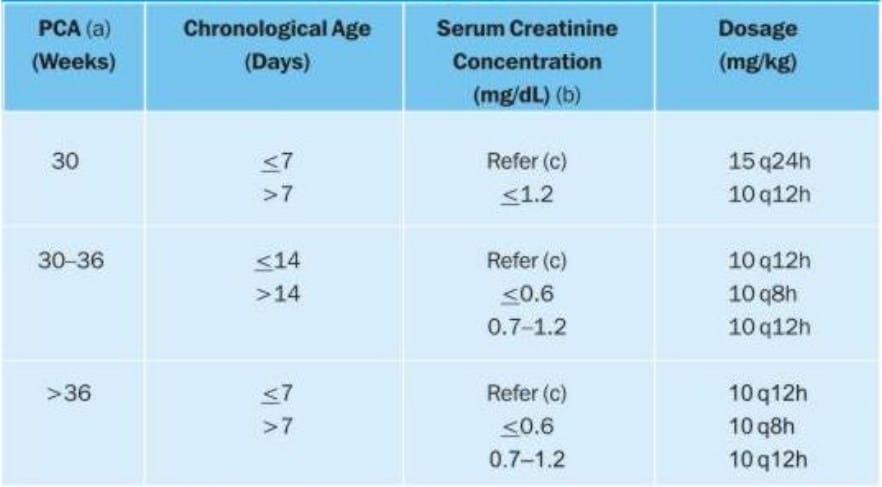
Close monitoring of serum concentrations of vancomcyin is warranted in these patients.
Oral
VANLID 2501.V. can be administered using 40 mg per kg body weight in three or four divided doses for 7 - 10 days. The total daily dose should not exceed 2 g.
Patients with Impaired Renal Function and Elderly Patients
Dosage adjustment must be made in patients with impaired renal function. In premature infants and the elderly, greater dosage reductions than expected may be necessary because of decreased renal function.
Accumulation of the drug may occur with prolonged therapy and, thus, serum concentrations of vancomycin should be monitored regularly. Vancomycin serum concentrations can be determined by the use of microbiology assay, radioimmunoassay, fluorescence polarization immunoassay, fluorescence immunoassay, or high-pressure liquid chromatography.
If creatinine clearance can be measured or estimated accurately, the dosage for most patients with renal impairment can be calculated using Table 4.
The dosage of vancomycin hydrochloride per day in mg is about 15 times the glomerular filtration rate in mL/min.
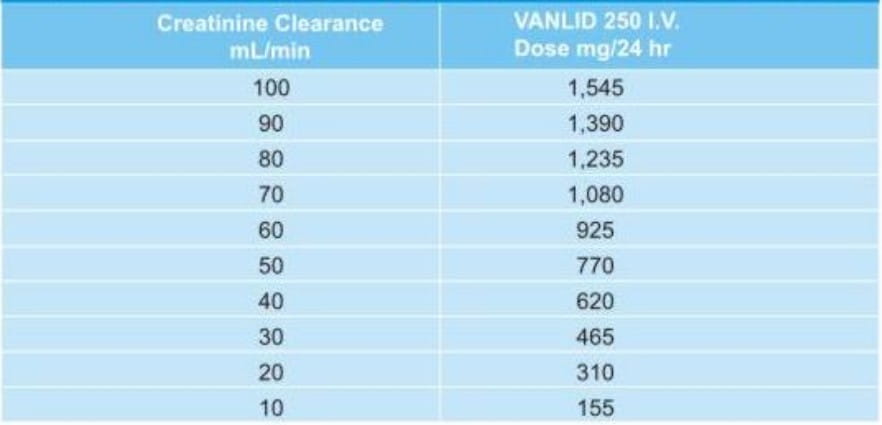
The initial dose should be no less than 15 mg/kg, even in patients with mild-to-moderate renal impairment.
The above table is not valid for functionally anephric patients. For such patients, an initial dose of 15 mg/kg of body weight should be given to achieve prompt therapeutic serum concentrations. The dose required to maintain stable concentrations is 1.9 mg/kg/24 hr.
In patients with marked renal impairment, it may be more convenient to give maintenance doses of 250 - 1,000 mg once every other day rather than administering the medicine on a daily basis.
In anuria, a dose of 1,000 mg every 7-10 days has been recommended.
In patients on haemodialysis, the drug is not significantly removed by haemodialysis. A dose of 1 g of vancomycin every 7 days produces effective blood levels. Serum levels should be monitored to avoid drug accumulation and resultant toxicity. The serum half-life ranges from 120 to 216 hours.
In patients undergoing peritoneal dialysis, the half-life of vancomycin has been reported at around 18 hours. To prevent undue lowering of serum levels during peritoneal dialysis, an additional amount of vancomycin could be added to the dialysate in a concentration of 25 mcg per ml.
When only the serum creatinine concentration is known, the formula given below (based on sex, weight and age of the patient) may be used to calculate the creatinine clearance. Calculated creatinine clearances (mL/min) are only estimates. The creatinine clearance should be measured promptly.

The serum creatinine must represent a steady state of the renal function. Otherwise, the estimated value for the creatinine clearance is not valid. Such a calculated clearance is an overestimate of actual clearance in patients with the following conditions:
- Characterized by decreasing renal function, such as shock, severe heart failure, or oliguria.
- Where a normal relationship between muscle mass and total body weight is not present, such as obese patients or those with liver disease, oedema, or ascites.
- Accompanied by debilitation, malnutrition or inactivity.
VANLID 250 I.V. is for I.V. infusion and oral use only and not for intramuscular administration. The safety and efficacy of vancomycin administration by the intrathecal (intralumbar or intraventricular) routes have not been established.
Reconstitution and Directions for Use I. V. Administration
At the time of use, add 5 mL of sterile Water for Injection to VANLID 250 mg vial. Vials reconstituted in this manner will give a solution of 50 mg/mL.
Reconstituted solutions containing 250 mg Powder for I.V. Injection must be diluted with at least 50 mL diluent. 0.9% Sodium Chloride I.V. infusion or 5% Dextrose I.V. infusion are suitable diluents.
The desired dose should be administered by I.V. infusion over a period of 60 minutes or at a rate of no more than 10 mg/min. Prior to administration, parenteral drug products should be inspected visually for particulate matter and discolouration whenever the solution and container permit. After reconstitution, the vials may be stored in a refrigerator for 14 days without significant loss of potency.
Oral Administration
The parenteral form of vancomycin may be administered orally for the treatment of antibiotic-associated pseudomembranous colitis caused by Clostridium difficile and staphylococcal enterocolitis. Parenteral administration of vancomycin alone is of unproven benefit in these indications. Vancomycin is not effective by the oral route for other types of infections. After initial reconstitution of the vial, the appropriate dose may be diluted in 30 ml of water and given to the patient to drink. Common flavouring syrups may be added to the solution to improve the taste for oral administration. The diluted solution may also be administered via a nasogastric tube.
VANLID 2501.V. is contraindicated in patients with known hypersensitivity to this drug.
Rapid bolus administration (e.g. over several minutes) may be associated with occasional severe hypotension, including shock and, rarely, cardiac arrest, histamine-like responses and maculopapular or erythematous rash ("red mans syndrome" or "red neck syndrome"). Vancomycin should be administered over a period of not less than 60 minutes or at a rate not greater than 10 mg/min to avoid rapid infusion-related reactions. Stopping the infusion usually results in prompt cessation of these reactions. Slow infusions over 1 hour are recommended for infants and children.
Vancomycin should be used with caution in patients with renal impairment because the risk of toxicity is appreciably increased by high, prolonged blood concentrations. Dosage needs to be adjusted for patients with renal dysfunction. The concurrent or sequential use of other nephrotoxic drugs requires careful monitoring and should be avoided, if possible.
Transient or permanent ototoxicity has been reported mostly in patients who have been given excessive doses, who have an underlying hearing loss, or who are receiving concomitant therapy with another ototoxic agent, such as an aminoglycoside. Vancomycin should, if possible, be avoided in patients with previous hearing loss. If used, it is very important that the dose be adjusted by monitoring the blood concentrations of the drug. Deafness may be preceded by tinnitus. The elderly are more susceptible to auditory damage. Experience with other antibiotics suggests that deafness may be progressive despite cessation of treatment.
Clostridium difficile-associated diarrhoea (CDAD) has been reported with the use of nearly all antibacterial agents, including vancomycin, and may range in severity from mild diarrhoea to fatal colitis. If CDAD is suspected or confirmed, ongoing antibiotic use not directed against Clostridium difficile may need to be discontinued. Appropriate fluid and electrolyte management, protein supplementation, antibiotic treatment of Clostridium difficile, and surgical evaluation should be instituted as clinically indicated.
Prolonged use of vancomycin may result in the overgrowth of non-susceptible microorganisms. Careful observation of the patient is essential. If superinfection occurs during therapy, appropriate measures should be taken. In rare instances, there have been reports of pseudomembranous colitis due to Clostridium difficile developing in patients who received vancomycin I.V.
Reversible neutropenia has been reported in patients receiving vancomycin.
Vancomycin is irritating to tissue and must be given by a secure I.V. route of administration. Pain, tenderness, and necrosis occur with inadvertent extravasation. The frequency and severity of thrombophlebitis can be minimized if the drug is administered as a dilute solution (2.5-5 mg/mL) of Dextrose 5% or Normal Saline 0.9% solution by slow infusion and by rotation of the venous access sites.
There have been reports that the frequency of infusion-related events (including hypotension, myocardial depression, flushing, erythema, urticaria, and pruritus) increases with the concomitant administration of anaesthetic agents. During anaesthesia, doses must be well-diluted and administered slowly as a 60-minute infusion prior to anaesthetic induction, along with close cardiac monitonng. Position changes should be delayed until the infusion is completed to allow for postural adjustment. The safety and efficacy of vancomycin administered by the intrathecal (intralumbar or intraventricular) route or by the intraperitoneal route have not been established by adequate and well-controlled trials.
Reports have revealed that the administration of sterile vancomycin by the intraperitoneal route during continuous ambulatory peritoneal dialysis (CAPD) has resulted in a syndrome of chemical peritonitis. To date, this syndrome has ranged from a cloudy dialysate alone to a cloudy dialysate accompanied by variable degrees of abdominal pain and fever. This syndrome appears to be short-lived after the discontinuation of intraperitoneal vancomycin.
All patients receiving vancomycin should have periodic haematological studies, urine analysis, and liver and renal function tests. Serial tests of auditory function may be helpful in order to minimize the risk of ototoxicity, especially in those aged more than 60 years.
Prescribing vancomycin in the absence of a proven or strongly suspected bacterial infection or a prophylactic indication is unlikely to provide benefit to the patient and increases the risk of the development of drug-resistant bacteria.
Patients taking oral vancomycin should be warned of its offensive taste.
Drug Interactions
Concurrent administration of vancomycin hydrochloride I.V. and anaesthetic agents has been associated with erythema, histamine-like flushing and anaphylactoid reactions.
Concurrent and/or sequential systemic or topical use of other neurotoxic and/or nephrotoxic drugs, e.g. amphotericin B, streptomycin, neomycin, gentamicin, kanamycin, amikacin, tobramycin, bacitracin, polymyxin B, colistin and cisplatin requires careful monitoring.
Diuretics such as ethacrynic acid and frusemide may aggravate ototoxicity.
Cholestyramine has been shown to bind vancomycin in vitro. Therefore, if oral vancomycin is used with cholestyramine, the two drugs should be administered several hours apart.
Renal Impairment
Please refer DOSAGE AND ADMINISTRATION.
Pregnancy
Pregnancy Category C
VANLID 250 I.V. should be given to a pregnant woman only if clearly needed.
Lactation
Vancomycin is excreted in human milk. Because of the potential for adverse events, a decision should be made whether to discontinue nursing or to discontinue the drug, taking into account the importance of the drug to the mother.
Paediatric Use
In paediatric patients, it may be appropriate to confirm the desired vancomycin serum concentrations. Concomitant administration of vancomycin and anaesthetic agents has been associated with erythema and histamine-like flushing in paediatric patients.
Geriatric Use
The natural decrement of glomerular filtration with increasing age may lead to elevated vancomycin serum concentrations if the dosage is not adjusted. Vancomycin dosage schedules should be adjusted in elderly patients (please refer DOSAGE AND ADMINISTRATION).
Infusion-Related Events
During or soon after rapid infusion of vancomycin, patients may develop anaphylactoid reactions, including hypotension, palpitations, substernal pressure, tachycardia, wheezing, dyspnoea, urticaria or pruritus, and rare cases of vasculitis. Rapid infusion may also cause flushing of the upper body ("red neck"), or pain and muscle spasms of the chest and back. These reactions usually resolve within 20 minutes, but may persist for several hours. Such events are infrequent if vancomycin is given by a slow infusion over 60 minutes. In studies of normal volunteers, infusion-related events did not occur when vancomycin was administered at a rate of 10 mg/min or less.
Nephrotoxicity
Renal failure, principally manifested by increased serum creatinine or blood urea nitrogen (BUN) concentrations, especially in patients administered large doses of vancomycin, has been reported rarely. Cases of interstitial nephritis have also been reported rarely. Most of these have occurred in patients who were given aminoglycosides concomitantly or who had pre-existing kidney dysfunction. When vancomycin was discontinued, azotaemia resolved in most patients.
Ototoxicity
A few dozen cases of hearing loss associated with vancomycin have been reported. Most of these patients had kidney dysfunction or a pre-existing hearing loss or were receiving concomitant treatment with an ototoxic drug. Vertigo, dizziness, and tinnitus have been reported rarely.
Haematopoietic
Reversible neutropenia, usually starting 1 week or more after the onset of therapy with vancomycin or after a total dosage of more than 25 g, has been reported in several dozen patients. Neutropenia appears to be promptly reversible when vancomycin is discontinued. Thrombocytopenia has rarely been reported. Although a causal relationship has not been established, reversible agranulocytosis (granulocytes < 500/mm3) has been reported rarely.
Phlebitis
Inflammation at the injection site has been reported.
Ocular
Subconjunctival injections have infrequently been used in the treatment of bacterial corneal ulcers, but may cause severe inflammation or sloughing.
Gastrointestinal
Oral doses are extremely unpalatable. In leukaemia patients, oral dosing regimens are associated with frequent nausea, diarrhoea and occasional vomiting.
Miscellaneous
Infrequently, patients have been reported to have had anaphylaxis, drug fever, nausea, chills, eosinophilia and rashes, including exfoliative dermatitis, Stevens-Johnson syndrome and vasculitis in association with the administration of vancomycin. Tissue irritation and necrosis occurs after intramuscular injection or extravasation from the I.V. site. Vancomycin has been associated with bullous eruption disorders, toxic epidermal necrolysis and linear IgA bullous dermatosis. If a bullous disorder is suspected, the drug should be discontinued and a specialist dermatological assessment should be carried out.
Chemical peritonitis has been reported following the intraperitoneal administration of vancomycin.
Supportive care is advised, with maintenance of glomerular filtration. Vancomycin is poorly removed from the blood by haemodialysis or peritoneal dialysis. Haemoperfusion and haemofiltration with polysulphone resin have been reported to result in increased vancomycin clearance.
Vancomycin solution has a low pH that may cause chemical or physical instability when it is mixed with other compounds.
Vancomycin is chemically incompatible with dexamethasone sodium phosphate, heparin sodium, methicillin sodium, phenobarbitone sodium and sodium bicarbonate.
Compatibility with I.V. Fluids
Solutions that are diluted with 5% Dextrose Injection, Sterile Water for Injection or 0.9% Sodium Chloride Injection may be stored in a refrigerator for 14 days without significant loss of potency.
Solutions that are diluted with the following infusion fluids may be stored in a refrigerator for 96 hours:
5% Dextrose Injection and 0.9% Sodium Chlonde Injection,
USP Lactated Ringer's Injection, USP
Normosol® M and 5% Dextrose
Isolyte® -E
Acetated Ringer's Injection
Prior to administration, parenteral drug products should be inspected visually for particulate matter and discolouration whenever the solution or container permits.
Mixtures of solutions of vancomycin and beta-lactam antibiotics have been shown to be physically incompatible. The likelihood of precipitation increases with higher concentrations of vancomycin. It is recommended to adequately flush the I.V. lines between the administrations of these antibiotics. It is also recommended to dilute solutions of vancomycin to 5 mg/mL or less.
Although an intra-vitreal injection is not an approved route of administration for vancomycin, precipitation has been reported after intra-vitreal injection of vancomycin and ceftazidime for endopthalirtis using different syringes and needles. The precipitates dissolved gradually, with complete clearing of the vitreous cavity over 2 months and with improvement of visual acuity.
Prior to reconstitute, store below 25°C.
After reconstitution, the reconstituted solution may be stored in the refrigerator (2°-8°C).
Reconstituted solutions diluted with 5% Dextrose Injection, Sterile Water for Injection or 0.9% Sodium Chloride Injection are stable for 14 days if kept refrigerated (2° -8°C).
Vancomycin solution is stable for 96 hours under refrigeration when diluted with the following dilution fluids: 5% Dextrose and 0.9% Sodium Chloride Injection, Lactated Ringer's Injection, Lactated Ringer's and 5% Dextrose Injection. Normosol ® -M and 5% Dextrose, Isotyte ® -E, and Acetated Ringer's Injection.
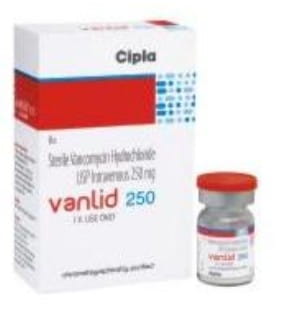
VANLID 250 I.V. Vial of 5 mL
- Initial therapy when methicillin-resistant staphylococci are suspected, but after susceptibility data are available, therapy should be adjusted accordingly
- Serious or severe infections caused by susceptible strains of methicillin-resistant (beta lactam-resistant) staphylococci, including suspected or confirmed HA - MRSA or CA-MRSA infections.
- Penicillin-allergic patients, for patients who cannot receive or who have failed to respond to other drugs, including the penicillins or cephalosporins.
- Infections caused by vancomycin-susceptibie organisms that are resistant to other antimicrobial drugs
- Lower respiratory tract infections (like pneumonia)
- Skin and soft tissue infections
- Septicaemia
- Osteomyelitis
Treatment
- Endocarditis caused by Staphylococci, Streptococcus viridans* or Streptococcus bovis* and Enterococci (e.g. Enterococcus faecalis),** and Diphtheroids"
- Early-onset prosthetic valve endocarditis caused by Staphylococcus epidermidis or Diphtheroids. $
Prophylaxis
Vancomycin has been used successfully alone as prophylaxis against endocarditis in patients at risk from dental or surgical procedures.
The parenteral form of sterile vancomycin hydrochloride may be administered orally for the treatment of antibiotic-associated pseudomembranous colitis produced by Clostridium difficile and for staphylococcal enterocolitis. Parenteral administration of vancomycin hydrochloride alone is of unproven benefit for this indication. I.V. administration may be used concomitantly if required.
- A reliable bactericidal agent against most aerobic and anaerobic Gram-positive pathogens.13
- Drug of choice for MRSA since the last three decades.14
- 100% susceptibility of MRSA to vancomycin in Indian settings.15,16
- Widely distributed in body tissues and diffuses readily into the pericardial, pleural, ascitic and synovial fluids.17
- Effective in treatment for staphylococcal and invasive pneumococcal infections in pediatric patients.18,19
- Well-tolerated and safe for critically ill neonates.20
- Rare vancomycin associated nephrotoxicity.17,21,22
- Combination of vancomycin and aminoglycosides does not appear to increase the nephrotoxic potential of aminoglycosides.17,21
1. Current Opinion in Microbiology 2000,3:528-534
2. J Infect. 2009; 59 (1)S51-8.
3. lndian J Pediatr 2010;77(1):37-39
4. Curr Opin Infect Dis 16:265-269 5. Drugs 2006: 66 (6):751-768
6. Pediatrics 2005:116:e198-e205
7. http://www.medscape.com/viewarticle/554935
8. Indian J Med Res 130, December 2009. pp 742-748
9. Journal of Medical Microbiology (2004), 53.941-944
10. Pediatr Infect Dis J. 2003: 22:S158-63
11. Pediatr Infect Dis J. 2003:22:677-85
12. Pediatr Infect Dis. 2003; 22(9):S172-177
13. Seminars in Pediatric Infectious Diseases;1998:9(4)322-329
14. Antimicrobial agents and chemotherapy, Apr. 2008.1533-1537
15. Tropical Doctor 2010; 40:108-110
16. http://www.bhj.org/journal/2007 4904_oct/html/audit_mrsa_579-583.html accessed on 15th july 2010 17. Pediatrics 1999; 103:e48
18. Vancomycin AHFS 2008
19. Reviews of Infectious Diseases; Nov Dec. 1981(3) S282-S288
20. Pediatrics 1997;99:289-299
21. Crit Care Clin 24 (2008) 393-420
22. Pediatr Infect Dis J 2010;29:462-464