Premenstrual Syndrome & Premenstrual Dysphoric Disorder
The present-day woman fulfils multiple roles; she is a dependable wife, a caring mother, a dutiful daughter, a sensitive sister, a selfless caregiver and a person walking on the path of success with equal confidence as her male counterpart. But along with this, she often experiences considerable emotional strain.
Premenstrual syndrome is one of them. Premenstrual syndrome affects millions of women during their reproductive years. The extreme and predominantly psychological form of premenstrual syndrome is called premenstrual dysphoric disorder.
According to a report by the Committee on Gynecologic Practice of the American College of Obstetricians and Gynecologists, up to 80% of women of reproductive age have physical changes with menstruation; 20 to 40% of them experience symptoms of premenstrual syndrome while 2 to 10% report severe disruption of their daily activities.
In both premenstrual syndrome and premenstrual dysphoric disorder, the symptoms diminish rapidly with the onset of menses.
Premenstrual symptoms are a natural part of the menstrual cycle, affecting a large number of women at some time during their lives. It is characterized by the cyclic recurrence of symptoms during the luteal phase of the menstrual cycle. If the body does not react strongly to its monthly hormonal changes, the premenstrual symptoms could be absent or could be present in a mild form.
But if one or more mild to moderate premenstrual symptoms are present which disrupt the work, relationships with others, or sense of well-being, it is called Premenstrual Syndrome (or more commonly, PMS).
Up to 85% of menstruating women report having one or more premenstrual symptoms, and 2-10% report disabling, incapacitating symptoms.
More than 200 symptoms have been associated with PMS, but irritability, tension and dysphoria are the most prominent and consistently described. Many women experience PMS symptoms, particularly physical symptoms such as breast tenderness and swelling, at some time in their reproductive years, but do not perceive these symptoms as either distressing or debilitating.
PMS includes a broad group of psychological, behavioural and physical symptoms that occur within the 2 weeks before menses and subside following the menstrual period. These symptoms typically begin between the ages of 25 and 35 years.
Symptoms commonly reported by women seeking PMS treatment are as follows:
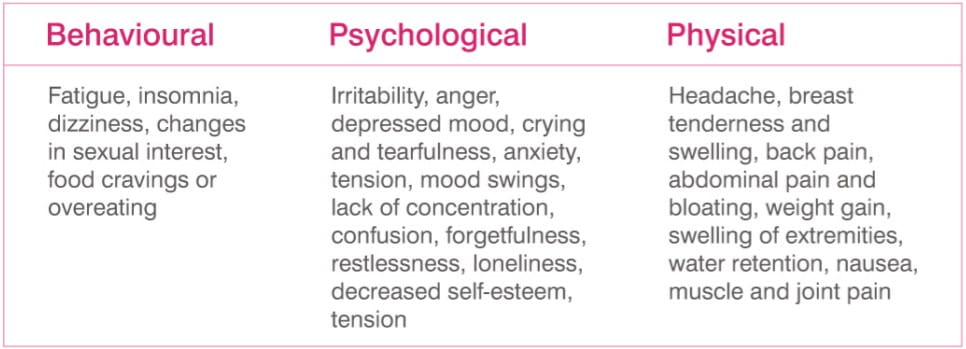
Premenstrual Dysphoric Disorder (PMDD), a severe form of PMS, is characterized by physical and behavioural symptoms that cause marked social impairment during the last half of the menstrual cycle. The prevalence of PMDD in India is 6.4%.
It is reported that some underlying behavioural changes can be aggravated premenstrually. Criminal behaviour, suicide attempts, absenteeism from work, hospital admissions and increased proneness to accidents have all been associated with the menstrual cycle.
Women with PMDD typically have monthly symptoms that begin at menarche (mean age 14) and end at menopause (mean age 51) usually lasting about 6 to 7 days per cycle. Therefore, women may be symptomatic for approximately 8 years over their entire lifetime.
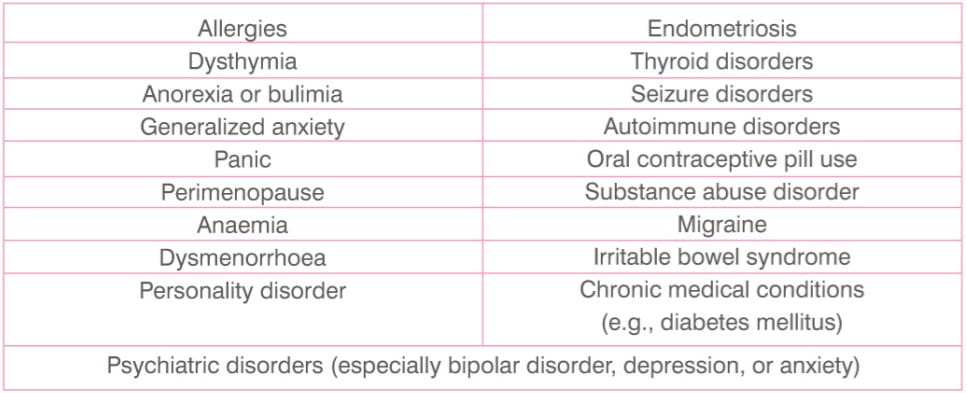
Because PMS symptoms are varied and no specific diagnostic test exists, a premenstrual disorder may go unrecognized or be misdiagnosed as another condition. A woman who has a sufficiently serious problem to seek medical attention usually has multiple symptoms across all domains, but is likely to report the mood and behavioural symptoms as the most distressing. While these disorders are characterized by a cyclic pattern of symptoms that occur premenstrually and abate with menses, these can be confused with the following disorders that manifest premenstrual magnification of symptoms:-
The aetiology of PMS and PMDD remain unknown and may be complex and multifactorial. The effects of hormonal disturbances, especially a low level of progesterone in the luteal phase, and disturbed functioning of aldosterone activity leading to sodium and water retention, imbalance of the hypophyseal-pituitary-adrenal axis leading to inadequate secretion of adrenal hormones, disturbed secretion of neurotransmitters with functional hyperprolactinaemia, dietary deficits of calcium, magnesium and pyridoxine, alcohol, carbohydrate tolerance disturbances, obesity and environmental factors such as stress have all been postulated. However, clinically, the symptoms are triggered by the rise and fall of oestrogen and progesterone related to ovulation in genetically or otherwise predisposed individuals.
The following theories have been proposed to explain the aetiology of PMS and PMDD:-
Oestrogen, Progesterone
Variations in ovarian hormones during the menstrual cycle appear to have an influence on the symptoms. PMS only occurs in women of reproductive age who are having ovulatory cycles. Symptoms tend to be most severe during the luteal phase when there is a rise in serum progesterone. The cyclical nature of the symptoms disappears when anovulation is induced. Ablation of ovarian function by oophorectomy or with the use of gonadotropin releasing hormone (GnRH)-agonists leads to the elimination of these symptoms. Oestradiol also seems to influence the severity of symptoms. Administration of oestradiol during the luteal phase of the menstrual cycle has been shown to produce more symptoms than placebo. The ovarian hormones appear to produce their effects via their actions on the serotonergic and gamma-aminobutyric acid (GABA) systems. It has been shown in rat models that the serotonin-receptor concentration varies with changes in the oestrogen and progesterone levels.
Prolactin
Mastalgia/mastodynia, a PMS component, is a very common symptom accompanying benign breast disease. A significant role of prolactin has been postulated in the aetiology of mastalgia manifested by an altered 24-hour profile of secretion with a significant nocturnal increase in prolactin spurt observed in about 70% of women suffering from this condition. Moreover, the thyrotropin-releasing hormone (TRH) test reveals an increased prolactin reaction in the luteal phase, which proves functional hyperprolactinaemia in women with mastalgia and benign breast disease.
Serotonin
It has been shown that women with PMS/PMDD have a lower platelet concentration of serotonin and symptoms are aggravated by the depletion of the serotonin precursor, tryptophan. Furthermore, they demonstrate a lower level of serotonin in their blood during the last 10 days of the menstrual cycle compared to controls. It has been proposed that serotonin deficiency in women enhances sensitivity to progesterone.
GABA
The GABA transmitter system is a major inhibitory system in the central nervous system. Studies have shown low levels of GABA in the plasma and cerebrospinal fluid and reduced GABA-receptor sensitivity in individuals with mood disorders. GABA levels are also decreased in women with PMDD during the late luteal phase compared to normal women whose plasma levels increase from the mid-follicular to the late luteal phase.
Allopregnanolone
Allopregnanolone is a metabolite of progesterone. Its levels vary similarly to progesterone, with a rise in the luteal phase of the menstrual cycle. In patients with PMS, allopregnanolone levels are low both in the follicular and luteal phases. This appears to be due to impaired synthesis of allopregnanolone by the corpus luteum and other steroidogenic organs. Allopregnanolone is a positive modulator of the GABA-receptor and a potent neurotransmitter with effects on mood, behaviour and cognitive function. It has a bimodal action on mood symptoms similar to benzodiazepines, barbiturates and alcohol. In high doses, it produces anxiolytic, anti-aggressive, sedative and anti-epileptic effects. In low doses, it causes severe emotional reactions in a subset of individuals (2-3%) and a moderate reaction in up to 20% of women. However, some studies have demonstrated a higher level of allopregnanolone in sufferers of PMS, suggesting that the GABA-receptor dysfunction might be the most important factor in these women.
Women suffering from PMS are thought to be low in essential fatty acids (EFAs) and also, therefore, to be low in the important prostaglandin (PG) made from EFAs, PGE1. They also have an imbalance of the various other PGs.
A shortage of EFAs can lead to an apparent excess of prolactin. Prolactin produces changes in mood and fluid metabolism, similar to those found in PMS. Body tissues may be abnormally sensitive to normal levels of prolactin when they are low in EFAs and PGE1.
It is thought that gamma linolenic acid (GLA) and PGE1, both of which can be derived from evening primrose oil (EPO), can damp down the above-mentioned effects of prolactin and also of the hormones from the ovaries. The net effect of this is that GLA and PGE1 help smooth out the actions of the rapidly changing hormone levels in the second half of a woman's menstrual cycle.
To summarize, the aetiology of PMS and PMDD is multifactorial, involving low levels of neurotransmitters, abnormal response to oestrogen and progesterone, nocturnal spurt in prolactin, and a decrease in PGE1, thereby increasing prolactin, and low levels of allopregnanolone and GABA. All these eventually lead to hormonal fluctuations.
Therefore, the treatment approach involves manipulation of the hormones that are believed to be responsible for causing these symptoms and also the use of other drugs like antidepressants, vitamin supplements, etc.
Some women are more prone to PMS and PMDD. Risk factors include the following:
- Age: PMS and PMDD are most likely to occur in the twenties to the mid-thirties.
- Psychiatric disorders: Many women have a history of mood disorders (including major depression), anxiety disorders, personality disorders, or substance abuse.
- Genetics: Twin studies suggest a genetic component is present. The concordance rate is two times higher in monozygotic twins than in dizygotic twins.
- Low parity: Women with fewer pregnancies have a higher incidence. Additional exposure to changing levels of oestrogen and progesterone from more menstrual cycles may predispose women to the disorder.
- Psychosocial factors: Studies suggest that the incidence increases after major life events and stressors.
- Menstrual cycle length: Data conflict on the association of menstrual cycle length and symptom severity.
There are no hormone or laboratory tests that indicate a PMS or PMDD diagnosis. Standard haematology and blood chemistry profiles can be carried out to confirm general good health and rule out other disorders. Thyroid function tests (TSH, T3, T4) may be obtained to screen out thyroid disorders, which may be associated with dysphoric moods.
The American College of Obstetrics and Gynecology (ACOG) recommends the PMS diagnostic criteria developed by the University of California at San Diego and the National Institute of Mental Health.
The ACOG Diagnostic Criteria for PMS is as follows:
- Patient reports one or more of the following affective and somatic symptoms during the 5 days before menses in each of three prior menstrual cycles.
- Affective
- Depression
- Angry outbursts
- Irritability
- Anxiety
- Confusion
- Social withdrawal
Somatic
- Breast tenderness
- Abdominal bloating
- Headache
- Swelling of extremities
- Symptoms relieved within 4 days of menses onset, without recurrence until at least cycle day 13.
- Symptoms present in absence of any pharmacologic therapy, hormone ingestion, or drug or alcohol use.
- Symptoms occur reproducibly during two cycles of prospective recording.
- Patient suffers from identifiable dysfunction in social or economic performance.
International Statistical Classification of Diseases and Related Health Problems, 10th Revision (ICD-10)-
Women who receive this diagnosis do not meet the Diagnostic and Statistical Manual of Mental Disorders, 4th edition (DSM-IV) criteria for PMDD, but do meet the ICD-10 criteria for PMS which includes the following:
- Mild psychological discomfort and mostly feelings of bloating and weight gain, breast tenderness and swelling of hands and feet, various aches and pains, poor concentration, sleep disturbance, and change in appetite.
- Only one of these symptoms is required for this diagnosis although the symptoms must be restricted to the luteal phase of the menstrual cycle.
- Symptoms reach a peak shortly before menstruation, and cease with the menstrual flow or soon after.
The length of symptom expression varies between a few days and 2 weeks. Symptoms often worsen substantially 6 days before and peak at about 2 days before menses begins.
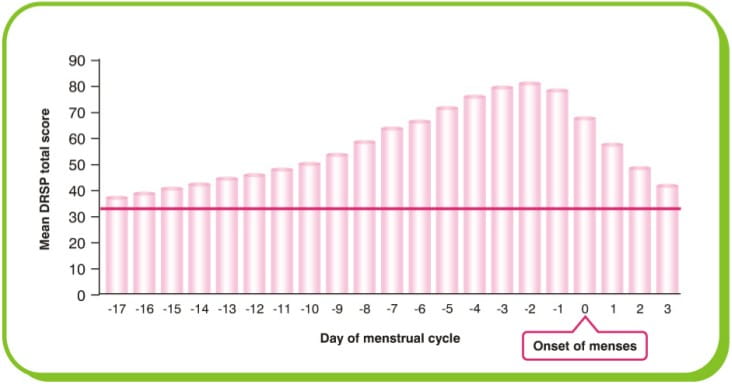
Diagnostic criteria for PMDD have been published by the American Psychiatric Association in the DSM-IV. The PMDD criteria address the timing of the symptoms (which must occur premenstrually and abate after the menstrual period), the severity of the symptoms (which must be sufficient to impair functioning), the character of the symptoms (requiring 5 of 11 specified symptoms that emphasize the dysphoric nature of the disorder) and the exclusion of other physical and emotional disorders.
They include the following:
- In most menstrual cycles during the past year, 5 (or more) of the following symptoms were present for most of the time during the last week of the luteal phase, began to remit within a few days after the onset of the follicular phase, and were absent in the week after menses, with at least one of the symptoms being 1,2,3, or 4:
- Markedly depressed mood, feelings of hopelessness, or self-deprecating thoughts
- Marked anxiety, tension, or feelings of being "keyed up" or "on edge"
- Marked affective lability (e.g., feeling suddenly sad or tearful or increased sensitivity to rejection)
- Persistent and marked anger or irritability, or increased interpersonal conflicts
- Decreased interest in usual activities (e.g., work, school, friends, hobbies)
- Subjective sense of difficulty in concentrating
- Lethargy, easy fatigability, or marked lack of energy
- Marked change in appetite, overeating, or specific food cravings
- Hypersomnia or insomnia
- A subjective sense of being overwhelmed or out of control
- Other physical symptoms, such as breast tenderness or swelling, headaches, joint or muscle pain, a sensation of "bloating," or weight gain
- The disturbance markedly interferes with work or school, or with usual social activities and relationships with others (e.g., avoidance of social activities, decreased productivity and efficiency at work or school).
- The disturbance is not merely an exacerbation of the symptoms of another disorder, such as major depressive disorder, panic disorder, dysthymic disorder, or a personality disorder (although it may be superimposed on any of these disorders).
- Criteria A, B, and C must be confirmed by prospective daily ratings during at least two consecutive symptomatic cycles. (The diagnosis may be made provisionally before this confirmation.)
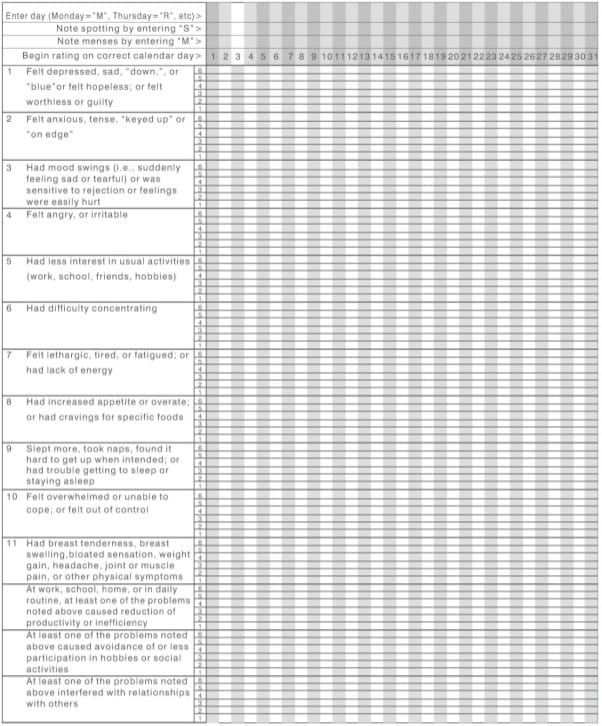
Several validated instruments are available for tracking premenstrual symptoms. The most common tool is called the "Daily Record of Severity of Problems" or DRSR. The DRSP scale has 24 questions that are grouped into 11 distinct symptom items and 3 functional impairment items. The patient rates her symptoms on a scale of 1 -6, wherein the descriptors are as follows: 1 = Not at all; 2 = Minimal; 3 = Mild; 4 = Moderate; 5 = Severe; 6= Extreme.
Each evening note the degree to which you experienced each of the problems listed below. Put an X in the box which corresponds to the severity : 1 - not at all, 2 - minimal, 3 - mild , 4 - moderate , 5 - severe , 6 - extreme.
- Calendar of Premenstrual Experiences (COPE): COPE includes a 4-point scale for each of the 10 most commonly reported physical symptoms and the 12 most commonly reported behavioural symptoms rated daily throughout the menstrual cycle.
- Premenstrual Symptoms Screening Tool - (PSST): The PSST is a simple, user-friendly screening tool to identify women who suffer from severe PMS or PMDD. The questionnaire consists of 10 questions and it establishes quickly if a woman qualifies for PMDD. It is less time consuming and more practical.
- Visual Analogue Scale - (VAS): A VAS scale consists of a 100 mm vertical line with horizontal line anchors at each end where "no symptom" denotes a score of 0 and "severe symptom" means a score of 100.
- Daily Symptom Report - (DSR): The DSR lists 17 common symptoms of premenstrual distress: Irritability, mood swing, nervous tension, anxiety, depression, feeling out of control, poor coordination, confusion, insomnia, crying, fatigue, food cravings, breast tenderness, swelling, cramps, aches and headache. The symptoms are rated at the end of each day using a 5-point scale with the following descriptors: 0 = Not present at all; 1 = Minimal, only slightly apparent to you; 2 = Moderate, aware of symptom but does not affect daily routine; 3 = A lot, continuously bothered by symptom and/or symptom interferes with daily activity; 4 = Severe, symptom is overwhelming, and/or unable to carry out daily activity.
- Premenstrual Tension Syndrome-Observer (PMTS-O) and Self-Rating (PMTS-SR) scales: These scales assess symptoms in ten different domains, including irritability-hostility; tension; efficiency; dysphoria; moodiness; motor coordination; mental-cognitive functioning; eating habits; sexual drive and activity and physical symptoms and social impairment.
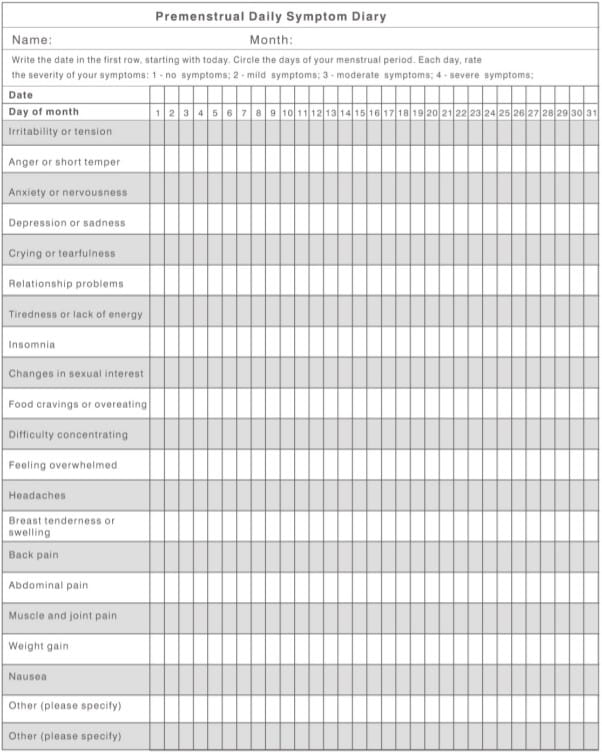
- Premenstrual daily symptom diary - When PMS or PMDD is suspected, patients should be instructed to keep a premenstrual daily symptom diary for several consecutive months so that cycle-to-cycle variability can be examined. Based on this diary, many women may be found to have non-luteal symptom patterns.
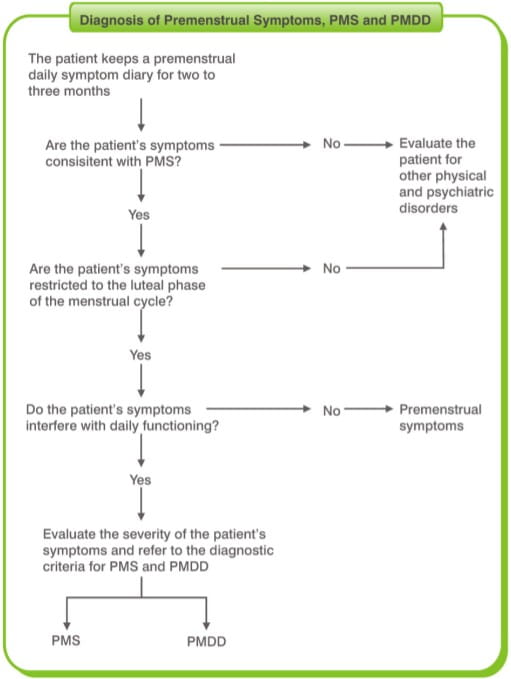
The treatment goals for PMS and PMDD aim to ameliorate or eliminate symptoms, reduce their impact on activities and interpersonal relationships and minimize the adverse effects of treatment.
Lifestyle changes
Treatment should begin with a 2-3 month trial of lifestyle changes, which includes behavioural measures like keeping a symptom diary, getting adequate rest and exercise and making dietary changes.
Recording symptoms in a daily symptom diary may help patients identify optimal times for implementing behavioural and other changes to manage symptom exacerbations. Psychologic interventions such as relaxation therapy and cognitive behavioural therapy show some benefit.
Sleep disturbances, ranging from insomnia to excessive sleep, are common. A structured sleep schedule with consistent sleep and wake times is recommended, especially during the luteal phase.
Exercise, yoga, aerobics, relaxation and stress management may enhance general well-being. Scheduling more challenging and stressful tasks during the first half of the menstrual cycle may also help.
Dietary restrictions may also be useful. Sodium restriction minimizes bloating, fluid retention and breast swelling and tenderness. Restricting caffeine is recommended because of the association between caffeine and premenstrual irritability and insomnia.
Calcium
Plasma calcium levels are lower before menstruation and it was seen that 1,200 mg of elemental calcium daily alleviates tension, anxiety, fluid retention, pain and food cravings in women with PMS. Calcium is inexpensive, is safe during pregnancy and helps maintain bone health. Intake should not exceed 2,000 mg daily.
Magnesium
Women with PMS have lower levels of magnesium in erythrocytes and the leucocytes despite normal plasma magnesium levels. Intracellular magnesium is likely a better indicator of true levels, since magnesium is mostly found within the cells. It is a cofactor in many enzymatic reactions and some believe that supplementation may alleviate some symptoms by correcting any existing deficiency. Replacing magnesium in doses of 200 - 400 mg once daily reduces fluid retention.
Magnesium occasionally causes mild osmotic diarrhoea but is usually well tolerated.
Vitamin B6
Vitamin B6 is a cofactor in neurotransmitter synthesis, so in theory, it may play a role in relieving premenstrual mood symptoms. However, studies using vitamin B6 supplementation show inconsistent results. The Institute of Medicine of the National Academy of Sciences recommends that women should limit vitamin B6 intake to no more than 100 mg daily because of the risk of peripheral neuropathy.
Vitamin E
Vitamin E may relieve some mood and physical symptoms, including anxiety and breast tenderness. It may exert its effect through prostaglandin synthesis or the regulation of central neurotransmitters. Dosage: 400 IU daily.
L-Tryptophan
L-tryptophan is an essential amino acid precursor in the serotonin pathway. It has been shown to reduce hostility and cravings in premenstrual women, but more studies are needed to demonstrate its efficacy. There is one placebo-controlled trial that supports the use of L-tryptophan, 6 g per day, from ovulation until day 3 of menses for the treatment of PMDD.
Evening primrose oil or EPO is a rich source of GLA. This essential omega-6 fatty acid is a prostaglandin precursor. It is believed that women in the premenstrual phase of their cycle are deficient in GLA, leading to symptoms attributable to abnormal prostaglandin synthesis. EPO 3 - 6 g daily, has been used to treat breast tenderness; other putative uses are for irritability and ankle swelling.
Black currant oil and borage seed oil contain a higher content of GLA; however, borage seed oil may contain toxic alkaloids and is not recommended.
Chaste tree extract binds to dopamine receptors and inhibits prolactin release, the levels of which are believed to be high premenstrually, and thereby, perhaps, relieves irritability and breast tenderness.
Black cohosh stimulates oestrogen receptors and is used to treat premenstrual anxiety and breast pain.
Wild yam root contains diosgenin, a compound used in steroid hormone synthesis and converts to progesterone in vitro. However, not much is known about its effects in premenstrual women.
Dong quai is used for PMS and other gynaecological conditions, but no controlled studies support its efficacy.
Kava kava is used to treat premenstrual anxiety.
St John's wort is used to treat mild to moderate depression.
Acupressure and acupuncture are thought to restore the body's normal flow of energy.
Vaginal biofeedback is a therapy in which patients can learn to increase their vaginal temperature, warming the pelvic and vaginal tissue that will emulate the thermogenic effects of progesterone and may relieve symptoms.
Homeopathic remedies may have a role in the treatment of premenstrual symptoms.
Chiropractic and massage therapy may benefit women because it involves high-velocity, low amplitude spinal manipulation and soft-tissue kneading two or three times a week premenstrually.
Massage therapy has also been shown to decrease anxiety, depressed mood and pain immediately after massage sessions. Effects over a 5-week period include reduced pain, menstrual distress and fluid retention.
Reflexology involves applying manual pressure to the reflex points (ears, hands and feet) that correspond to specific areas of the body.
Light therapy, which involves the use of bright white light during the luteal phase of the menstrual cycle, has shown to help women with PMDD. Women with depressive and physical symptoms are most likely to benefit.
Before pharmacologic treatment is considered, the medical history of women with presumed PMS /PMDD should be investigated for conditions such as depression, dysthymic disorder, anxiety disorders, and hypothyroidism.
Since effective treatments do not necessarily reduce all the symptoms equally, assessing improvement using summary scales that evaluate change in many symptoms could obscure a specific effect on a particular symptom. Given that some medications might work better for particular symptoms, treatment should be individualized according to the symptom profile.
Non-steroidal anti-inflammatory drugs (NSAIDs)
Use of NSAIDs, especially mefenamic acid, naproxen sodium and ibuprofen, is based on the theory that PMS symptoms are related to prostaglandin excess.
Mefenamic acid therapy given during the luteal phase is effective in relieving symptoms, but gastrointestinal toxicity prohibits its use.
Naproxen sodium improves physical symptoms and headache in women with PMS. NSAIDs must be used with caution in patients with underlying gastrointestinal or renal disorders.
Ibuprofen, in a dosage of up to 1,000 mg per day, can reduce breast pain, headache, back pain and other pain symptoms, but seems to have limited effect on mood symptoms.,
Selective serotonin reuptake inhibitors (SSRIs)
Because serotonin has been implicated in the pathogenesis of PMS and PMDD, various SSRIs have been tested in these disorders.
SSRIs (e.g., fluoxetine, sertraline, paroxetine, citalopram) have been shown to be effective in more than 60% of treated patients. Treatment only during the luteal phase (10-14 days before menses begins) works as well as full cycle dosing, with fewer adverse effects. SSRIs have a faster onset of action (1-2 days) when used for PMDD than for depression and other psychiatric disorders, possibly due to their ability to alter allopregnanolone levels.
Common SSRI side effects include sexual dysfunction, insomnia, fatigue, nervousness, headache, and nausea.
Other drugs
The other antidepressants (e.g., bupropion, clomipramine, nortriptyline), anxiolytics (e.g., alprazolam) and beta-blockers (e.g., propranolol, atenolol) have been assessed in various controlled studies. There was some relief seen in some symptoms, although a few women discontinued because of adverse events. Their effectiveness was much less than with SSRIs.
Diuretics
Spironolactone, an aldosterone antagonist structurally similar to steroid hormones, is the only diuretic that has been shown to effectively relieve PMS symptoms such as breast tenderness and fluid retention.
Dopamine agonist
Bromocriptine is a dopamine agonist with the ability to reduce prolactin levels and has been shown to be effective for the treatment of premenstrual mastalgia. The exact mechanism of action is not fully understood. It has been suggested that prolactin related fluid retention in the breast may be the cause of pain in women who suffer with mastalgia. Some studies have shown that bromocriptine improves non-breast symptoms such as oedema, bloating, weight gain, depression, insomnia, anxiety and irritability. However, this benefit has not been shown consistently across studies.
Bromocriptine up to 2.5 mg three times per day, days 10 through 26 of menstrual cycle may relieve cyclic mastalgia. Hepatic and renal functions should be evaluated before initiation.
Progesterone and progestogens
The rationale for the use of progesterone and progestogens in the treatment of PMS is based on the hypothesis that the deficiency of progesterone and its derivatives is the cause of PMS. However, there is no consistent evidence of low levels of progesterone in sufferers of PMS. A recent systematic review on the effectiveness of progesterone in the treatment of PMS found that studies differed on the route of administration (oral, rectal or vaginal), dose, duration of treatment and selection of participants.
One of the studies showed a statistically significant improvement with progesterone compared with placebo. Another study found no statistical difference between oral progesterone, vaginally-absorbed progesterone and placebo.
Dydrogesterone, norethisterone and levonorgestrel are progestogens used for PMS therapy on the basis of their progesterone-like action. Progestogens have been shown to produce no clinically significant improvement in the management of PMS.
Oestrogen
Hormonal therapy in PMS is geared towards producing anovulation. There is some evidence that oestrogenic suppression of the ovarian function eliminates PMS. Oestrogen is used in the form of implants, patches or gels. One study with oestradiol implants showed that they were superior to placebo implants in the entire symptom clusters of PMS. These patients were also given oral progestogen in the form of norethisterone 5 mg for 7 days every cycle to prevent endometrial hyperplasia. When progestogens are used to protect the uterus from the untoward side effects of unopposed oestrogen, PMS-like symptoms may be re-introduced. This problem can be managed effectively by using local progestogens, such as levonorgestrel-releasing intra-uterine systems, as this avoids systemic absorption.
GnRH-agonists
GnRH-agonists down-regulate GnRH-receptors, which reduce the luteinizing hormone (LH) and follicle-stimulating hormone (FSH) levels. This subsequently inhibits ovulation, thereby decreasing oestrogen and progesterone levels and the associated hormonal fluctuations, creating a pharmacologic menopause.
GnRH-agonists are reserved mainly for patients with severe symptoms that do not respond to other treatments, as they are expensive and have menopause-like side effects such as hot flashes, headaches, muscle aches, vaginal dryness and irritability. The low-oestrogen state also raises concern about the development of osteoporosis, so treatment should be limited to 6 months. If extended treatment is required, patients should be given supplemental oestrogen and progesterone.
Danazol
Danazol is a weak synthetic androgen that inhibits FSH and LH secretion, thus suppressing ovarian steroid production.
Danazol is related to multiple androgenic and anti-oestrogenic side effects such as amenorrhoea, weight gain, acne, fluid retention, hirsutism, hot flashes, vaginal dryness, and emotional lability, which limits its use.
Combined Oral Contraceptives (COCs)
COCs are a therapeutic approach to reliably produce anovulation. The major trend in the formulation has been a reduction in the doses of both the ethinylestradiol (from 150 mcg to 20-30 mcg) and the progestin components, and more recently, chemical alterations of the progestins to provide less androgenic compounds.
The following table summarizes the pharmacologic profiles of progesterone, 19-nortestosterone and a new progestin called drospirenone, which is structurally unrelated to other classes of progestins and is derived from spironolactone.
Pharmacologic profile of progestins14:
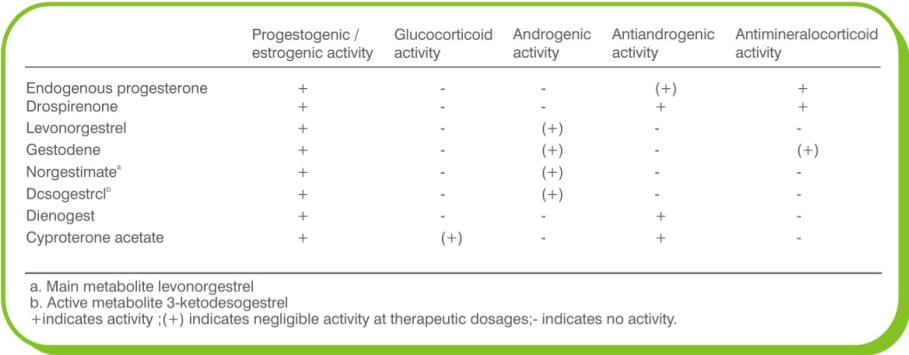
COCs have long been indicated as a safe, reversible form of contraception, but with the new generation progestins, they are even considered for the treatment of cycle-related disorders such as PMS and PMDD.
The new class of COCs that has been recently shown to be effective for treating PMS & PMDD contains a low dose of ethinylestradiol and a new progestin called drospirenone in a novel dose regimen.
The new COC containing drospirenone and ethinylestradiol is available in two formulations:
- Drospirenone 3 mg + 30 mcg ethinylestradiol (<b>crisanta) to be taken for 21 days followed by 7 pill-free days (21 /7 regimen)
- Drospirenone 3 mg + 20 mcg ethinylestradiol (<b>crisanta-LS) to be taken for 24 days followed by 4 pill-free days (24/4 regimen). This regimen and composition, apart from being approved by the U.S. FDA as an oral contraceptive and for the treatment of moderate acne vulgaris, is also approved for the treatment of PMDD.
Drospirenone 3 mg + 30 mcg Ethinylestradiol (dee) and Premenstrual Symptoms14
A survey was done using dee in 15 European countries from September to December 2004, where the women were asked to complete a 4-part questionnaire about why they chose dee and their experiences with it.
A total of 10,947 questionnaires were returned and included in the analysis. Of the respondents,
- 7,694 (70%) had switched to dee from other COCs;
- about 6,797 (62%) stated that they felt better while using dee compared with the time before they started using it;
- severity of all premenstrual symptoms improved during treatment withdee;
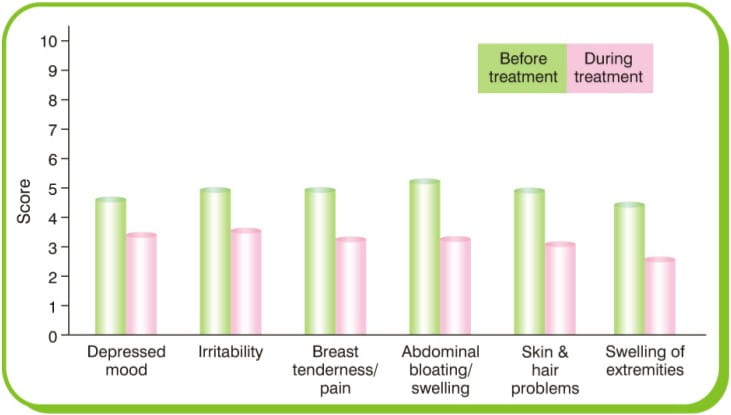
- overall, 10,441 (95%) were satisfied or very satisfied with dee and
- 9,016 (82%) would recommend it to a friend
The average severity score for the premenstrual symptoms experienced, including depression, irritability, breast tenderness or pain, abdominal bloating or swelling and swelling of the extremities, all decreased with dee compared with before its use.
Drospirenone 3 mg + 20 mcg Ethinylestradiol (D+EE) Versus Placebo in Reducing the Symptoms of PMDD15
To compare the efficacy of D+EE with placebo in reducing the symptoms of PMDD, 450 women with symptoms of PMDD were randomized to either D+EE (N=232) or placebo (N=218) for three menstrual cycles. Women aged 18 to 40 years, with a diagnosis of PMDD according to the DSM-IV, were included.
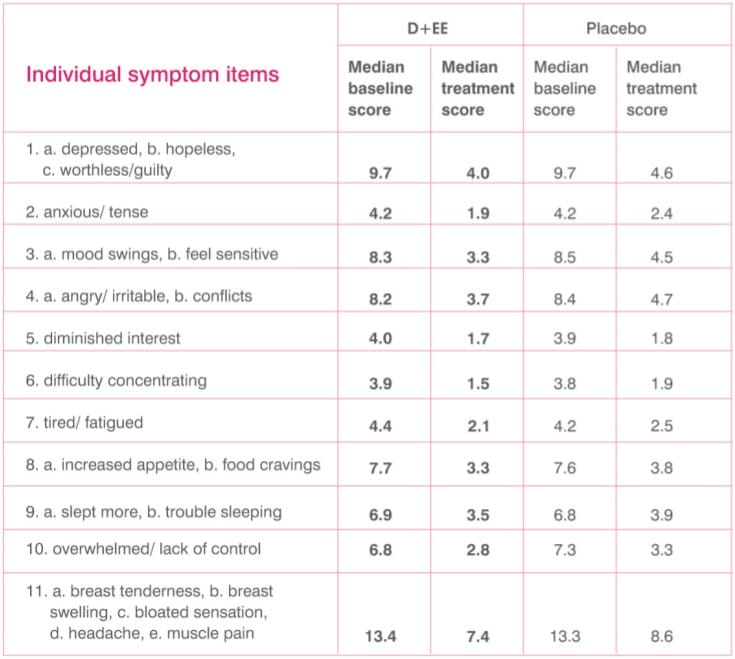
Compared to placebo, D+EE showed a statistically significant decrease in physical, mood and behavioural symptoms.
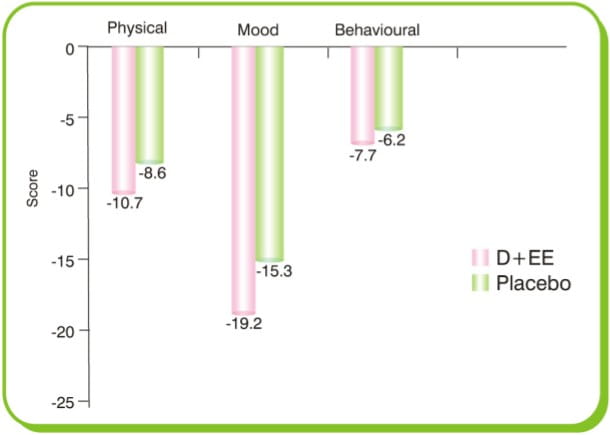
For all 11 distinct items in the DRSP the estimated improvement was significantly greater for subjects assigned to D+EE than for those receiving placebo.
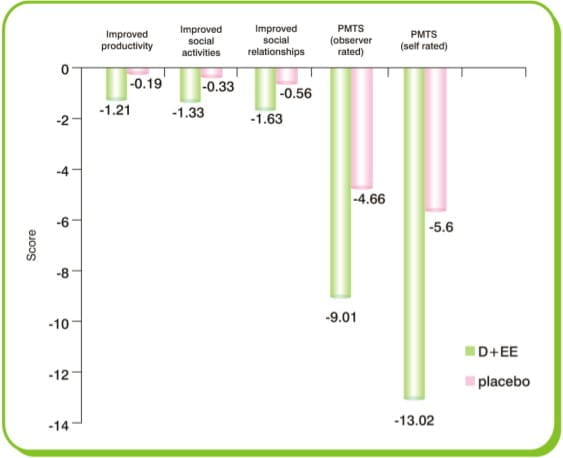
Functional impairment and quality of life domains were also included in the study. The subjects randomized to D+EE experienced significant improvement in productivity (P =.003); enhanced enjoyment in social activities (P=.003); and better quality of relationships (P<.001).
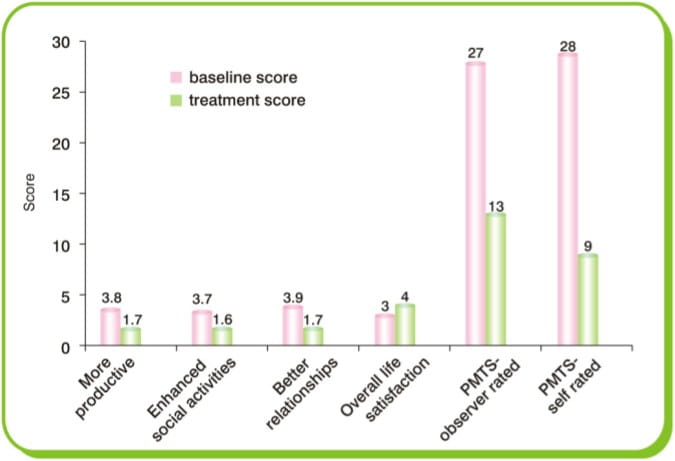
D+EE administered in a 24/4 regimen was more effective than placebo at ameliorating premenstrual symptoms in women with PMDD.
Efficacy of Drospirenone 3 mg + 20 mcg Ethinylestradiol (D+EE) in Treating Symptoms of PMDD16
Another study evaluated the efficacy of D+EE in treating symptoms of PMDD in 64 participants aged 18 to 40 years, as follows:
- 34 patients were randomized to D+EE for three cycles and then after a washout period of one treatment-free cycle, switched to the placebo.
- 30 patients were randomized to placebo for three cycles and then after a washout period of one treatment-free cycle, switched to D+EE.
During the first treatment period, women taking D+EE experienced a 51% improvement in mood, compared with 31 % in the placebo group.
After the crossover, mood improved by 34% for women receiving D+EE, compared with 17% deterioration in mood in the placebo group.
D+EE was also shown to be effective in improving the quality of life in women with PMDD.
The results of this study confirmed that the new low-dose COC formulation containing D+EE constitutes a new treatment option for women who desire both contraception and the treatment of PMDD.
Hysterectomy with bilateral oophorectomy or bilateral oophorectomy is a cure for PMS, but this is rather invasive and rarely justified. Surgery is reserved for severe cases in which other medical treatments have failed to provide any benefit. Although rarely performed, it has been shown that surgery in the form of total abdominal hysterectomy and bilateral salpingo-oophorectomy with appropriate hormone replacement therapy is an extremely effective and well-accepted permanent cure for PMS and PMDD.
The management of PMS & PMDD is complex. At the outset, it is important to establish a precise diagnosis and not rely on the patient's own diagnosis. It is mandatory to separate PMS/PMDD from other diagnoses, particularly depression and anxiety disorders, premenstrual exacerbation of another disorder, or mild physiological symptoms requiring no more than reassurance.
Diagnosis is best achieved through the daily rating of symptoms over at least one menstrual cycle; clinicians can ask patients to choose their worst symptoms and chart the severity daily, or can select a validated scale such as the DRSP. The disappearance of symptoms after menstruation is the key to diagnosis.
There is a wide range of treatment options available, ranging from lifestyle modifications through SSRIs to hormonal treatment (COCs), which are regarded by some as first-line agents in severely affected patients.
1. Am Fam Physician. 2003;67(8): 1743-52
2. Psychoneuroendocrinology. 2003;28(S3):25-37
3. Cleveland Clinic Journal Of Medicine 2004;71 (4):303-321
4. Best Pract Res Clin Obstet Gynaecol. 2008;22(2) :251 -60
5. Am Fam Physician. 2002;66(7): 1239-48
6. Best Pract Res Clin Obstet Gynaecol. 2007;21 (2) :207-220
7. Maturitas2006;55(S1):S47-S54
8. Evening Primrose Oil, 3rd edition, Judy Graham
9. Psychoneuroendocrinology. 2003;28(S3):39-53
10. General hospital psychiatry 1996; 18:244-250
11. Lancet. 2008;371 (9619):1200-10
12. J Affect Disord. 1999;53(3):269-73
13. Psychiatry Res. 1996;65(2) :97-106
14. Treat Endocrinol 2003;2(1):49-70
15. Obstet Gynecol. 2005; 106(3) :492-501
16. Contraception. 2005;72(6):414-21