Phosome:
Liposomal Amphotericin B 10/25
The incidence of fungal infections is increasing at an alarming rate, presenting an enormous challenge to
healthcare professionals. Invasive fungal infections occur in neonates and children with compromised immune
system or when in a critical condition.
With advances in neonatal care and changes in the patient population in neonatal intensive care units (NICUs) the
world over with the inclusion of smaller and smaller neonates, fungal infections have emerged as a significant
cause of morbidity and mortality among such neonates. Mortality due to fungal infections in premature infants
has been consistently reported at more than 20%.1
Children with congenital immunodeficiencies, HIV infections, burn injury and neutropenia are prone to invasive
fungal infections. Fungal infection is also prevalent in patients in the paediatric ICU (PICU). Children
undergoing haematopoietic stem transplant and taking immunosuppressants have a higher risk of acquiring systemic
fungal infections.
Candida albicans (C.albicans) and Aspergillus species are the most prevalent pathogens in systemic
fungal infections, but a recent shift in the burden of disease has seen the emergence of a number of important
non-albicans Candida species in addition to rare infectious agents such as Malasezzia
furfur.2
Although the incidence of fungal infections can be reduced by minimizing risk factors in hospitals such as poor
hygiene practice, the successful management of invasive fungal infection relies on early recognition and rapid
initiation of effective treatment. Empirical antifungal therapy is a standard of care for these infections. The
choice between fluconazole and amphotericin B as initial therapy is based on the clinical status of the patient.
If the patient is clinically stable and has not had previous antifungal treatment, fluconazole is considered the
initial choice but in patients with life-threatening disease, amphotericin B should be started as empiric
therapy.1Some Candida species have reduced susceptibility or resistance to fluconazole, including
C. Albicans in AIDS patients. Amphotericin B is effective against non-albicans Candida, Aspergillus
and Cryptococcus infection.3
So, the recent development of resistance to azoles and increased prevalence of fungal infections have
re-emphasized the value of amphotericin B. Amphotericin B is fungicidal with broad-spectrum coverage and
exhibits minimal risk for the development of resistance. However, the usefulness of the conventional
amphotericin B deoxycholate formulation is limited by its well-known dose-limiting nephrotoxicity.4
The use of phospholipid vesicles, known as liposomes, as a target drug delivery system for amphotericin B came
into existence in an attempt to attenuate its nephrotoxicity and increase in therapeutic potential.
Amphotericin B has a broad spectrum of coverage and has remained the drug of choice for life-threatening invasive
fungal infections. However, adverse events, particularly renal impairment, are limiting factors in achieving the
right dosage. Lipid formulations offer a better therapeutic index by circumscribing amphotericin B toxicity.
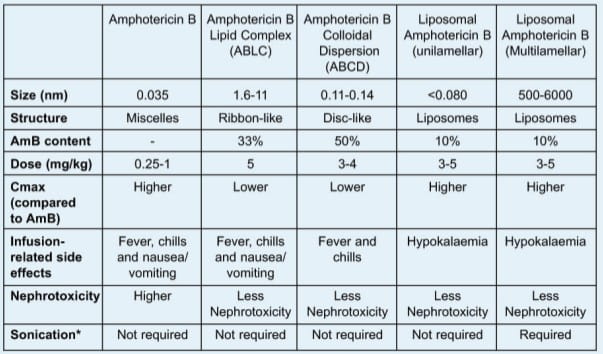
Three lipid formulations are available liposomal amphotericin B, the only true liposome; Amphotericin B
Colloidal Dispersion, composed of disc-like structures; and Amphotericin B Lipid Complex, with a ribbon-like
structure.3
Liposomes are biodegradable vesicles that consist of an aqueous environment surrounded by phospholipid bilayers.
Water-soluble and fat-soluble substances, including drugs, enzymes and genes, have been successfully entrapped
in the aqueous phase or incorporated into the lipid layer itself.
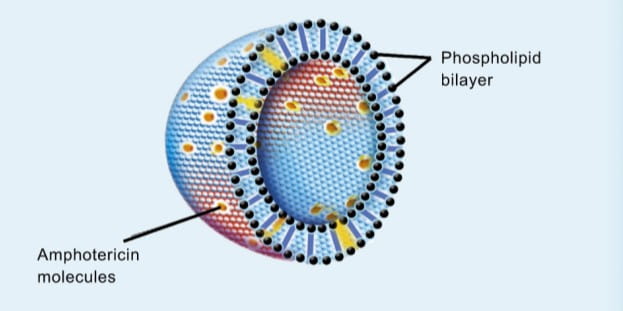
Amphotericin B is a polyene antibiotic with an optimal molecular structure for liposomal incorporation.
Entrapment of amphotericin B into liposomes would increase its therapeutic index through selective transfer of
the drug to the target fungal cell, with reduced uptake into human cells.
Following intravenous administration, uptake by the reticuloendothelial system accounts for the major disposition
of liposomes. Monocytes/macrophages in peripheral blood take up the drug-laden liposomes and transport them to
the site of inflammation/infection. Once the drug-laden liposomes or complexes reach the site of action, free
active drug is released.4
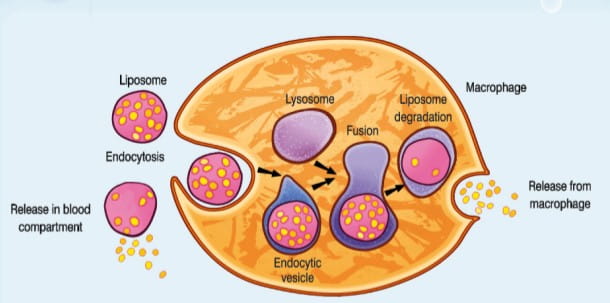
In addition, liposomes also get distributed to various tissues by association with circulating lipoproteins in
the bloodstream. In vitro studies suggest that liposomal amphotericin B delivers amphotericin B to fungal cells
by liposomal fusion with the cell membrane. Liposomes bind to fungal cell walls, where they are disrupted and
the drug is released.6
Thus, liposomal amphotericin B distributes minimally to the kidneys, heart and lungs and concentrates primarily
in the spleen and liver. This correlates with the reduced nephrotoxicity of liposomal amphotericin
B.4
Amphotericin B, after being released from the liposomes, transfers through the cell wall and binds to ergosterol
in the fungal cell membrane. This mechanism of action results in its potent in vitro fungicidal activity while
the integrity of the liposome is maintained in the presence of mammalian cells, for which it has minimal
toxicity. Thus, it shows activity at the sites of inflammation/infection.6
Disseminated fungal infections are a major problem in high-risk neonates. This study was the largest one reported
on use of liposomal amphotericin B in newborn infants with severe and prolonged fungal infections. The objective
was to determine the efficacy and safety of liposomal amphotericin B in neonates.
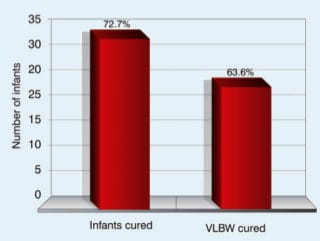
In this study, 44 newborn (40 preterm and 4 full term) infants with severe fungal infections were enrolled. They
were administered liposomal amphotericin B at an initial daily dose of 1 mg/kg of body weight; this was
increased stepwise by 1 mg/kg to a maximal dose of 5 mg/kg. The infusion time was 30-60 minutes.
Before the treatment and twice a week during treatment, blood urea nitrogen (BUN), serum creatinine, total and
direct bilirubin, serum aspartate transaminase, serum alanine transaminase, alkaline phosphatase, serum
electrolytes and blood cell count were measured to detect the onset of adverse effects.
n=44
Dosage: 1mg/kg - 5 mg/kg body weight
Duration of therapy: 14 - 6 days
Liposomal amphotericin B resulted in a successful cure in 72.7% infants and 63.6% very low birth weight (VLBW)
infants. The non-response to treatment in 12 cases might have been the result of a late diagnosis caused, in
turn, by non-specific signs of fungal infections.
Liposomal amphotericin B administration was not associated with fever, chills or phlebitis at the infusion sites.
Blood pressure, hepatic, renal or haematological indices were within normal range, except for hypokalaemia
(serum potassium <3.0 mEq/l) in 16 infants during treatment.
The results confirm the effectiveness and safety of liposomal amphotericin B in neonatal fungal infections.
Amphotericin B is considered the treatment of choice for some of the systemic fungal infections, but adverse
effects may limit its use. An alternative option for the treatment of candidiasis includes lipid preparations of
amphotericin B.
The objective of this study was to compare the effectiveness and tolerability of three antifungal preparations
'amphotericin B, liposomal amphotericin B and amphotericin B colloidal dispersion ' in the treatment of
neonatal Candida bloodstream infection (CBSI).
Fifty-six infants hospitalized in the neonatal intensive care unit from 1996 to 2000 with CBSI were enrolled.
Patients with a serum creatinine concentration of <1.2 mg/dL received amphotericin B, and those with serum
creatinine >1.2 mg/dL received liposomal amphotericin B or amphotericin B colloidal dispersion.
Complete blood counts and renal and hepatic function tests were obtained before, during and after treatment. If
cultures were positive for more than 10 days with clinical signs of fungal infection and/or persistent
thrombocytopenia, a second antifungal drug was added.
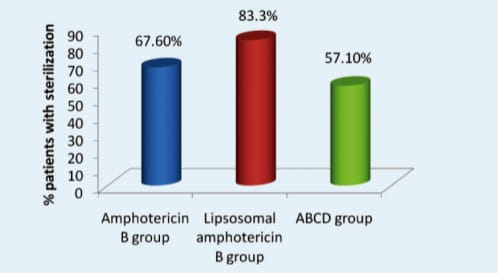
Sterilization of blood was achieved with amphotericin B in 67.6% patients, liposomal amphotericin B in 83.3%, and
amphotericin B colloidal dispersion in 57.1% when used as monotherapy. No differences between the groups in the
time to resolution of fungaemia were seen.
Though there was no deterioration of renal function during treatment, potassium supplementation was required by
47% of infants in the amphotericin B group and in none of the infants in the liposomal amphotericin B and
amphotericin B colloidal dispersion groups. Liver function test increased marginally and non-significantly in
infants receiving amphotericin B and to a lesser extent after receiving liposomal amphotericin B.
Amphotericin B colloidal dispersion and liposomal amphotericin B have been found useful for the treatment of
invasive fungal infections in adults and children when amphotericin B is contraindicated because of impaired
renal function or concomitant use of other nephrotoxic agents and in cases of treatment failure.
In this prospective, historical control, multicentre study, the safety and efficacy of liposomal amphotericin B
for the treatment of systemic candidiasis in very low birth weight (VLBW) infants was investigated.
Data from 26 VLBW infants treated with liposomal amphotericin B in the study group were compared with data from
20 VLBW infants treated with amphotericin B as a historical control. Liposomal amphotericin B was administered
with a beginning dosage of 1-3mg/kg/day, which was incrementally increased daily up to a maximum dosage of
5mg/kg/day. Amphotericin B was administered daily at a dosage of 0.5-1 .Omg/kg/day.
The fungal eradication rate, fungal eradication time and the duration of anti-fungal therapy in the two groups
were compared. The incidence of renal toxicity, hepatotoxicity, hypokalemia, thrombocytopenia and fever in the
two groups were evaluated to determine side effects and safety. The concentrations of creatinine, electrolytes,
transaminase levels and urine output were determined before the onset of treatment. 24 hours following the last
dosage and at peak levels following treatment.
There is no significant difference in efficacy.
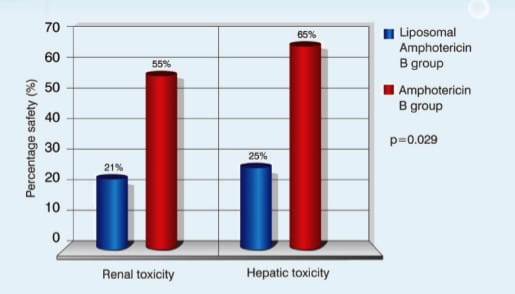
The incidence of renal toxicity, defined as a 50% increase in the serum creatinine level, was lower in the
liposomal amphotericin B group.
The incidence of hepatotoxicity, defined as a 100% increase in the serum alanine aminotransferase level, was
significantly lowerfor the liposomal amphotericin B group.
Hence, liposomal amphotericin B is effective and safe for treating systemic fungal infections in very low birth
weight infants.
Invasive fungal infections are an important cause of morbidity and mortality in severely immunocompromised
children with cancer, and following blood stem cell transplantation.
In a single-centre, non-comparative, prospective observational study, 84 children and adolescents with cancer or
undergoing haematopoietic stem cell transplantation were enrolled to access the safety, tolerance and efficacy
of liposomal amphotericin B.
Liposomal amphotericin B was administered intravenously at dosages individually for prophylaxis (32), as
empirical therapy (83), or as treatment of presumed (19) or documented invasive fungal infections (7). The mean
duration of therapy was 13 days and the median maximum dosage was 2.8 mg/kg. In the majority of courses,
liposomal amphotericin B was administered as monotherapy. Post-therapeutic follow-up was at least until 3 months
after the end of treatment in cases of patients survival. Laboratory parameters of renal and hepatic organ
function were recorded at baseline and at the end of treatment.
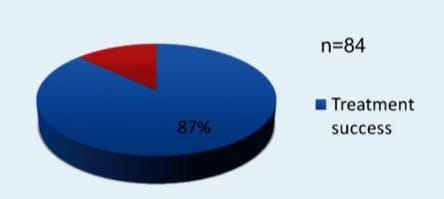
Altogether, 87% patients responded to treatment. Overall survival was 94% at the end of the treatment and 90% at
3 months post-treatment.
Also, 89.5% patients with possible pulmonary aspergillosis responded to treatment.
While median hepatic transaminase, alkaline phosphatase and blood urea nitrogen values were slightly higher at
the end of treatment, bilirubin and creatinine values were not different from baseline. Clinical and laboratory
adverse events were mostly mild to moderate, with the rate of discontinuation due to drug-related adverse events
being less than 5%.
Liposomal amphotericin B had acceptable safety and was useful in prevention and treatment in paediatric patients
undergoing treatment for cancer or undergoing haematopoietic stem cell transplantation.
Visceral leishmaniasis is a parasitic disease caused by Leishmania donovani and transmitted by the
sandfly. Phlebotomus argentipes. It has been one of the major health problems in the state of Bihar in
India for the past three decades or more. In fact, 90% of all cases in India are reported from Bihar alone and
also from West Bengal and Uttar Pradesh.12 Nearly half of the visceral leishmaniasis cases occur in
children.
Pentavalent antimonial drugs have been considered the standard treatment for visceral leishmaniasis for more than
60 years. However, during the last decade, the emergence of Leishmania strains resistant to pentavalent
antimonials in certain geographical areas, coupled with drug toxicity and prolonged administration, has prompted
the evaluation of alternative drugs, including the lipid formulations of amphotericin B. Liposomal amphotericin
B is the only drug approved by the US FDA for the treatment of any visceral leishmaniasis. Indian kala-azar
responds best to liposomal amphotericin B.
In a retrospective study, 164 children (aged 0 to 14 years) consecutively diagnosed with visceral leishmaniasis
and treated with six intravenous doses of 3mg/kg liposomal amphotericin B on days 1-5 and on 10th day
(a total dose of 18mg/kg) were evaluated.
Demographic data, nutritional status, underlying diseases, clinical and laboratory findings, and therapy outcome
were considered. Clinical response was assessed at the completion of treatment on 10th day. All
relapses were successfully re-treated with 3mg/kg liposomal amphotericin B for 10 consecutive days.
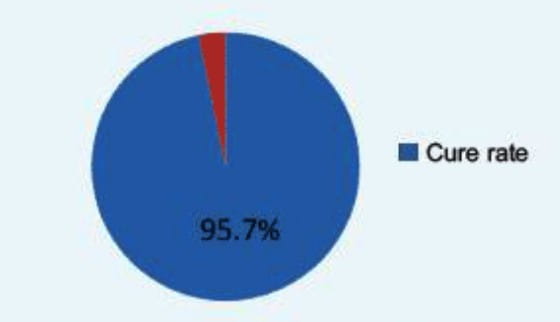
Liposomal amphotericin B induced a cure rate of 95.7%. No patients had any adverse events related to drug
infusion. Compared to pentavalent antimonial compounds, liposomal amphotericin B caused faster reduction in
spleen size, correction of haematological parameters and defervescence compared to pentavalent antimony
compounds.
Hence, liposomal amphotericin B is safe and effective for the treatmentof visceral leishmaniasis in children.
PHOSOME 10
Each vial contains:
Amphotericin BIP encapsulated in liposomes.... 10mg
PHOSOME 25
Each vial contains:
Amphotericin BIP encapsulated in liposomes.... 25mg
PHOSOME 50
Each vial contains:
Amphotericin BIP encapsulated in liposomes.... 50mg
Injectable powder (lyophilised) for liposomal suspension
PHOSOME for Injection is a sterile, non-pyrogenic lyophilised product for intravenous infusion. Each vial
contains 10/25/50mg of amphotericin B, IP, intercalated into a liposomal membrane.
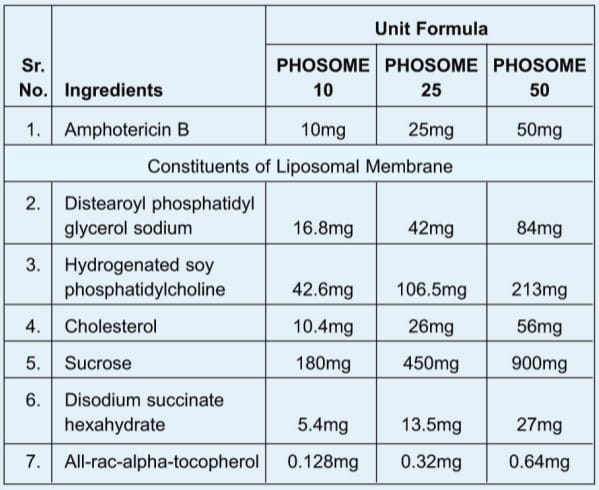
Following reconstilulion with Sterile Water for Injection. EP. The resulting pH of the suspension is between 5
and 6.
PHOSOME is a true single bilayer liposomal drug delivery system. Liposomes are closed, spherical vesicles
created by mixing specific proportions of amphophilic substances such as phospholipids and cholesterol so that
they arrange themselves into multiple concentric bilayer membranes when hydrated in aqueous solutions. Single
bilayer liposomes are then formed by the microemulsification of multilamellar vesicles using a homogenizer.
PHOSOME consists of these unilamellar bilayer liposomes with amphotericin B intercalated within the
membrane. Due to the nature and quantity of the amphophilic substances used, and the lipophilic moiety in the
amphotericin 6 molecule, the drug is an integral part of the overall structure of the PHOSOME liposomes
PHOSOMEcontains true liposomes that are less than 100 nm in diameter.
Aschematic depiction of the liposome is presented below:
Amphotericin B is a macrocyclic, polyene, antifungal antibiotic produced from a strain of Streptomyces
nodosus.
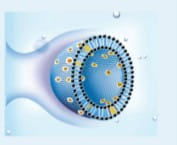
Note: Liposomal encapsulation or incorporation into a lipid complex can substantially affect a drug's
functional properties relative to those of the unencapsulated drug or the non-lipid-associated drug. In
addition, different liposomal or lipid-complex products with a common active ingredient may vary from one
another in the chemical composition and physical form of the lipid component. Such differences may affect the
functional properties of these drug products.
Pharmacodynamics
Mechanism of Action
Amphotericin B, the active ingredient of liposomal amphotericin B, acts by binding to the sterol component of a
cell membrane, leading to alterations in the cell permeability and cell death. While amphotericin B has a higher
affinity for the ergosterol component of the fungal cell membrane, it can also bind to the cholesterol component
of the mammalian cell, leading to cytotoxicity. The liposomal preparation of amphotericin B has been shown to
penetrate the cell wall of both extracellular and intracellular forms of susceptible fungi.
Activity In Vitro and in Vivo
Liposomal amphotericin B has shown in vitro activity comparable to amphotericin B against the following
organisms: Aspergillus species (A. Fumigatus, A. Flavus), Candida species (C. Albicans. C. Krusei, C.
Lusitaniae. C. Parapsilosis, C. Tropicalis). Cryptococcus neoformans, and Blastomyces dermatitidis.
However, standardized techniques for susceptibility testing of antifungal agents have not been established and
results of such studies do not necessarily correlate with clinical outcome.
Liposomal amphotericin B is active in animal models against Aspergillus fumigatus, C. Albicans, C. Krusei. C.
Lusitaniae. Cryptococcus neoformans, Blastomyces dermatitidis, Coccidioides immitis, Histoplasma capsulatum,
Paracoccidioides brasiliensis, Leishmania donovani and Leishmania infantum. The administration of
liposomal amphotericin B in these animal models demonstrated the prolonged survival of infected animals,
reduction of microorganisms from target organs, or a decrease in lung weight.
Drug Resistance
Mutants with decreased susceptibility to amphotericin B have been isolated from several fungal species after
serial passage in culture media containing the drug, and from some patients receiving prolonged therapy. Drug
combination studies in vitro and in vitro suggest that imidazoles may induce resistance to
amphotericin B. However, the clinical relevance of drug resistance has not been established.
Pharmacokinetics
The assay used to measure amphotericin B in the serum after administration of liposomal amphotericin B does not
distinguish amphotericin B that is made complex with the phospholipids of liposomal amphotericin B from the
amphotericin B that is uncomplex. The pharmacokinetic profile of amphotericin B after administration of
liposomal amphotericin B is based upon the total serum concentrations of amphotericin B. The pharmacokinetic
profile of amphotericin B was determined in febrile neutropenic cancer and bone marrow transplant patients who
received 1-2 hour infusions ranging from 1 to 5 mg/kg/day liposomal amphotericin B for 3-20 days. The
pharmacokinetics of amphotericin B after administration of liposomal amphotericin B is non-linear such that
there is a greater than proportional increase in the serum concentrations with an increase in dose from 1 to 5
mg/kg/day.
Distribution
Based on total amphotericin B concentrations measured within a dosing interval (24 hours) after administration of
liposomal amphotericin B, the mean half-life was 7-10 hours. However, based on the total amphotericin B
concentration measured up to 49 days after dosing of liposomal amphotericin B, the mean half-life was 100-153
hours. The long terminal elimination half-life is probably a slow redistribution from the tissues. Steady-state
concentrations were generally achieved within 4 days of dosing.
Mean trough concentrations of amphotericin B, although variable, remained relatively constant with repeated
administration of the same dose over the range of 1 to 5 mg/kg/day, indicating no significant drug accumulation
in the serum.
Metabolism
The metabolic pathways of amphotericin B after administration of liposomal amphotericin B are not known.
Excretion
The mean clearance at the steady state was independent of dose. The excretion of amphotericin B after the
administration of liposomal amphotericin B has not been studied.
The pharmacokinetics of liposomal amphotericin B in paediatric patients has not been studied; however, it has
been used in paediatric patients.
PHOSOME is indicated for the following:
- Empirical therapy for presumed fungal infection in febrile, neutropenic patients
- Treatment of cryptococcal meningitis in HIV-infected patients
- Treatment of patients with Aspergillus species, Candida species and/or Cryptococcus species
infections (seeDOSAGE AND ADMINISTRATION for the treatment of cryptococcal meningitis)
refractory to amphotericin B deoxycholate, or in patients where renal impairment or unacceptable toxicity
precludes the use of amphotericin B deoxycholate
- Treatment of visceral leishmaniasis. In immunocompromised patients with visceral leishmaniasis treated with
liposomal amphotericin B, relapse rates were high following the initial clearance of parasites.
- See DOSAGE AND ADMINISTRATION for recommended doses by indication.
PHOSOME should be administered by intravenous infusion, using a controlled infusion device, over a period
of approximately 120 minutes.
An in-line membrane filter should be used for the intravenous infusion of PHOSOME. the pore diameter of
the filter is 5 microns.
NOTE: An existing intravenous line must be flushed with 5% Dextrose Injection prior to the infusion of
PHOSOME. If this is not feasible, it must be administered through a separate line.
Infusion time may be reduced to approximately 60 minutes in patients in whom the treatment is well-tolerated. If
the patient experiences discomfort during the infusion, the duration of infusion may be increased.
The recommended initial dosage of PHOSOME for each indication for adult and paediatric patients is as
follows:
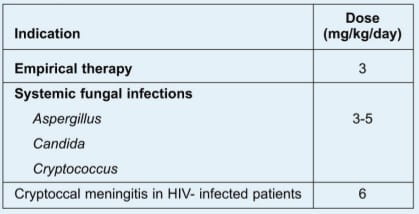
Dosing and rate of infusion should be individualized to the needs of the specific patient to ensure maximum
efficacy while minimizing systemic toxicities or adverse events.
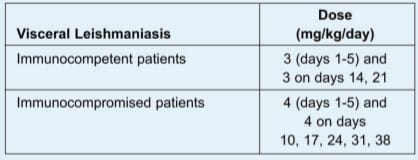
For Immunocompetent patients who do not achieve parasitic clearance with the recommended dosage, a repeat
course of therapy may be useful.
For immunocompromised patients who do not clear parasites or who experience relapses, expert advice
regarding further treatment is recommended.
Directions for Reconstitut ion. Filtration and Dilution
Read this entire section carefully before beginning reconstitution.
PHOSOME must be reconstituted using Sterile Water for Injection, USP (without a bacteriostatic agent).
Vials of PHOSOME containing amphotericin B are prepared as follows:
Reconstitution
- Aseptically add Sterile Water for Injection, USP. To each PHOSOME vial to yield a preparation
containing 4 mg amphotericin B/mL.
50mg strength
Sterile Water for Injection to be used for reconstitution: 12ml
25mg strength
Sterile Water for Injection to be used for reconstitution: 6ml
1Qmg strength
Sterile Water for Injection to be used for reconstitution: 2.4ml
CAUTION: DO NOT RECONSTITUTE WITH SALINE OR ADD SALINE TO THE RECONSTITUTED CONCENTRATION, OR MIX WITH
OTHER DRUGS. The use of any solution other than those recommended, or the presence of a
bacteriostatic agent in the solution, may cause precipitation of PHOSOME.
- Immediately after the addition of water, SHAKE THE VIAL VIGOROUSLY for 30 seconds to completely
disperse PHOSOME. It forms a yellow, translucent suspension. Visually inspect the vial for
particulate matter and continue shaking until completely dispersed.
Filtration and Dilution
-
- Calculate the amount of reconstituted (4mg/ml) PHOSOME to be further diluted.
- Withdraw this amount of reconstituted PHOSOME into a sterile syringe.
- Attach the 5-micron filter provided to the syringe. Inject the syringe contents through the filter
into the appropriate amount of 5% Dextrose Injection. (Use only one filter per vial)
- PHOSOME must be diluted with 5% Dextrose Injection to a final concentration of 1-2mg/ml prior
to administration. Lower concentrations (0.2-0.5mg/ml) may be appropriate for infants and small
children, so as to provide sufficient volume for infusion. DISCARD PARTIALLY USED VIALS.
PHOSOME is conlraindicated in those patients who have demonstrated or have known hypersensitivity to
amphotericin B deoxycholate or any other constituents of the product unless, in the opinion of the treating
physician, the benefit of the therapy outweighs the risk.
Warnings and Precautions
Anaphylaxis has been reported with amphotericin B deoxycholate and other amphotericin B-containing drugs,
including liposomal amphotericin B. If a severe anaphylactic reaction occurs, the infusion should be immediately
discontinued and the patient should nol receive further infusions of PHOSOME.
General
As with any amphotericin B-containing product, PHOSOME should be administered by medically trained personnel.
During the initial dosing period, patients should be under close clinical observation. Liposomal amphotericin B
has been shown to be significantly less toxic than amphotericin B deoxycholate; however, adverse events may
still occur.
Laboratory Tests
Patient management should include laboratory evaluation of renal, hepatic and haematopoietic function, and of
serum electrolytes (particularly magnesium and potassium).
Drug Interactions
No formal clinical studies of drug interactions have been conducted with liposomal amphotericin B. However, the
following drugs are known to interact with amphotericin B and may interact with liposomal amphotericin B:
Antineoplastic Agents
Concurrent use of antineoplastic agents may enhance the potential for renal toxicity, bronchospasm and
hypotension. Antineoplastic agents should be given concomitantly with caution.
Corticosteroids and Corticotropin (ACTH)
Concurrent use of corticosteroids and ACTH may potentiate hypokalemia, which could predispose the patient to
cardiac dysfunction. If used concomitantly, serum electrolytes and cardiac function should be closely monitored.
Digitalis Glycosides
Concurrent use may induce hypokalemia and may potentiate digitalis toxicity. When administered concomitantly,
serum potassium levels should be closely monitored.
Flucytosine
Concurrent use of flucytosine may increase the toxicity of flucytosine by possibly increasing its cellular uptake
and/or impairing its renal excretion.
Azoles (e.g. Ketoconazole, miconazole, clotrimazole, fluconazole, etc.)
In vitro and in vivo animal studies of the combination of amphotericin B and imidazoles suggest
that imidazoles may induce fungal resistance to amphotericin B. Combination therapy should be administered with
caution, especially in immunocompromised patients.
Leucocyte Transfusions
Acute pulmonary toxicity has been reported in patients simultaneously receiving intravenous amphotericin B and
leucocyte transfusions.
Other Nephrotoxic Medications
Concurrent use of amphotericin B and other nephrotoxic medications may enhance the potential for drug-induced
renal toxicity. Intensive monitoring of renal function is recommended in patients requiring any combination of
nephrotoxic medications.
Skeletal Muscle Relaxants
Amphotericin B-induced hypokalemia may enhance the curariform effect of skeletal muscle relaxants (e.g.
Tubocurarine). When administered concomitantly, serum potassium levels should be closely monitored.
Renal impairment
The effect of renal impairment on the disposition of amphotericin B after administration of liposomal
amphotericin B has not been studied. However, liposomal amphotericin B has been successfully administered to
patients with pre-existing renal impairment.
Hepatic impairment
The effect of hepatic impairment on the disposition of amphotericin B after administration of liposomal
amphotericin is not known.
Pregnancy
Pregnancy Category B
There have been no adequate and well-controlled studies of liposomal amphotericin B in pregnant women. Systemic
fungal infections have been successfully treated in pregnant women with amphotericin B deoxycholate, but the
number of cases reported has been small.
Liposomal amphotericin B should be used during pregnancy only if the possible benefits lo be derived outweigh the
potential risks involved.
Lactation
Many drugs are excreted in human milk. However, it is not known whether liposomal amphotericin B is excreted in
human milk. Due to the potential for serious adverse reactions in breastfed infants, a decision should be made
whether to discontinue nursing or whether to discontinue the drug, taking into account the importance of the
drug to the mother.
Paediatric Use
The pharmacokinetics of amphotericin B after the administration of liposomal amphotericin B in paediatric
patients has not been studied; however, liposomal amphotericin B has been used in paediatric patients.
Paedialric patients, aged 1 month to 16 years, with presumed fungal infection (empirical therapy), confirmed
systemic fungal infections or with visceral leishmaniasis have been successfully treated with liposomal
amphotericin B. Safety and effectiveness in paediatric patients below the age of 1 month have not been
established.
Geriatric Use
The pharmacokinetics of amphotericin B after the administration of liposomal amphotericin B in elderly patients
has not been studied; however, liposomal amphotericin B has been used in elderly patients. As with most other
drugs, elderly patients receiving liposomal amphotericin B should be carefully monitored.
Gender and Ethnicity
The effect of gender or ethnicity on the pharmacokinetics of amphotericin B after the administration of liposomal
amphotericin B is not known,
The following adverse events are based on the experience of 592 adult patients (295 treated with liposomal
amphotericin B and 297 treated with amphotericin B deoxycholate) and 95 paediatric patients (48 treated with
liposomal amphotericin B and 47 treated with amphotericin B deoxycholate) in a randomized double-blind,
multicentre study in febrile, neutropenic patients. Liposomal amphotericin B and amphotericin B were infused
over 2 hours.
The incidence of common adverse events (incidence of 10% or greater) occurring with liposomal amphotericin B
compared to amphotericin B deoxycholate, regardless of relationship to the study drug, is shown in the following
table:
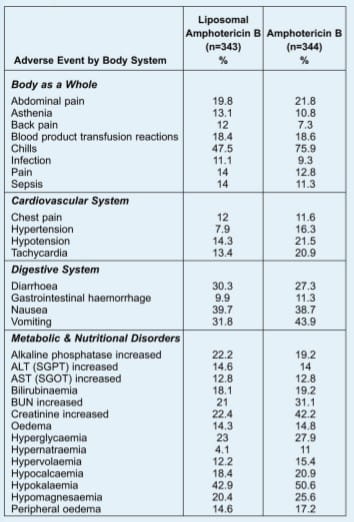
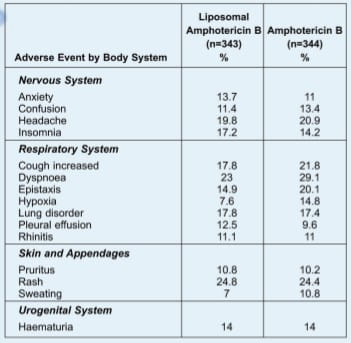
Liposomal amphotericin B was well-tolerated. Liposomal amphotericin B had a lower Incidence ol chills,
hypertension, hypotension, tachycardia, hypoxia, hypokalemia and various events related to decreased kidney
(unction, compared to amphotericin B deoxycholate.
Infusion-related reactions
In a large, double-blind study of paediatric and adult febrile neutropenic patients, in whom no pre-medication to
prevent infusion-related reactions was administered, liposomal amphotericin B-treated patients had a lower
incidence of infusion-related fever (17% versus 44%), chills/rigors (18% versus 54%) and vomiting (6% versus 8%)
on day 1 as compared to amphotericin B deoxychotate-treated patients.
Less Common Adverse Events
in six comparative, clinical trials, the following adverse events have also been reported in 2-10% of liposomal
amphotericin B-treated patients receiving chemotherapy or who have had bone marrow transplantation, or had HIV
disease:
Body as a Whole: Abdomen enlarged, allergic reaction, cellulitis, cell-mediated immunological
reaction, face oedema, graft versus host disease, malaise, neck pain and procedural complication.
Cardiovascular System: Arrhythmia, atrial fibrillation, bradycardia, cardiac arrest,
cardiomegaly. Haemorrhage, postural hypotension, valvular heart disease, vascular disorder and vasodilatation
(flushing).
Digestive System: Anorexia, constipation, dry mouth/nose, dyspepsia, dysphagia, eructation,
(aecal incontinence, flatulence, haemorrhoids, gum/oral haemorrhage, haematemesis, hepatocellular damage,
hepatomegaly, liver function test abnormal, ileus, mucositis, rectal disorder, stomatitis, ulcerative stomatitis
and veno-occlusive liver disease.
Haemic & Lymphatic System: Anaemia, coagulation disorder, ecchymosis. Fluid overload,
petechia, prothrombin decreased, prothrombin increased and thrombocytopenia.
Metabolic & Nutritional Disorders: Acidosis, amylase increased, hyperchloraemia.
Hyperkalemia, hypermagnesaemia, hyperphosphataemla, hyponalraemla. Hypophosphataemia. Hypoproleinaemia. Lactate
dehydrogenase increased, non-protein nitrogen (NPN) increased and respiratory alkalosis.
Musculoskeletal System:Arthralgia, bone pain, dystonia, myalgia and rigors.
Nervous System: Agitation, coma, convulsion, cough, depression, dysaesthesia, dizziness,
hallucinations, nervousness, paraesthesia. Somnolence, thinking abnormality and tremor.
Respiratory System:Asthma, atelectasis, haemoptysis, hiccup, hyperventilation, influenza-like
symptoms, lung oedema, pharyngitis, pneumonia, respiratory insufficiency, respiratoryfailure and sinusitis.
Skin & Appendages: Alopecia, dry skin, herpes simplex, injection site inflammation,
maculopapular rash, purpura, skin discolouration, skin disorder, skin ulcer, urticaria and vesiculobullous rash.
Special Senses:Conjunctivitis, dry eyes and eye haemorrhage.
Urogenital System: Abnormal renal function, acute kidney failure, acute renal failure, dysuria.
Kidney failure, toxic nephropathy, urinary incontinence and vaginal haemorrhage
The following infrequent adverse experiences have been reported in postmarketing surveillance, in addition to
those mentioned above: anglo-oedema, erythema, urticaria, bronchospasm. Cyanosisrtiypoventilation, pulmonary
oedema, agranulocytosis and haemorrhagic cystitis.
Clinical Laboratory Values:
The effect of liposomal amphotericin B on renal and hepatic function and on serum electrolytes was assessed from
laboratory values measured repeatedly in a double-blind, randomized study The frequency and magnitude of hepatic
test abnormalities were similar in the liposomal amphotericin B and amphotericin B groups. Nephrotoxicity was
defined as creatinine values increasing 100% or more over pre-treatment levels in paediatric patients, and
creatinine values increasing 100% or more over pre-treatment levels in adult patients (provided the peak
creatinine concentration was >12 mq/dL) Hypokalemia was defined as potassium levels ≥ 2.5 mmol/Lany time
during the treatment.
Incidence of nephrotoxicity, mean peak serum creatinine concentration, mean change from baseline in serum
creatinine and incidence of hypokalemia in the study were lower in the liposomal amphotericin B group.
The toxicity of liposomal amphotericin B due to overdosage has not been defined. Repeated daily doses of up to 10
mg/kg in paediatric patients and 15 mg/kg in adult patients have been administered in clinical trials with no
reported dose-related toxicity.
If overdosage should occur, cease administration immediately. Symptomatic supportive measures should be
instituted. Particular attention should be given to monitoring renal function. Haemodialysls or peritoneal
dialysis does not appear to significantly affect the elimination of liposomal amphotericin B.
See DOSAGE AND ADMINISTRATION
24 months
- Store at temperatures between 2-8°C
- Protect from light and moisture
After reconslitution
From a microbiological point ot view, once reconstituted, the product must be used immediately. Where
reconslitution is conducted under controlled and validated aseptic conditions the following may be used in
determining use periods. Chemical and physical in-use stability ol reconstituted PHOSOME (liposomal
amphotericin B) have been demonstrated for storage as follows:
- Glass vials: 24 hours at 25 ± 2°C exposed to ambient light
- Glass vials: up to 7days at 2-8°C
Do not freeze
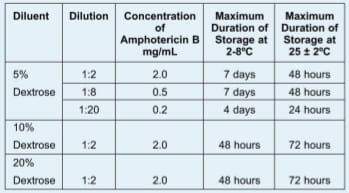
After dilution wilh Dextrose
Chemical and physical stability have been demonstrated (or the following storage conditions in PVC or polyolefin
infusion bags using Dextrose as the dilution medium:
- PHOSOME 25/50 Vials of 20ml
- PHOSOME 10 Vial of 10ml
Last updated: March 2011
In India. Ihe incidence of fungal infection has been reported as 1.32% of all live births and 10% of all VLBW
neonates Invasive fungal infections are also prevalent in children with compromised immune systems such as those
who have cancer or have undergone haematopoietic stem cell transplantation, and In conditions such as congenital
immunodeficiencies, HIV infection and neutropenia.
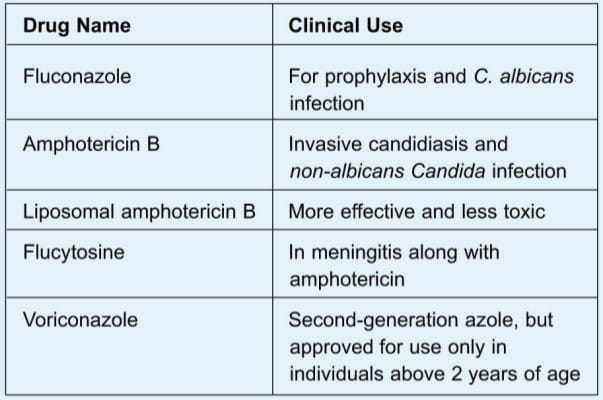
In clinical practice, antifungals are given as empiric therapy before getting the culture report. The common
antifungals used for empiric therapy are fluconazole and amphotericin B. The choice between fluconazole and
amphotericin B as initial therapy is based on the clinical status of the patient. If the patient is clinically
stable and has not had previous antifungal treatment, fluconazole is considered the initial choice; but. In
patients with life-threatening diseases, amphotericin B should be started as empiric therapy.
Culture reports commonly show organisms like C. Albicans and non-albicans Candida species, which include C.
Glabrata, C. Parapsilosis. C. Tropicalis and C. Krusoi. C albicans is usually susceptible to
fluconazole whereas non-albicans Candida responds to amphotericin B. Less common fungi-like Aspergillus,
Ctyptococcus and Zygomycetes also respond to amphotericin B. Liposomal amphotericin B is
preferred over amphotericin B as it Is associated with lesser renal toxicity as well as infusion-related side
effects.
- PHOSOME consists of unilamellar bilayer liposomes with amphotericin B intercalated within the
membrane
- Amphotericin B is fungicidal, exhibiting broad-spectrum coverage and minimal risk for the development of
resistance
- Amphotericin B is considered to be the first line of treatment for non-albicans Candida infections
- Systemic fungal infections caused by less common fungi such as Aspergillus. Cryptococcus and
Zygomycetes also respond to amphotericin B
- Liposomal technology allows targeted delivery of amphotericin B
- Entrapment of amphotericin B into liposomes (liposomal amphotericin B) increases its therapeutic index and
reduces toxicity, specifically nephrotoxicity
- No sonication is required unlike multilamellar liposomal preparations
- Sanjay Wazir, Praveen Kumar. Systemic Fungal Infections in Neonates: Current Issues, Journal of
Neonatology 2006; 20(1):28-35
- Akansha Jain. Shubham Jain, Swati Rawat. Emerging fungal infections among children: A review on its
clinical manifestations, diagnosis, and prevention.J Pharm Bioall Sci 2010;4:314-320
- Bertrand Dupont. Overview of the lipid formulations ofamphotericin B. Journal of Antimicrobial
Chemotherapy 2002; 49:Suppl.S1,31-36
- Annie Wong-Beringer. Richard A. Jacobs. B. Joseph Guglielmo. Lipid Formulations of Amphotericin B:
Clinical Efficacy and Toxicities.Clinical Infectious Diseases 1998;27:603-18
- Jayesh Mehta. Do variations in molecular structure