In 1959, methicillin, an antibiotic closely related to penicillin, was introduced to treat Staphylococcal and other bacterial infections. Within one to two years, resistance to methicillin wasobserved in the strains of Staphylococcus aureus (S. Aureus). These S. Aureus bacteria were then termed methicillin-resistant,i.e. MRSA.
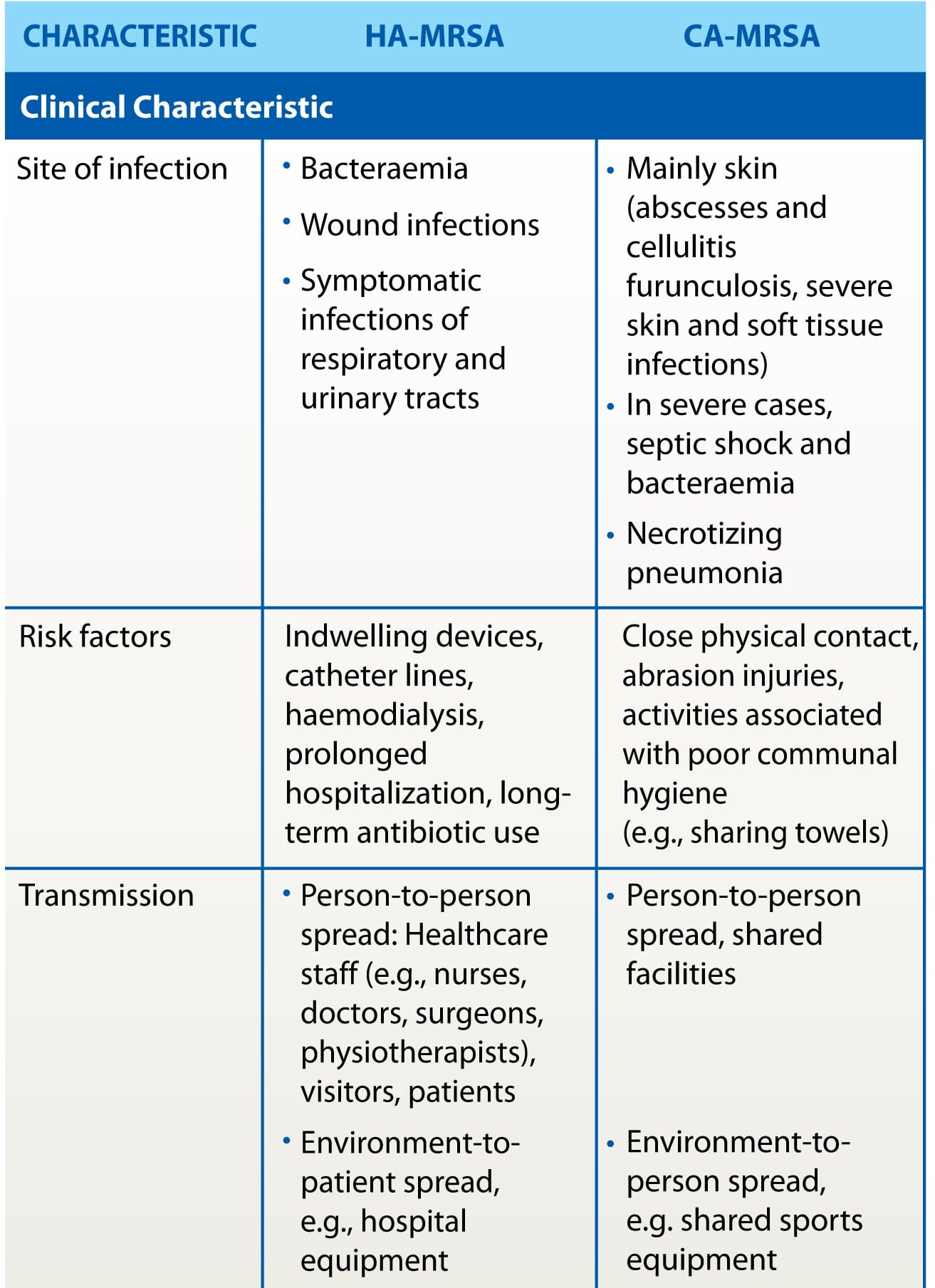
MRSA is the aetiologic agent for a wide range of clinical illnesses, ranging from common skin infections such as impetigo and cellulitis to the more serious manifestations of necrotizing fasciitis, abscess, osteomyelitis, pneumonia and sepsis.
1959
Methicillin, the first beta-lactamase-resistant penicillin, was licensed in England.
1960-1967
Infrequent hospital outbreaks of MRSA in Western Europe and Australia.
1968
First hospital outbreak of MRSA in the U.S. at the Boston City Hospital, Massachusetts.
1968-mid-1990s
MRSA gradually recognized as an endemic pathogen in hospitals, especially in large urban university hospitals.
Percentage of S. aureus infections in hospitalized patients that were caused by MRSA increased slowly but steadily.
1982
Large outbreak of MRSA infections among intravenous drug users in Detroit, Michigan, U.S.
Late 1980s-1990s 2003
Outbreaks of MRSA noted in Australia among the Aboriginal populations who had no exposure to hospitals.
Mid-1990s
Scattered reports of CA-MRSA infections in children in the U.S.
1998
*Comparing two periods - 1993-1995 and 1995-1997- among children with no risk factors for healthcare exposure, there was a 25-fold increase in the rate of hospitalizations due to MRSA.
1998-2008: The CA-MRSA Epidemic Decade
While the rates of HA-MRSA infections remained stable, the rates of CA-MRSA increased.
1999
*First reports of healthy young children dying of severe MRSA infections.
2001
Shift from USA400 to USA300 as the predominant strain of CA-MRSA in the U.S.
2003
* Staphylococcal cassette chromosome (SCC) mec IV recognized.
Major groups of MRSA defined by the U.S. Centers for Disease Control and Prevention (USA100, USA200, USA300, up to USA1000).
2003-2004
In large studies, correlations made between different MRSA genotypes and specific clinical syndromes.
2005
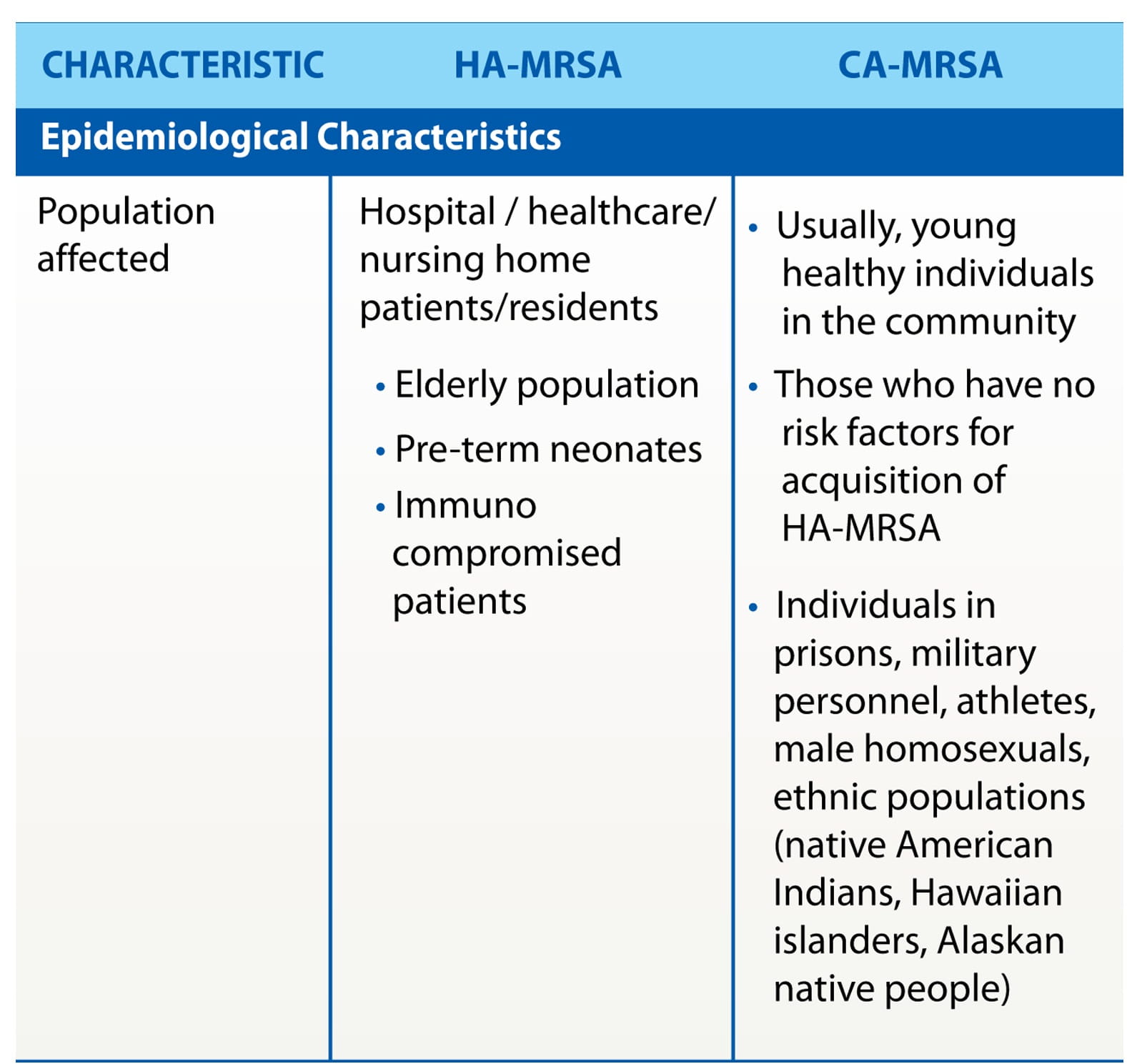
CA-MRSA risk factor groups identified to date include athletes, military recruits, incarcerated people, emergency room patients, children in urban areas, HIV patients, men who have sex with men, and indigenous populations.
2009
Hospitals admission due to CA MRSA became higher
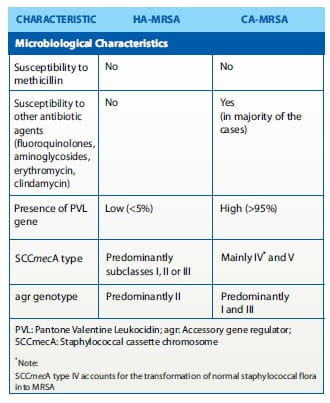
PVL: Pantone Valentine Leukocidin; agr: Accessory gene regulator; SCCmecA: Staphylococcal cassette chromosome
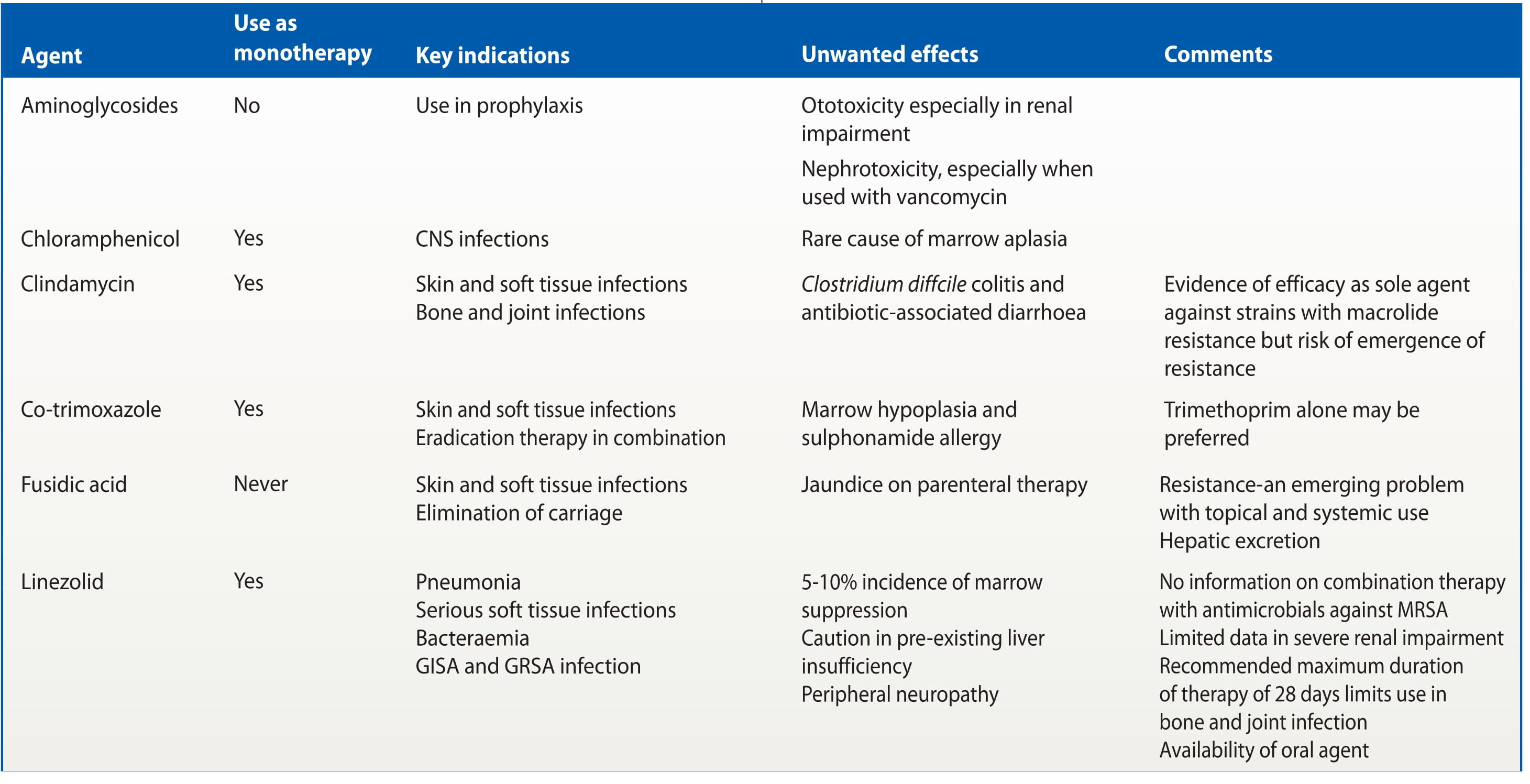
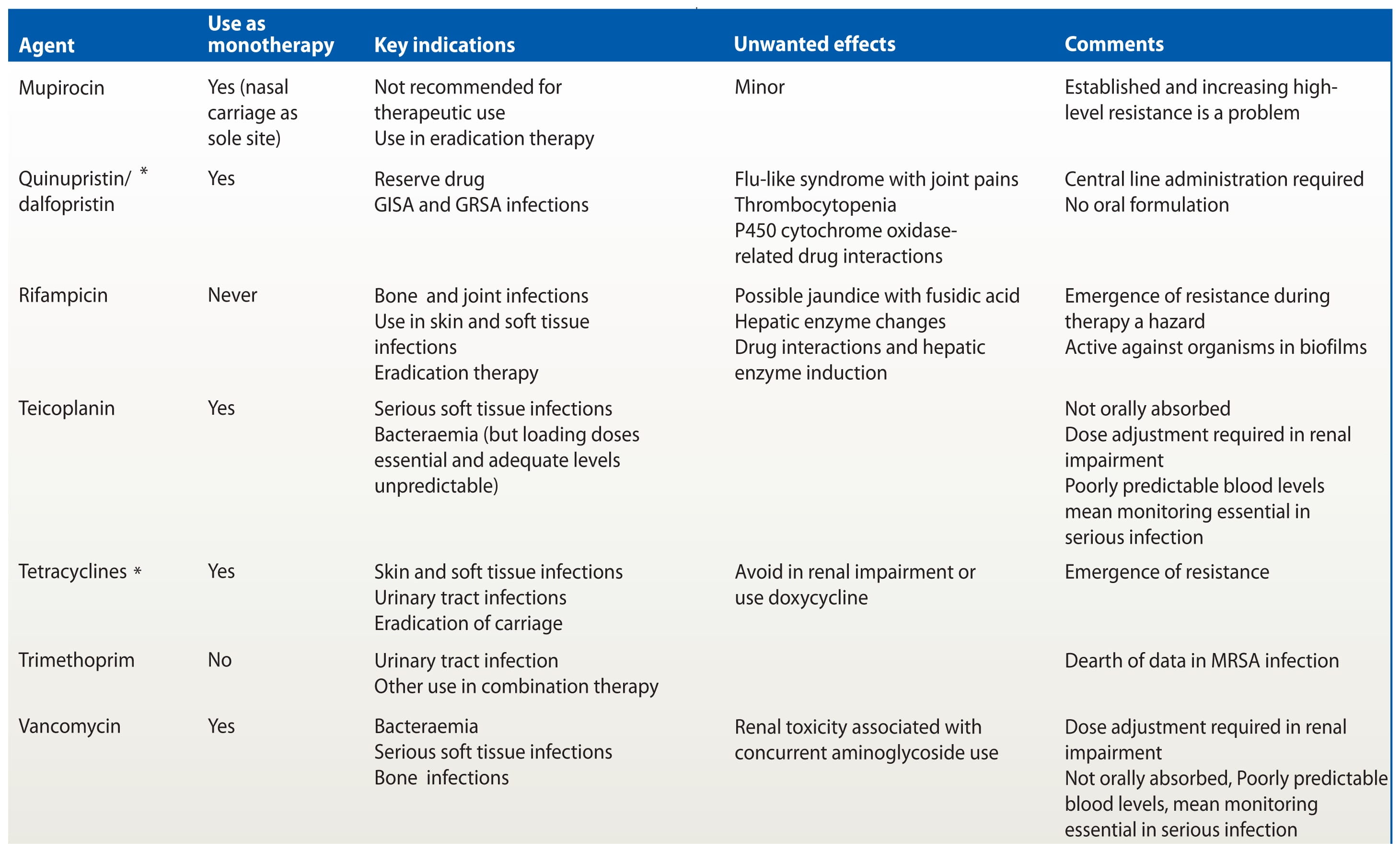
Laboratory determination of MRSA susceptibility is important to establish an effective antibiotic treatment.
The earlier the appropriate diagnosis is made and therapy is instituted for MRSA, the better the prognosis.
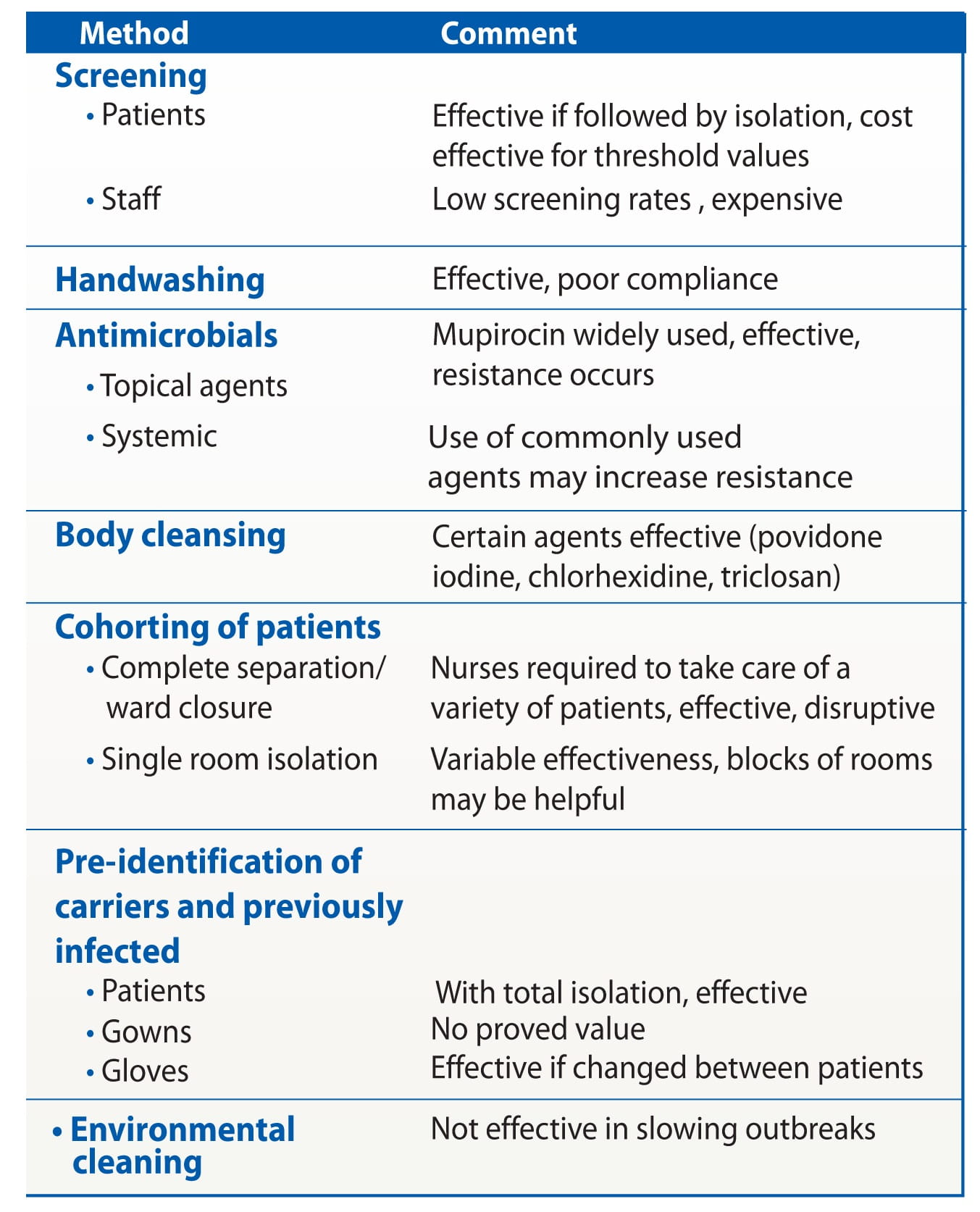
S. aureus continues to be one of the most prominent human bacterial pathogens and the emergence of CA-MRSA further escalates the need for improved diagnostic, preventive and therapeutic modalities. Hence, prompt recognition of MRSA infection, appropriate antibiotic use and the institution of consistent prevention measures are essential.