Asthma: Answers to Clinical Questions (Volume 1)


Pathophysiology
1. What is the relation between allergic rhinitis and asthma?
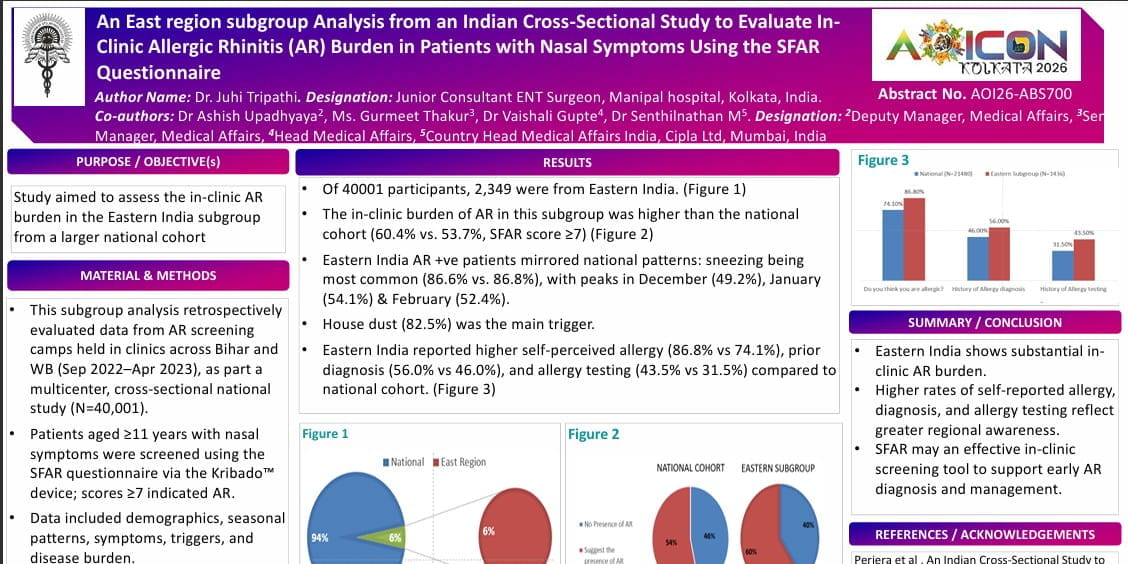
Allergic rhinitis (AR), allergy of the nasal mucosa and asthma are often associated and the two disorders interact at various levels. Allergic Rhinitis typically precedes the development of asthma and can contribute to unsatisfactory asthma control. The presence and type of asthma is influenced by sensitization, and the duration and severity of AR. Patients who have asthma and AR tend to have more severe disease, with higher treatment costs.
In this condition, the nasal functions of warming, filtering and humidification of air are compromised. Thus, they act as triggers.
Approximately 19–38% of patients with AR have concomitant asthma and 30–80% of asthmatics have AR, although these figures probably underestimate the phenomenon, as recent surveys found symptoms of AR in 98.9% of allergic asthmatics and in 78.4% of nonallergic asthmatics.
Treatment of chronic allergic rhinitis with intranasal steroids reduces inflammation, obstruction, post-nasal drip and, consequently, the symptoms of asthma.
It has been shown that treatment with nasal steroids, combined with inhaled steroids, is able to reduce bronchial hyper responsiveness (BHR) to a methacholine challenge in subjects with asthma and to improve symptoms by reducing visits to the emergency department due to exacerbation. Antihistamines and LTRAs have been shown to contribute to asthma control or prevention. Specific immunotherapy of rhinitis may reduce the risk of asthma or improve asthma control.
Cochrane Database Syst. Rev. 2003; 3: CD003570
Lancet 1998; 351: 1225–1232
J. Allergy Clin. Immunol 1996; 98: 274–282
2. Is there any causal relationship between asthma and tuberculosis?
The association of asthma and tuberculosis is rare. Studies have shown that around 1% of patients with predominant pulmonary tuberculosis also have allergic bronchial asthma; an even smaller percentage of those with predominant bronchial asthma have or have had pulmonary tuberculosis.
Rev Mal Respir. 2010; 27(7): 679-84
Chest. 1960; 37(5): 589-590
3. What is steroid-resistant asthma?
Most asthmatic patients respond favourably to corticosteroid therapy for treating their underlying disease; however, a small sub-population of patients displays persistent immune activation and airway inflammation, despite high doses of OCS. This group of patients has been classified as “steroid-resistant” because they fail to respond to aggressive courses of both inhaled and oral corticosteroid therapy to treat their asthma.
The management of these steroid-resistant patients often requires the optimal use of bronchodilator drug therapy as well as the use of alternative anti-inflammatory and/or immunomodulator drugs such as Methotrexate, Cyclosporine, Intravenous Immunoglobulin, Hydroxychloroquine, Dapsone etc. These therapies, however, are not without serious side effect profiles and the potential risk to benefit ratio must be considered before initiating treatment.
Antileukotrienes, such as montelukast, may be beneficial in steroid resistant asthmatics and have been included in multiple guidelines as add-on therapy for severe asthma.
Therapy with antibodies, including anti-IgE, anti-IL-2, and anti-IL-5, may be potential therapeutic agents in steroid resistant asthma. Anti-IgE therapy with omalizumab has been proven safe and reports indicate its effectiveness in a subgroup of patients with steroid resistant asthma.
Macrolide therapy and anti-TNF-alpha agents have recently been investigated as potential treatments for steroid resistant asthma. Recently, vitamin D has also been implicated in the pathogenesis of steroid resistant asthma.
Paediatric Respiratory Reviews 2012; 13: 172–177
P&T 2002; 27(3): 154-157
4. Why do some individuals develop asthma?
Asthma is related to atopy. Atopy is a familial tendency to develop hypersensitivity after exposure to allergens. It is an autosomal dominant trait. Atopic individuals frequently suffer from allergic rhinitis, bronchial asthma, atopic dermatitis, eczema or urticaria. These disorders are Type I immune disorders, mediated by immunoglobulin E (IgE). However, all atopics do not develop the disease.
Atopic individuals are sensitized after an exposure to allergens and develop IgE antibodies. Subsequent exposure to the allergen causes a dual response, which is protracted and more severe.
What causes atopic individuals to develop asthma is not exactly known, but it is probably related to some environmental factors. Since a history of atopy may not always be elicited, asthma may also occur in non-atopic individuals. Non-atopic asthma refers to inflammation and constriction of the airways that is not caused by exposure to an allergen. It typically begins after the age of 35 years, and the cause is unknown, but it is believed to be an over-response of the immune system.
Thorax 1999; 54: 268–272
Risk Factors
1. If the parents are asthmatics, what is the probability that the child would be an asthmatic?
If the parents have asthma, then there is a high chance that the child might develop asthma, but this is not always true. If one of the parents has asthma, then there is a 25% chance of the child having asthma. On the other hand, if both the parents have asthma, then the probability of the child developing asthma is around 50-60%.
However, there are also cases being reported where the children had asthma though their parents were not having it. Around 8-10% of individuals can have asthma without any family history.
Am J Prev Med 2003; 24(2): 160–169
Genet Med 2009: 11(5): 323–328
2. Do painkillers worsen asthma symptoms?
The worsening of respiratory symptoms with the use of non-steroidal anti-inflammatory drugs (NSAIDS) such as aspirin is well established. It is also referred to as aspirin-exacerbated respiratory disease (AERD). It starts with nasal congestion and anosmia, and progresses to chronic rhinosinusitis with nasal polyps that re-grow rapidly after surgery. Asthma and hypersensitivity to aspirin develop subsequently.
An acute asthma attack develops within minutes to 1–2 hours. It may sometimes progress to severe bronchospasm, shock, loss of consciousness, and respiratory arrest. It is also more likely to be associated with low lung function and severe asthma.
A history of exacerbation following ingestion of aspirin or other NSAIDs helps in the diagnosis. Aspirin challenge (oral, bronchial or nasal) is the gold standard for diagnosis.
Patients should avoid aspirin or NSAID-containing products and other medications that inhibitcyclooxygenase-1 (COX-1), but this does not prevent progression of the disease. Where an NSAID is indicated for other medical conditions, a COX-2 inhibitor (e.g. celocoxib or etoricoxib), or paracetamol (acetaminophen), may be considered with appropriate health care provider supervision and observation for at least 2 hours after administration. Inhaled corticosteroids (ICS) are the mainstay of asthma therapy in AERD, but oral corticosteroids (OCS) are sometimes required; Leukotriene Receptor Antagonist (LTRA) may also be useful.
Global Initiative for Asthma (GINA), 2014
3. Does exclusive breast feeding during the first 6 months of life reduce the chances of developing asthma?
A few studies found no relation between breast-feeding and the development of asthma, while a few others says that exclusive breast feeding for at least 4 months significant reduces the risk of asthma and atopy at 6 years of age and also significantly delays the age at onset of wheezing and asthma. It is postulated that the protective effect of mother’s milk might be due to its nutritional, immunological, and psychological benefits.
J Allergy ClinImmunol 2005; 115: 1238-48
BMJ 1999; 319: 815–9
4. Which food items can aggravate asthma?
Food allergies can trigger asthma attacks in some people, although this is rare (<2% of people with asthma). Trigger foods may include dairy products, eggs, peanuts, sulphites, monosodium glutamate (MSG), food colorings etc.
In patients with confirmed food induced allergic reactions (anaphylaxis), co-existing asthma is a strong risk factor for more severe and even fatal reactions.
Patients who have a confirmed food allergy that puts them at risk for anaphylaxis must be trained and have an epinephrine auto-injector available at all times. They, and their family, must be educated in appropriate food avoidance strategies.
Global Initiative for Asthma (GINA), 2014
5. Are babies born by Caesarean section more prone to developing asthma?
Research studies have shown mixed results regarding the association between the caesarean section (C-section) and the development of asthma.
A few studies have shown no relation between a C-section and the development of asthma in the offspring while a few have a positive correlation between the two.
The potential effect of a C-section on asthma and allergies is thought to be mediated through immunological mechanisms, mainly focusing on the fact that children born by C-section have reduced exposure to vaginal microbial flora.
During a normal delivery, the baby passes through the vagina of the mother, where it encounters a large number of beneficial micro-organisms residing in the mother’s vagina. These beneficial microbes enter the baby’s body and provide immunity to the baby from certain diseases, including asthma. However, when there is a C-section, the baby is not exposed to the complex microbial environment. These babies remain devoid of useful microbes and, therefore, may be more susceptible to asthma.
BMC Pediatrics 2012; 12: 179 (doi:10.1186/1471-2431-12-179)
ActaPaediatr. 2007; 96(4): 595-6.
6. Which occupations have a risk of triggering asthma?
Bakers, farmers, laboratory workers, metal workers, millers, plastic and rubber workers, woodworkers, electrical soldering workers, poultry farmers, veterinarians, carpenters, automobile painters etc., are all at risk of developing occupational asthma. Symptoms usually occur shortly after being exposed to the triggers and often improve or disappear when one leaves the workplace.
Global Initiative for Asthma (GINA), 2012
7. How do exercise, emotions and temperature trigger asthma?
Exercise can trigger bronchospasm in many asthmatics. The increased breathing rate after exercise leads to cooling and drying of the airways, which can trigger asthma.
Emotions such as extreme joy, sorrow and anxiety can provoke bronchospasm in an asthmatic. Uncontrolled emotions act on the nerves, which lead to constriction of the smooth muscles of the airways.
Sudden changes in temperature or seasonal changes may cause bronchospasm. In case of cold weather, while breathing, the cold air is inhaled. As a result, the increased cooling of the airway triggers the airway.
For the many asthma patients in whom pollens are the primary triggers, thunderstorms can be a real problem. A recent study described how the wind in thunderstorms carries pollen grains at ground level which get into the lower part of the airway and act as a trigger.
EurRespir Rev 2012; 21(124): 82–87
8. What is Exercise-induced asthma and how should it be treated?
Exercise-induced asthma (EIA) is asthma that is triggered by vigorous or prolonged exercise or physical exertion. The symptoms of EIA generally begin within 5 to 20 minutes after the start of exercise, or 5 to 10 minutes after brief exercise has stopped. Most people with chronic asthma experience symptoms of asthma during exercise. However, there are many people without chronic asthma who develop symptoms only during exercise. During exercise, the cooling and drying of the airways acts as a trigger factor which results in symptoms such as breathlessness, coughing, wheezing, etc.
Bronchodilators used prior to exercise can control and prevent EIA symptoms. The preferred asthma medications are short-acting beta2 agonists such as salbutamol, which needs to be taken 10 minutes before exercise. Another asthma treatment that may be useful is inhaled cromolyn sodium, taken 15 to 20 minutes before exercise.
In addition to taking medications, warming up prior to exercise and cooling down after exercise can help in asthma prevention. The person suffering from EIA should avoid exercising in places with a high level of allergens and high air pollution. Exercise should also be avoided in cold weather and during a viral infection.
Current Opinion in Pulmonary Medicine 2009; 15: 25–28
Paediatric Respiratory Reviews 2002; 3: 154-160
9. Is there an association between obesity and asthma?
Asthma and obesity often coexist in the same patient, and epidemiologic studies have confirmed an association between the two conditions. Obese individuals have an increased prevalence of asthma, and its persistence as well as the need for increased treatment also appears to be greater with obesity.
Current evidence suggests that the association between asthma and obesity is linked by two major phenotypes and three important pathways of obesity-related asthma: One phenotype with primary (often atopic) asthma that is aggravated by obesity and a second phenotype with late-onset non-atopic asthma, which predominantly affects women and primarily seems to be associated with neutrophilic inflammation. The proposed pathways include the mechanical effects of obesity (fewer deep inspirations, leading to increased airway hyperresponsiveness), an inflammatory pathway driven by obesity-related cytokines (adipokines) and finally, environment and lifestyle changes (including exposures in utero, physical activity, and diet) may also result in asthma in predisposed individuals.
Weight reduction can result in improvement of lung function and symptoms among asthmatics.
CurrOpin Allergy ClinImmunol 2014; 14:35–43
J InvestigAllergolClinImmunol. 2008; 18(6): 420-5
J AcadNutr Diet. 2013; 113: 77-105
10. How often does uncontrolled asthma lead to COPD?
Many patients with long-standing asthma may develop airway remodeling which might causes a chronic irreversible airflow obstruction, or COPD. Airway remodeling occurs in patients with severe asthma that is often not well controlled.
Patients with active asthma had a significantly higher risk of chronic lung diseases later in life. According to a study, compared to adults without asthma, adults with asthma were:
- 17 times more likely to be diagnosed with emphysema
- 10 times more likely to develop symptoms of chronic bronchitis
- 12.5 times more likely to develop COPD
According to the American Lung Association children who suffer from severe, persistent asthma are nearly 32 times more likely to develop COPD in adulthood, whereas children with mild asthma were not at an increased risk.
It is possible that factors such as smoking and repeated episodes of acute bronchitis may facilitate the evolution of asthma into COPD, but the process by which asthma and COPD become comorbid conditions is not clear. Smoking and advanced age also significantly increased the risk of being diagnosed with COPD or another chronic lung disease.
The condition in which patients shows the features of both asthma and COPD is called as Asthma COPD Overlap Syndrome (ACOS). Prevalence rates between 15 and 55% have been reported, with variation by gender and age. Patients with features of both asthma and COPD experience frequent exacerbations, have a poor quality of life, a more rapid decline in lung function and high mortality, and consume a disproportionate amount of healthcare resources than asthma or COPD alone.
Minimizing exposure to risk factors such as tobacco smoke and air pollution may delay or help prevent the development of COPD. Using effective anti-inflammatory therapy at the start of asthma symptoms may also decrease the likelihood of COPD developing years later.
Global Initiative for Asthma (GINA), 2014
CHEST 2004; 126:59–65
American Lung Association (http://www.lung.org/associations/states/illinois/news/the-link-between asthma.html, accessed on 8th Nov 2013)
Diagnosis
1. What is cough-variant asthma and how is it diagnosed and managed?
Cough-variant asthma (CVA) is a type of asthma in which the main symptom is a dry, non-productive cough. A non-productive cough does not expel any mucus from the respiratory tract. People with CVA often have no other "classic" asthma symptoms, such as wheezing or shortness of breath.
CVA is sometimes called chronic cough to describe a cough that has lasted longer than 6 to 8 weeks. Coughing may increase when they are exposed to asthma triggers or allergy-causing substances such as dust or strong fragrances, or when they are outdoors in cold air.
Anyone can get CVA at any age, but it is common in young kids with childhood asthma. It may lead to the development of "classic" asthma, with symptoms that include shortness of breath and wheezing.
CVA is somewhat difficult to diagnose because the cough may be the only symptom, and the cough itself may appear to be bronchitis or cough associated with postnasal drip.
It can be diagnosed by a methacholine challenge or by treating the cough with asthma medications. If the cough improves with treatment, CVA can be confirmed.
Most CVA patients will respond to inhaled bronchodilators and inhaled corticosteroids. A subgroup of patients will require the addition of leukotriene receptor antagonists (LTRA) and/or a short course of oral corticosteroids (OCS). There should be a gradual improvement in the asthma symptoms over 6 to 8 weeks.
CHEST 2006; 129: 75S–79S
Thorax 2003; 58: 14–18
2. How good is a peak flow meter as compared to the spirometer for the diagnosis of asthma?
A peak flow meter is a simple, portable, easy to use and inexpensive device of immense clinical value in asthma practice. It provides an objective measure of the lung function in terms of Peak Expiratory Flow Rate (PEFR). Every patient should buy a peak flow meter since it is affordable and should use it regularly monitor their asthma and lung function.
A peak flow meter could be more useful in certain situations such as the diagnosis of asthma in the absence of spirometry, monitoring response to treatment, diagnosis of occupational asthma and in-house monitoring of asthma (especially in patients who are “poor perceivers’’ of their symptoms). It may also be useful in assessing the severity of an acute exacerbation.
Spirometry is a simple, inexpensive and reliable tool for diagnosing asthma and COPD and can be easily incorporated in a clinician’s practice. It provides a good measure of the pulmonary function and is a key factor in the diagnosis and severity grading of various respiratory disorders, including asthma. It also provides objective monitoring of the therapeutic response in which the patient’s ongoing readings are compared with a baseline value.Spirometry is of primary importance in the management of asthma and COPD, and the forced expiratory volume in 1 second (FEV1) measure from spirometry is more reliable than peak expiratory flow (PEF).
Global Initiative for Asthma (GINA), 2014
3. Is allergic skin test necessary in asthmatic patients?
The presence of atopy increases the probability that a patient with respiratory symptoms has allergic asthma, but this is not specific for asthma nor is it present in all asthma phenotypes. Atopic status can be identified by skin prick testing or by measuring the level of specific immunoglobulin E (sIgE) in serum. Skin prick testing with common environmental allergens is simple and rapid to perform and, when performed by an experienced tester with standardized extracts, is inexpensive and has a high sensitivity. The presence of a positive skin test or positive sIgE, does not mean that the allergen is causing symptoms. The relevance of allergen exposure and its relation to symptoms must be confirmed by the patient’s history.
Global Initiative for Asthma (GINA), 2014
4. How can one diagnose childhood asthma?
Nearly 77% of asthma develops in children below the age of 5 years. Childhood asthma does not present with classical clinical features but with features that are present in many other conditions. Diagnosis of asthma is usually more difficult in children than in adults, and is more of a clinical diagnosis, made by evaluation over time. It should be considered in case of the following:
- There is a history of recurrent bouts of coughing, wheezing or shortness of breath.
- The symptoms worsen during night-time or after physical activity.
- The above symptoms do not respond to “cough syrups” and antibiotics.
- The symptoms respond to anti-asthma medications.
- Presence of personal atopy or a family history of atopy or allergies.
- Physical examination reveals findings suggestive of asthma, such as rhonchi, on auscultation of the chest.
- Afebrile episodes, which help to differentiate asthma from infectious diseases.
Research suggests that two-thirds of children may grow out of their asthma symptoms, though asthma that is triggered by an allergic response may recur in later life.
A good history and a “trial of short-acting bronchodilators and/or inhaled steroids” are usually all that are needed to diagnose asthma in infants. In school children, other tests that can be considered include the following:
Measurement of peak expiratory flow rate (PEFR) – This is easier to perform in children above 5 years of age. It can help the patient assess the presence of wheezing and can help in self-monitoring. It is highly suggestive of asthma if there is > 20% increase in the PEFR after inhaled SABA, > 20% decrease in PEFR after exercise or diurnal variation > 20%. Exercise test – most children with asthma develop a drop in the PEFR after exercise.
Spirometry – It can be performed when the diagnosis is in doubt as well as for periodic monitoring of asthma. However it cannot be done in children below 5 years of age and it also requires technical expertise.
In children less than 5 years of age, the lung function tests indicated above are not reliable. The only way to confirm a diagnosis of asthma is by obtaining a good history and by showing that their symptoms settle down when asthma medications are taken regularly at home for a few weeks.
Scientifica; 2012 (http://dx.doi.org/10.6064/2012/674204)
5. What is refractory asthma and how is it treated?
‘Treatment resistant’ or ‘refractory asthma’ or ‘severe asthma’ refers to patients with a confirmed diagnosis of asthma, whose symptoms or exacerbations remain poorly controlled despite high-dose ICS plus a second controller such as a long-acting beta2 agonist (LABA), and/or systemic corticosteroids and management of comorbidities, or whose asthma control deteriorates when this treatment is stepped down. Patients are considered refractory when they experience persistent symptoms, frequent asthma attacks or low lung function despite taking asthma medications.
Confirmation of the diagnosis is important, because in 12–50% of people assumed to have severe asthma, asthma is not found to be the correct diagnosis.
Pharmacotherapy for severe asthma
- Optimization of ICS/LABA
- Oral corticosteroids (Low dose)
- Add-on treatments – Theophylline, LTRA, Tiotropium
- Sputum-guided treatment
- Phenotype-guided add-on treatment – Anti-IgE
- Non-pharmacological interventions – Bronchial Thermoplasty, Adherence.
Global Initiative for Asthma (GINA), 2014
Circulatory, Respiratory and Pulmonary Medicine 2011; 5: 37–47
6. How can one anticipate an asthma attack?
There is an increase in the asthma symptoms 1-2 weeks before the attack i.e. increase in breathlessness, severe wheezing, continuous coughing, etc. Patients might also show other symptoms such as chest pain, tightened neck and chest muscles, difficulty talking and performing normal daily activities, feeling of anxiety or panic, and blue lips or fingernails. As the same time, just weeks before the attack, lung function decreases and rescue medication usage increases.
PEFR readings taken regularly can give a warning of an impending attack of acute exacerbation even before it starts manifesting symptomatically. There will be a gradual decrease in the PEFR reading on few days before the attack. A sharp decrease in the PEFR reading would indicate that an asthma attack is much sooner to expect. At this stage, increasing the dose of inhaled steroids (4 times) along with bronchodilators may reduce the risk of an exacerbation.
7. What are the common asthma co-morbidities?
Asthma is often associated with various co-morbidities. The most frequently reported asthma co-morbid conditions include allergic rhinitis, sinusitis, gastro-oesophageal reflux disease (GERD), obstructive sleep apnoea, hormonal disorders and psychopathologies.
In general, co-morbid conditions are associated with more complex health-care needs, includingan increased need for medication and the increased possibility of drug interactions due to multiple drugs being used to treat multiple conditions. Co-morbidities also have a significant impact on the quality of life.
Identification and treatment of comorbidities is now recognized as an integral part of the core management of asthma, particularly in the more severe forms of the disease.