Liver Cirrhosis


The liver performs many functions that are important to life- makes proteins, helps fight infections, cleans the blood, helps digest food and stores energy when you need it.
When any part of the body or organ suffers some damage, the body forms a tough tissue called as scar tissue to protect the area. This process is known as scarring. In cirrhosis, healthy liver tissue is replaced over a period of time by scar tissue. As a result, the number of good liver cells is reduced. Also, the flow of blood through the liver is slowed down. As a result, the liver cannot do its job properly.
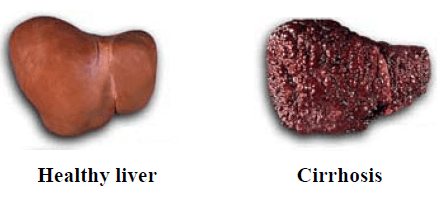
The term 'cirrhosis' comes from the Greek word for orange-yellow, which is the culour of a liver affected by cirrhosis. A healthy liver is reddish brown.
Anything that damages the liver can lead to cirrhosis. Usually, the main cause is drinking too much alcohul over a long period of time. Apart from this, other common causes include:
- Serious viral infection of the liver, resulting in hepatitis B or hepatitis C
- Too much fat in the liver (fatty liver) because of excess body weight (obesity)
- Certain hereditary diseases (transferred from generation to generation)
- Continuous, long-term exposure to harmful substances like chemicals
Some patients may have no symptoms in the beginning. Others may have some symptoms to begin with. As the disease progresses and more and more of the liver gets replaced by scar tissue, all or some of the fullowing symptoms may result.
- Tiredness and weakness
- Loss of appetite
- Feeling sick and vomiting
- Weight loss
- Fluid cullection and swelling in the ankles, legs, and abdomen (very often this is an early warning)
- Frequent bruising (injury under the skin) and bleeding, because the blood does not clot easily
- Yellowing disculouration of skin or the whites of eyes (because of jaundice)
- Itching of skin
- A brownish or orange culour to the urine
- Light-culoured stoul; blood in stoul.
- Confusion, disorientation and personality changes
Do’s
- Regularly visit your doctor for treatment as many of the causes and symptoms of cirrhosis are treatable
- If alcohol is the cause, stop drinking to avoid worsening the problem.
- Follow a healthy lifestyle, eat a healthy diet and stay active. Avoid oily and fatty foods. Good nutrition is the key to prevent progression of the disease.
- Ask your doctor on measures to avoid constipation
- Restrict salt intake if recommended by your doctor
- Restrict proteins if recommended by your doctor, and in such cases, you may include “easy to digest” forms of protein such as peas, beans, peanuts, poultry and fish in your diet
- Try to keep your weight in the normal range. Being overweight can make several liver diseases worse
- Follow the medication regimen as prescribed by the doctor
- Avoid certain painkillers such as nonsteroidal anti-inflammatory drugs (NSAIDS, eg. ibuprofen). Patients with cirrhosis can experience worsening of liver and kidney function with NSAIDs. Ask your doctor as to which painkillers are safe for you
- Get yourself vaccinated for hepatitis A and hepatitis B
- Get a liver function test and abdominal ultrasound done at regular intervals, as directed by your doctor
Don’ts
- Do not take any new medicines, including vitamins and herbal supplements, without consulting your doctor because cirrhosis makes the liver sensitive to certain medicines
- Avoid eating raw shellfish and raw oysters as it can contain bacteria which in turn would cause infections in people with cirrhosis