




High-dose atorvastatin significantly reduces cerebrovascular and cardiovascular events in carotid stenosis: Analysis of SPARCL trial
SPARCL: Sub-analysis in Carotid Stenosis

18 Aug, 10


SPARCL: Sub-analysis in Carotid Stenosis
Introduction
Aim
To assess the benefits with high-dose atorvastatin in patients with carotid stenosis
Methods
Analysis of Stroke Prevention by Aggressive Reduction in Cholesterol Levels (SPARCL) Trial
Patients
Transient ischemic attack (TIA) or stroke within last 1-6 months and carotid stenosis (N=1007)
Study Groups
Atorvastatin 80 mg vs. placebo
Mean Duration
4.9 years
Primary Efficacy Outcome
Fatal or nonfatal stroke
Results
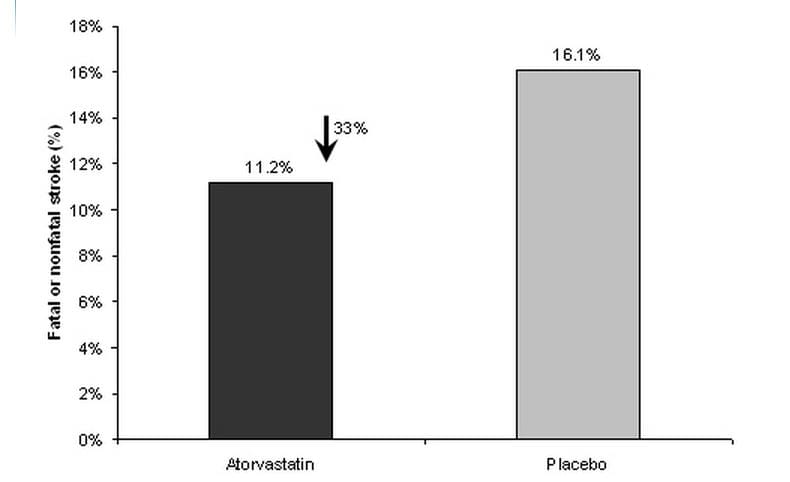
- High-dose atorvastatin significantly reduced the risk of fatal or nonfatal stroke by 33% vs. placebo (Figure 1)
Figure 1. Incidence of primary end-point in atorvastatin vs. placebo
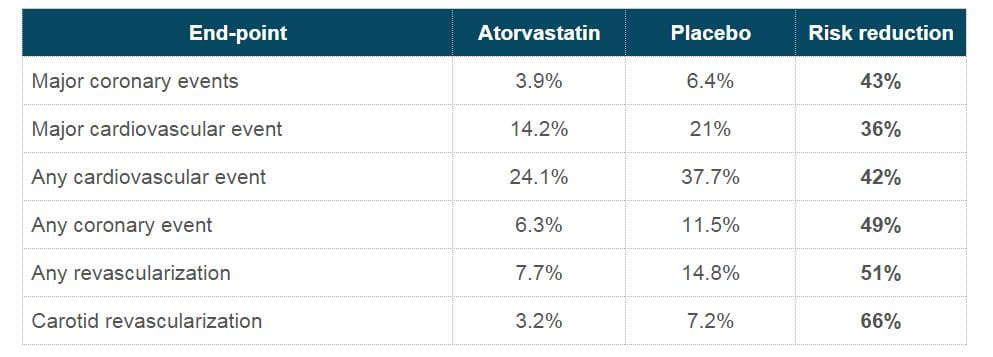
- Risk of TIA or stroke was significantly reduced with atorvastatin by 34% High-dose atorvastatin also significantly reduced the risk of cardiovascular end-points (Table 1)
Table 1. Incidence of cardiovascular end-points
- LDL levels were significantly reduced in atorvastatin recipients (70 mg/dl vs. 130 mg/dl in placebo)
- Patients attaining LDL <70 mg/dl had less chance of experiencing any of the end-points as compared to those with LDL >100 mg/dl
Safety
There were no significant differences in adverse events in both groups
Conclusion
Intensive lipid lowering with 80 mg atorvastatin significantly reduces the risk of cerebrovascular and cardiovascular events in patients with carotid stenosis.
Stroke published online October 10, 2008

More From Area Of Interest
You may also like
13 May, 26

17 Apr, 26
Our Research
23 Feb, 26
23 Feb, 26
11 Feb, 26
11 Feb, 26
11 Feb, 26
Latest Items
Journal Scans
26 Jun, 26

26 Jun, 26

26 Jun, 26

25 Jun, 26


