

SANAD Arm A: Efficacy of Newer Antiepileptic Drugs Including Lamotrigine vs. Carbamazepine in Patients with Partial Onset Seizures

Introduction
Carbamazepine is the first-line antiepileptic drug that is used widely in patients with partial onset seizures. Several newer antiepileptic drugs are available for the treatment of this seizure type. Nevertheless, none of the existing randomized trials have speculated the choice between these newer drugs.
Aim
To compare the efficacy of various newer antiepileptic agents with regards to longer-term outcomes, quality of life, and health economic outcomes as against carbamazepine.
Patient Profile
- Patients with a history of two or more clinically definite unprovoked epileptic seizures in the previous year for whom carbamazepine was deemed as standard treatment (n=1721)
- Patients from Arm A of SANAD (Standard and New Antiepileptic Drugs) trial
- 88% of the study population had cryptogenic or symptomatic partial epilepsy and 10% of them were categorized as having unclassified epilepsy
Methods
Study Design
- Unblinded, randomized controlled trial
Treatment Strategy
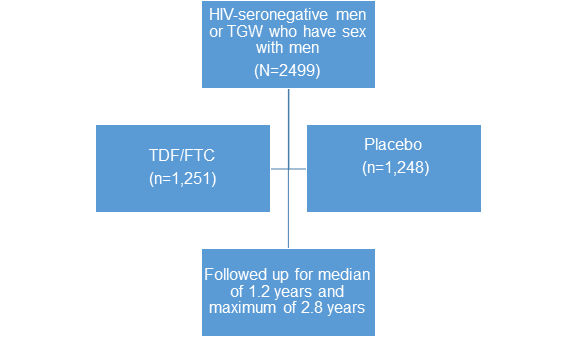
- Patients were randomized 1:1:1:1 to one of the following drugs
Primary Outcome
- Time to treatment failure
- Time to 12-months remission of seizures
Secondary Outcome
- Time from randomization to a first seizure
- Time to achieve a 2-year remission
- The incidence of clinically important adverse events (AEs)
- Quality of life outcomes and cost-effectiveness of the different drugs
Results
- Of the 71 deaths reported during the study period, 10 were attributed to epilepsy (including accidental deaths caused by seizures, status epilepticus, and all sudden deaths). Of these, 1 was attributed to carbamazepine, 2 to gabapentin, 4 to lamotrigine, 3 to oxcarbazepine, and none to topiramate
- The treatment failure rates were the least with lamotrigine. In fact, lamotrigine was significantly better than carbamazepine, gabapentin and topiramate and non-significantly better than oxcarbazepine (Table 1).
|
|
Baseline Drug | |||
|
|
Carbamazepine |
Gabapentin |
Lamotrigine |
Topiramate |
|
Gabapentin |
1.21 |
- |
- |
- |
|
Lamotrigine |
0.78 |
0.65 |
- |
- |
|
Topiramate |
1.22 |
1.01 |
1.56 |
- |
|
Oxcarbazepine |
1.04 |
0.75 |
1.15 |
0.90 |
- Time to 12-month remission was significantly better with carbamazepine vs. all the other medications. Nevertheless, the advantage of carbamazepine over lamotrigine was non-significant
- The rate of treatment failure due to adverse effects as well as due to inadequate seizure control was significantly better with lamotrigine (Table 2).
|
|
Year 1 |
Year 2 |
Year 3 |
Year 4 |
Year 5 |
Year 6 |
|
Unacceptable AEs | ||||||
|
Percentage without failure | ||||||
|
Carbamazepine |
74 |
70 |
69 |
69 |
68 |
68 |
|
Difference in percentage without failure vs. carbamazepine | ||||||
|
Gabapentin |
9 |
11 |
11 |
11 |
12 |
12 |
|
Lamotrigine |
10 |
11 |
10 |
11 |
10 |
10 |
|
Topiramate |
0 |
0 |
-1 |
0 |
1 |
-2 |
|
Oxcarbazepine * |
3 |
4 |
4 |
5 |
- |
- |
|
*Patients were randomized to oxcarbazepine almost 2 years after the first randomization | ||||||
|
Inadequate seizure control | ||||||
|
Percentage without failure | ||||||
|
Carbamazepine |
92 |
87 |
84 |
82 |
77 |
73 |
|
Differences in percentage without failure vs. carbamazepine | ||||||
|
Gabapentin |
-17 |
-19 |
-21 |
-21 |
-18 |
15 |
|
Lamotrigine |
0 |
-2 |
-4 |
-6 |
-3 |
1 |
|
Topiramate |
-4 |
-8 |
-7 |
-7 |
-5 |
-2 |
|
Oxcarbazepine |
-4 |
-4 |
-4 |
-6 |
- |
- |
|
*Patients were randomized to oxcarbazepine almost 2 years after the first randomization | ||||||
- The proportion of patients achieving a 12-month remission (lamotrigine-carbamazepine) at 2 and 4 years was 0 and 5, indicating non-inferiority of lamotrigine vs. carbamazepine.
Conclusions
- Amongst patients with partial onset seizure requiring monotherapy, lamotrigine was clinically better than carbamazepine (the standard drug treatment) and other newer antiepileptic agents (gabapentin and topiramate), in terms of time to treatment failure
- Lamotrigine was non-inferior to carbamazepine for time to 12-month remission from seizure
- Lamotrigine thus offers a cost-effective alternative for patients diagnosed with partial onset seizures
Lancet. 2007; 369: 1000–15