




Sacubitril/Valsartan in HFrEF Patients: Assessing the Benefits-Harms Balance

12 Oct, 17


Background
Although treatment with angiotensin receptor neprilysin inhibitor (ARNI) - sacubitril/valsartan demonstrated a favorable benefits-to-harms balance in adults with heart failure (HF) in randomized controlled trials (RCTs), there has been no systematic appraisal for the quality of evidence regarding patient-centered outcomes in HF patients treated with sacubitril/valsartan.
Aim
To critically appraise the available evidence related to the benefits and harms of sacubitril/valsartan in HF patients.
Patients Profile
- Adult patients with HF treated with either ARNI or any control treatments
Methods
Study Design
- Systematic literature review
Study Selection
- Existing systematic reviews, published and unpublished RCTs and nationally representative controlled observational studies that reported adjusted effect estimates were included in this systematic review.
- The quality of evidence was rated as high, moderate, low, or very low, using the “Grading of Recommendations Assessment, Development and Evaluation” methodology
Outcomes
- All-cause mortality
- Mortality caused by HF
- Treatment utilization (hospitalization, office visits, emergency department visits)
- Quality of life (measured using validated scales)
- All adverse events
Results
- Sacubitril/valsartan reduced all-cause and cardiovascular mortality, hospitalization, emergency visits, and serious adverse events, and improved the quality of life vs. enalapril in adult patients with HF and reduced ejection fraction (HFrEF).
- As per a planned subgroup analysis, sacubitril/valsartan reduced the composite outcome of mortality, cardiovascular causes of hospitalization, or worsening HF in all patients except those with severe HF (New York Heart Association [NYHA] class III or IV, significant interaction effect). Similarly, benefits in terms of reduced cardiovascular mortality were evident in all subgroups of patients except those with diabetes (significant interaction effect).
- The incidence of cardiovascular death with sacubitril/valsartan in women, elderly, and non-white patients might be similar to that observed with enalapril. This issue however needs to be investigated further through appropriate studies.
- Conservative titration of sacubitril/valsartan over 6 weeks rather than condensed titration over 3 weeks might lower the incidence of adverse events.
- The postmarketing surveillance revealed more than 500 case reports of hypotension (851) and dizziness (651) in patients treated with sacubitril/valsartan along with other drugs for hypertension and HF.
Conclusions
- Sacubitril/valsartan demonstrated a favorable benefits-to-harms balance vs. enalapril in adult patients with HFrEF.
- Patients with severe HF (NYHA class III or IV) and those with diabetes had a relatively lesser improvement in terms of survival.
- The evidence on the long-term safety of sacubitril/valsartan in patents with HFrEF is currently inadequate.
- Practitioners may recommend sacubitril/valsartan over angiotensin-converting enzyme inhibitors, while meticulously monitoring the adverse events, renal function, and potassium levels in their patients.
Am J Cardiol. Jul 14, 2017 [Epub ahead of print]; doi: 10.1016/j.amjcard.2017.06.062.

More From Area Of Interest
You may also like

13 May, 26

17 Apr, 26
Our Research
23 Feb, 26
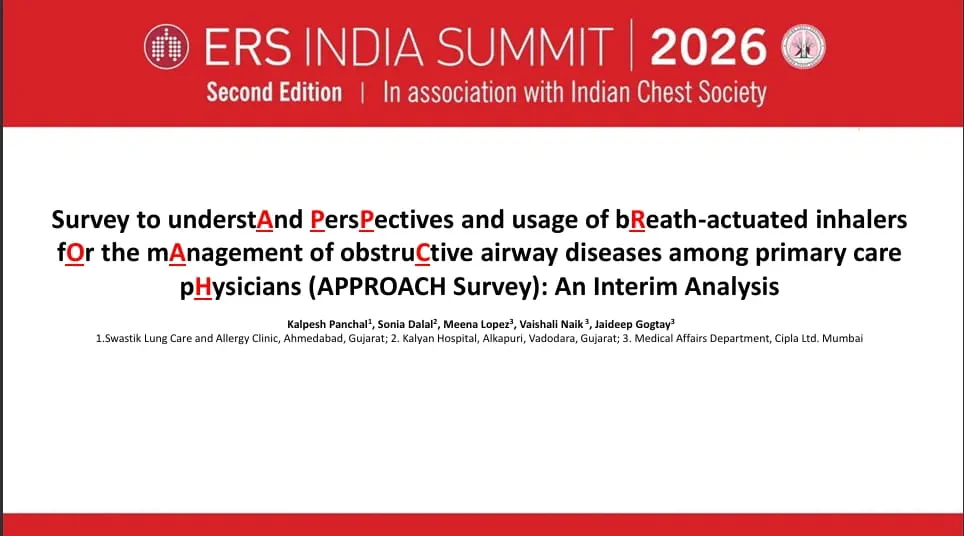
23 Feb, 26
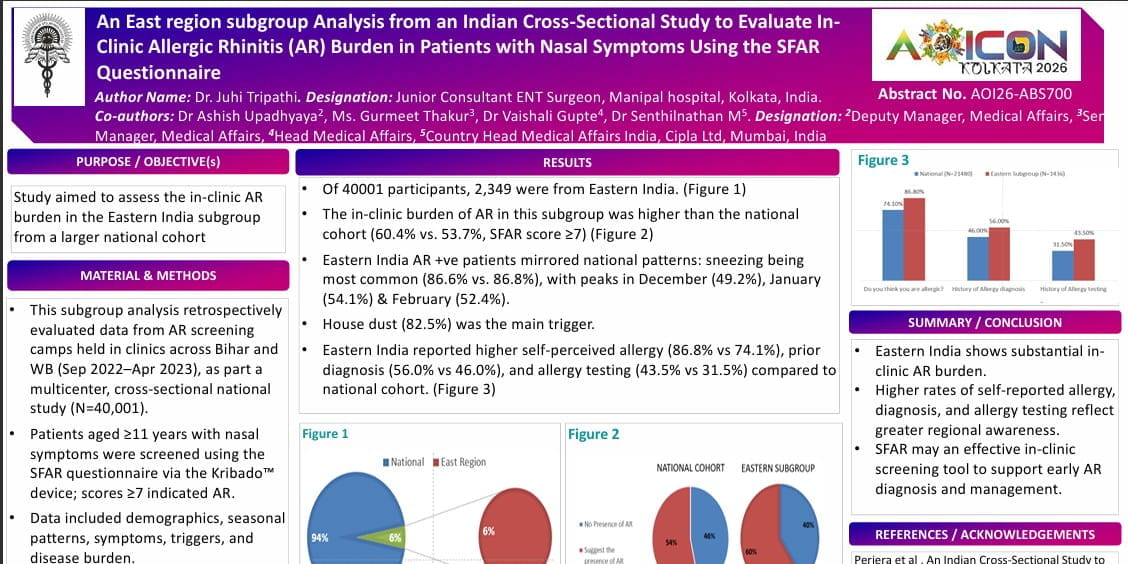
11 Feb, 26
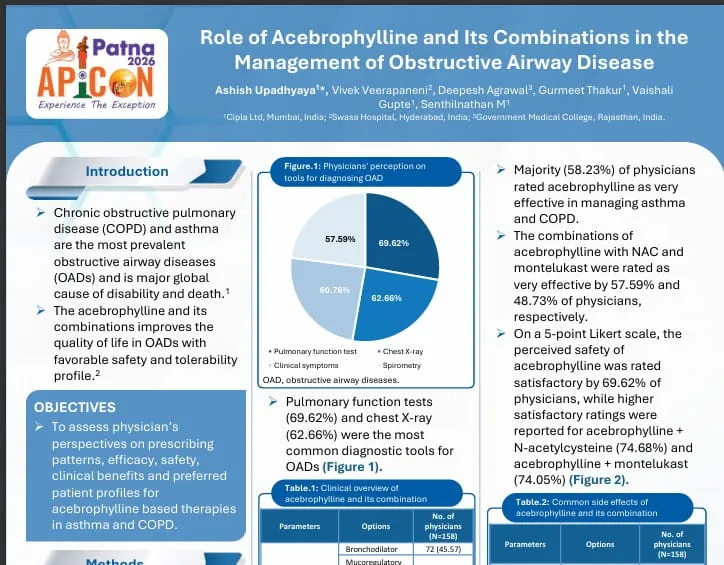
11 Feb, 26
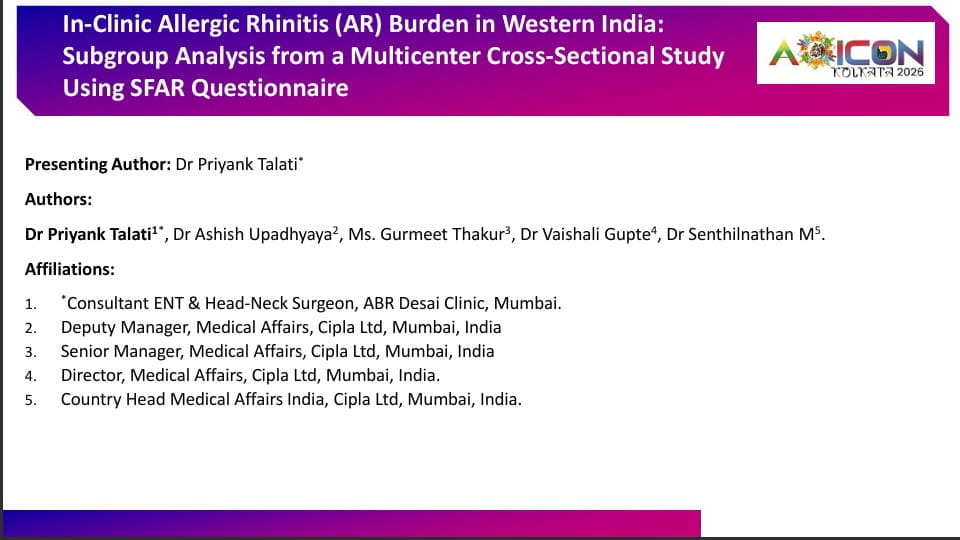
11 Feb, 26
Latest Items
Journal Scans
26 Jun, 26

26 Jun, 26

26 Jun, 26

25 Jun, 26


