




To evaluate whether 2 years of statin therapy will affect the progression of coronary artery disease and clinical outcome of patients with coronary artery disease who have normal to moderately elevated plasma cholesterol levels.
REGRESS (Regression Growth Evaluation Statin Study)

18 Mar, 14


Introduction
- Effects of lipid lowering by pravastatin on progression and regression of coronary artery disease in symptomatic men with normal to moderately elevated serum cholesterol levels. The Regression Growth Evaluation Statin Study (REGRESS).
- Reduction of transient myocardial ischemia with pravastatin in addition to the conventional treatment in patients with angina pectoris.
Purpose
Design
Randomized, double-blind, placebo-controlled, multicenter.
Patients
- 885 men with serum cholesterol 4-8 mmol/L and >1 coronary lesion with >50% of luminal narrowing.
- 768 men with stable angina pectoris, with serum cholesterol 4-8 mmol/L and >1 coronary lesion with >50% of luminal narrowing.
Follow-up
- Clinical evaluation and repeated angiography after 2 years.
- Ambulatory holter ECG monitoring before randomization, and after intervention (in patients that underwent CABG or PTCA) or after 2 years (in patients treated medically).
Treatment Regimen
Pravastatin 40 mg/d or placebo
Additional Therapy
Dietary advice. Cholestyramine for patients with cholesterol > 8.0 mmol/L on repeated assessments. Routine antianginal therapy.
Results
- 778 (88%) had an evaluable final coronary angiography. Mean segment diameter decreased 0.10 mm and 0.06 mm in the placebo and pravastatin groups (mean difference 0.04 mm, p=0.19). The median minimum obstruction diameter decreased 0.09 and 0.03 mm, respectively (difference of the medians 0.06 mm, p=0.001).
- After 2 years, 89% of the pravastatin and 81% of the placebo-treated patients were without new cardiovascular events (p=0.002).
- In the pravastatin-assigned patients, transient myocardial ischemia was detected at baseline in 28% and after treatment in 19%. In the placebo-treated patients it was found in 20% at baseline and 23% at follow-up (odds ratio 0.62; p=0.021).
- The number of ischemic episodes per ambulatory ECG monitoring was reduced by follow-up by 0.53 + 0.25 episodes in the placebo group and by 1.23 + 0.25 episodes in the pravastatin group (p=0.047).
- Ischemic burden (the product of duration of ischemia in minutes multiplied by ST segment depression in mm) decreased from 41 + 5 to 22 + 5 mm.min in the pravastatin-treated patients (p=0.0058), and from 34 + 6 to 26 + 4 mm.min in the placebo group (p=0.24). After adjustment for other independent risk factors, the effect of pravastatin on reduction of ischemia remained significant (odds ratio 0.45; p=0.026).
Conclusion
- 2 years of pravastatin therapy, in men with coronary artery disease and normal to moderately elevated cholesterol levels, resulted in less progression of coronary atherosclerosis and fewer new cardiovascular events.
-
Pravastatin ameliorated transient myocardial ischemia in patients with coronary artery disease and optimal antianginal therapy.
Circulation 1995;91:2529-40, Circulation 1996;94:1503-5

More From Area Of Interest
You may also like

13 May, 26

17 Apr, 26
Our Research
23 Feb, 26
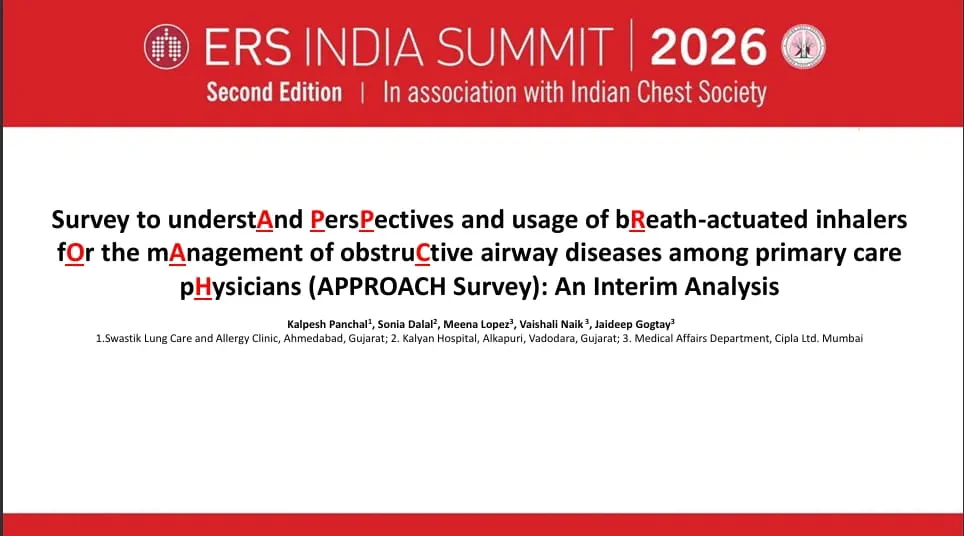
23 Feb, 26
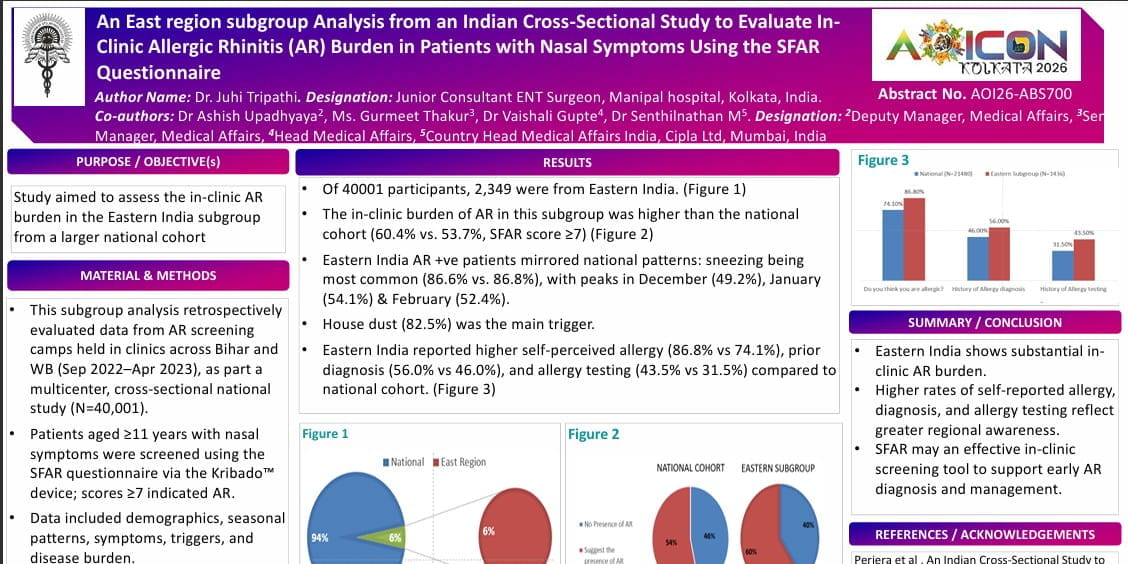
11 Feb, 26
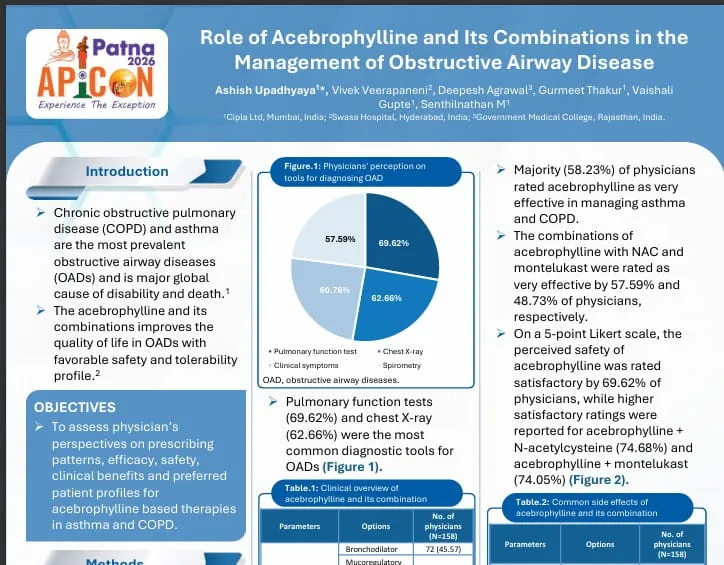
11 Feb, 26
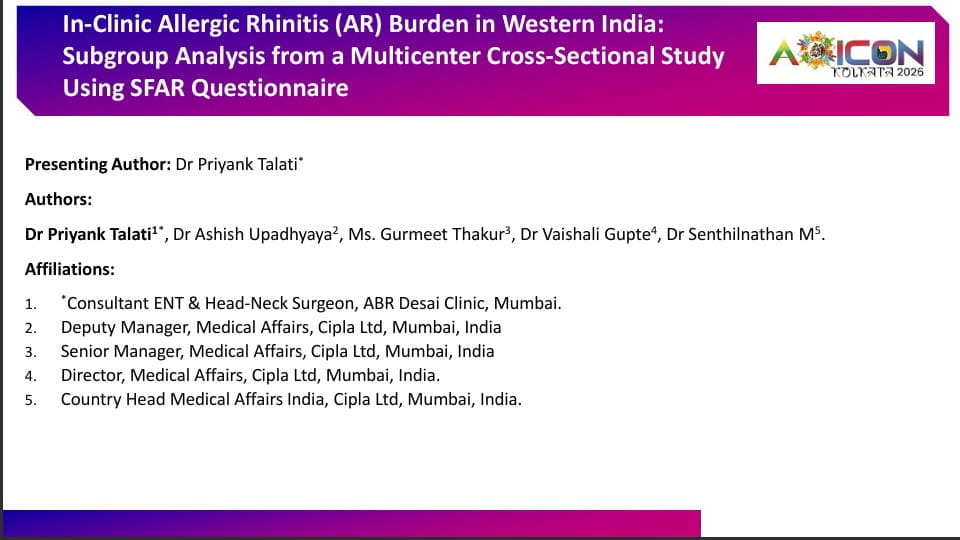
11 Feb, 26
Latest Items
Journal Scans
26 Jun, 26

26 Jun, 26

26 Jun, 26

25 Jun, 26


