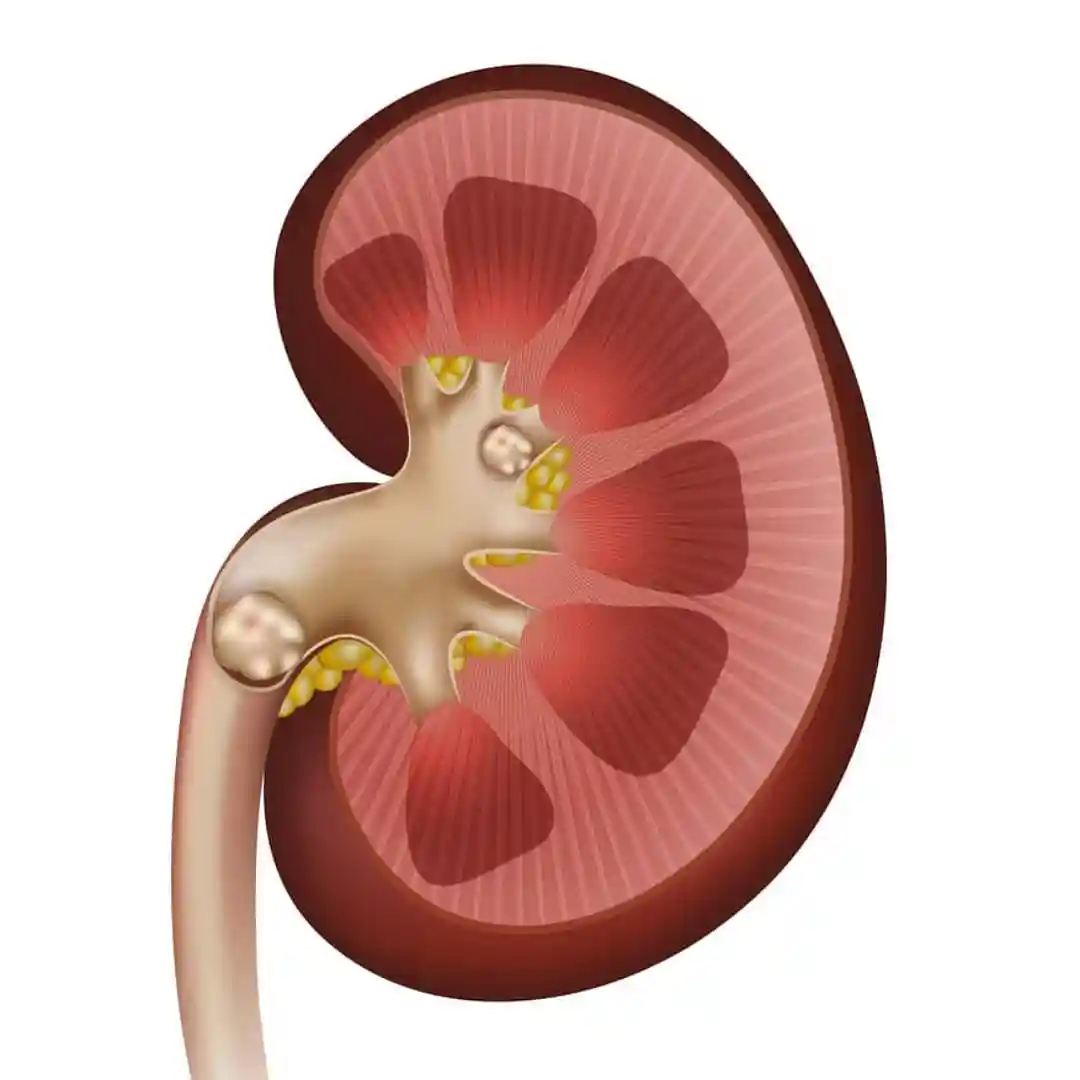



Plazomicin: A Promising Treatment for Multi-drug Resistant Complicated Urinary Tract Infections

Introduction
Urinary tract infections (UTIs) are a major global health burden, with complicated UTIs (cUTIs) posing increased risks of relapse, urosepsis, renal failure, and death. In India, UTIs are common, predominantly affecting women, with E. coli and Klebsiella pneumoniae as key causative pathogens. Rising antimicrobial resistance, including multidrug-resistant (MDR) and carbapenem-resistant strains, has reduced the effectiveness of existing therapies. Plazomicin, a next-generation aminoglycoside approved for cUTIs, demonstrates in-vitro activity against MDR organisms, extended-spectrum beta-lactamase (ESBL)-producing, carbapenem-resistant Enterobacteriaceae (CRE) including New Delhi metallo beta lactamase-1 (NDM) producing and colistin-resistant organisms, offering a valuable reserve treatment option.
Aim
This review was conducted to evaluate the role of plazomicin in managing cUTIs.
Method
Methodology
- Scoping review
Search Strategy and Data Summarization
- This scoping review followed PRISMA-ScR and JBI evidence synthesis guidelines, with quality assessment using JBI and in vitro reporting checklists
- Studies published in English between January 2018 and July 2025 evaluating plazomicin in adult UTI/cUTI patients were included
- Searches were conducted across PubMed, MEDLINE, EMBASE, Google Scholar, and citation sources
- Screening and data extraction were performed independently by reviewers
- In clinical trials, the efficacy of drug therapy was assessed using parameters such as microbiological eradication, clinical and composite cure and susceptibility rate
- Safety profile was analysed based on adverse events (AEs), serious adverse events (SAEs) and serum creatinine changes
Results
- A total of 30 studies were included from 159 screened articles, encompassing 1,424 clinical trial patients and 82,804 bacterial isolates.
- Plazomicin demonstrated non-inferior efficacy to meropenem in complicated UTIs, achieving high microbiological eradication (89.5%) and composite cure rates (81.7%) at test of cure, while maintaining comparable clinical cure rates at both test of cure (89%) and end of intravenous therapy (96.3%)
- It was well tolerated, with adverse events occurring in 19.5% of patients, mainly diarrhea, nausea, and renal dysfunction
- In-vitro study showed that plazomicin has susceptibility of 87 - 99.8%, outperforming gentamicin, amikacin, and tobramycin, and demonstrated synergistic activity with colistin, meropenem, and fosfomycin against resistant pathogens
Conclusion
- Plazomicin is a promising option for MDR cUTIs and pyelonephritis, offering activity against CRE and colistin-resistant pathogens, with advantages such as rapid bactericidal action, once-daily dosing, low relapse rates, good safety, and synergistic effects.
Ther Adv Infect Dis. 2025;12:1-23. Doi: 10.1177/20499361251401104.







.webp?updated=20250515071619)