




Amputations in diabetics substantially impair their quality of life and impose high costs on health care system.
FIELD: Sub-Analysis on Amputation Risk in Diabetics

12 Dec, 10


FIELD Sub-Analysis on Amputation Risk in Diabetics
FIELD: Sub-Analysis on Amputation Risk in Diabetics
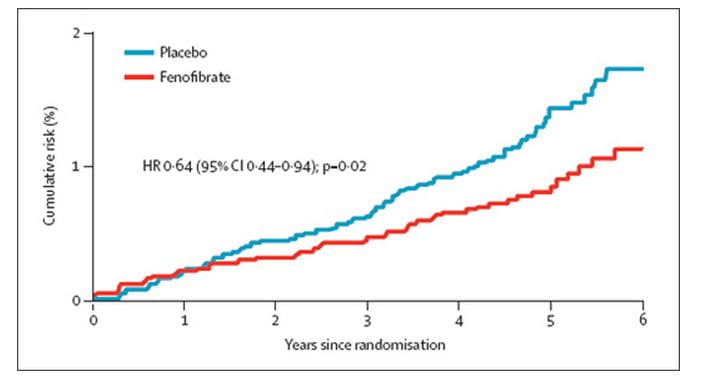
Fenofibrate significantly reduces risk of first amputations by 36% in diabetics: Analysis of FIELD study
Background
Aim
To assess the effects of fenofibrate on amputations in diabetics.
Methods
Analysis of Fenofibrate Intervention and Event Lowering in Diabetes (FIELD) study
Patients
Type 2 diabetes (N=9795)
Study Groups
Micronized fenofibrate 200 mg (N=4895) vs. placebo (N=4900)
Median Follow-up Period
5 years
Efficacy Outcome Measure
Incidence of amputations
Results
- Fenofibrate significantly reduced the risk of first amputations by 36% as compared to placebo; benefits emerged after just 1.5 years use of fenofibrate (Figure 1). Effects of fenofibrate were independent of the use of ACE inhibitors and angiotensin receptor blockers, glycemic control and dyslipidemia.
Figure 1. Incidence of amputations in both groups
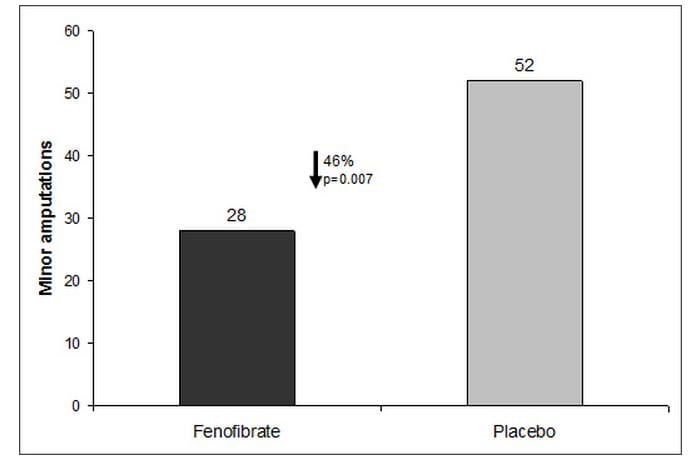
- Risk of minor amputations was significantly reduced by 46% in fenofibrate recipients (Figure 2)
Figure 2. Incidence of minor amputations
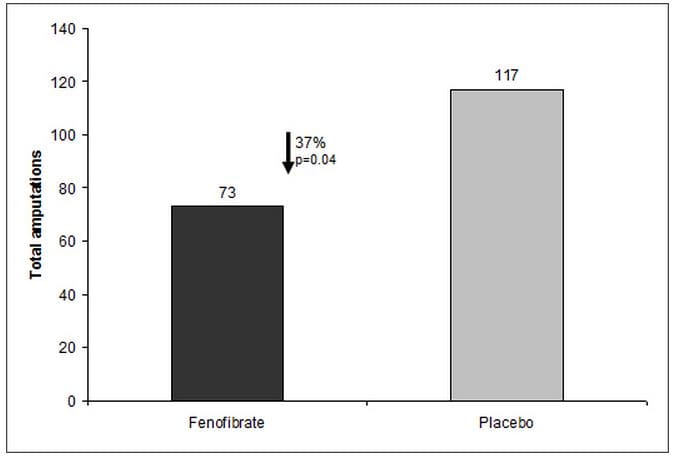
- Risk of multiple amputations was significantly reduced by 37% with fenofibrate therapy (Figure 3)
Figure 3. Incidence of multiple amputations
Conclusions
- Findings support the use of fenofibrate, irrespective of the presence of dyslipidemia, for the treatment of patients with type 2 diabetes who are at high risk for amputations
-
This approach could help to reduce the substantial morbidity, mortality, and economic burden associated with amputation due to diabetes
Lancet 2009;373:1780-88

More From Area Of Interest
You may also like

13 May, 26

17 Apr, 26
Our Research
23 Feb, 26

23 Feb, 26

11 Feb, 26

11 Feb, 26

11 Feb, 26
Latest Items

5 Jun, 26
Journal Scans
3 Jun, 26

3 Jun, 26

3 Jun, 26


