




Telmisartan as Effective as Ramipril in Improving Renal Endothelial Function in Diabetic Hypertensives
TRENDY (Telmisartan versus Ramipril on Renal Endothelium Function in Type 2 Diabetes)

18 Mar, 14


TRENDY
Background
- Endothelial dysfunction occurs as a result of impairment of nitric oxide (NO) synthesis, or increased NO degradation.
- In the long term, endothelial dysfunction results in atherosclerosis and subsequent target-organ damage, leading to overt cardiovascular disease and chronic kidney disease. Endothelial dysfunction is known to provoke albuminuria and to predict cardiovascular prognosis. Albuminuria and decreased renal function are excellent predictors of cardiovascular morbidity and mortality.
- Angiotensin II is implicated to play a role in endothelial dysfunction as it increases oxidative stress which causes stimulation of NO breakdown. Hence, an ideal approach to endothelial dysfunction is to inhibit the renin angiotensin system (RAS).
Aim
To examine the effects of telmisartan and ramipril on renal endothelial function in type 2 diabetes patients with hypertension.
Study Population
96 non-insulin dependent type 2 diabetes patients with normo- or microalbuminuria and hypertension, known to have a very high risk of cardiovascular and renal morbidity
Study Design
Prospective multicenter, parallel-group, double-blind, forced-titration, randomized study
Study Duration
9 weeks
Study Medication
Telmisartan versus Ramipril
- For first 3 weeks, lower doses of telmisartan 40 mg or ramipril 5 mg were administered.
- For subsequent 6 weeks, patients received either telmisartan 80 mg or ramipril 10 mg.
- Add-on therapy was permitted if blood pressure (BP) was inadequately controlled (mean SBP ≥160 mm Hg and/or DBP ≥95 mm Hg) at the end of the forced-titration period. Overall goal was to reach a target BP of <130/80 mm Hg.
Assessment of Renal Endothelial Function
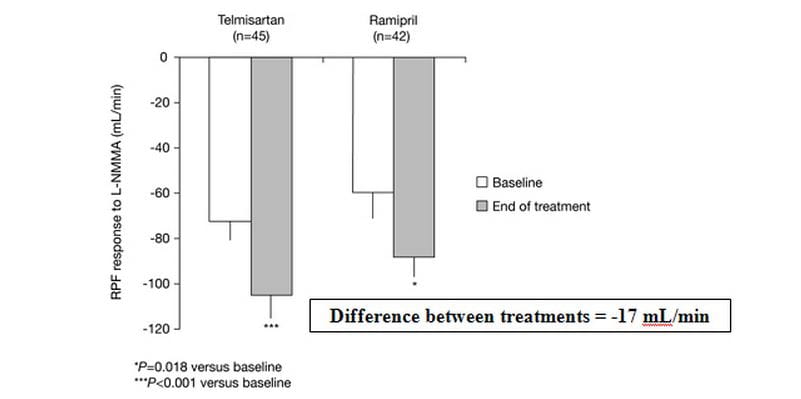
Change in renal plasma flow (RPF) in response to intravenously administered NG-monomethyl-L-arginine (L-NMMA), which reflected the improvement in NO activity in the renal circulation.
Results
- Both telmisartan and ramipril caused a significant reduction in RPF in response to intravenous L-NMMA.
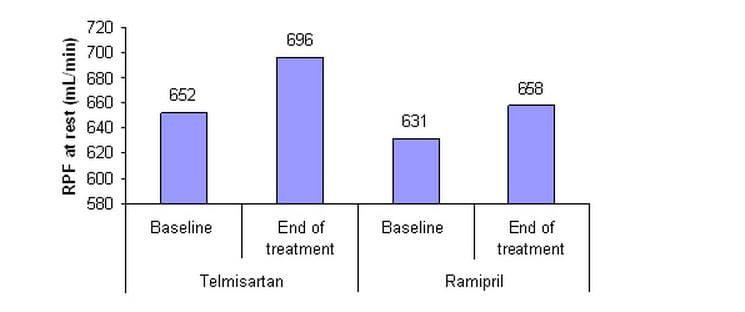
- Telmisartan significantly increased RPF at rest (without L-NMMA), whereas ramipril produced no significant changes in RPF.
Conclusion
Telmisartan was as effective as ramipril in increasing the NO activity of the renal endothelium in type 2 diabetic hypertensives. This improvement in the renal endothelial function may preserve the cardiovascular and renal function.
Diabetes Care 2007; 30: 1351-1356

More From Area Of Interest
You may also like

13 May, 26

17 Apr, 26
Our Research
23 Feb, 26

23 Feb, 26

11 Feb, 26
11 Feb, 26

11 Feb, 26
Latest Items
Journal Scans
26 Jun, 26

26 Jun, 26

26 Jun, 26

25 Jun, 26


