




Prophylactic Effect of Saccharomyces boulardii in the Prevention of Antibiotic-associated Diarrhoea

26 May, 21


Introduction
Probiotics are living organisms which, when ingested, have a beneficial therapeutic effect. S. boulardii is non-pathogenic yeast, resistant to gastric acidity and proteolysis.
Aim
To investigate the preventive effect of S. boulardii on antibiotic-associated diarrhea development in the patients under antibiotherapy but not requiring intensive care therapy
Patient Profile
Patients with antibiotic-associated diarrhoea on antibiotic therapy
Methods
- Randomly divided into two groups before the initiation of the antibiotic therapy
- Stool samples from the patients with antibiotic-associated diarrhea were stored at –70°C and Clostiridium difficile toxin A assay was performed using Enzyme Immune Assay as late as in seven days
Results
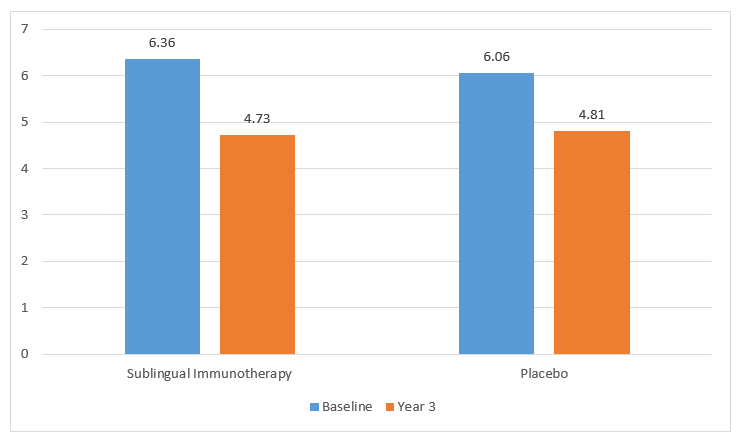
AAD ratio in the S. boulardii group was significantly less than in the placebo group (p<0.05)
Figure 1: Distribution of patients with diarrhoea and without diarrhoea
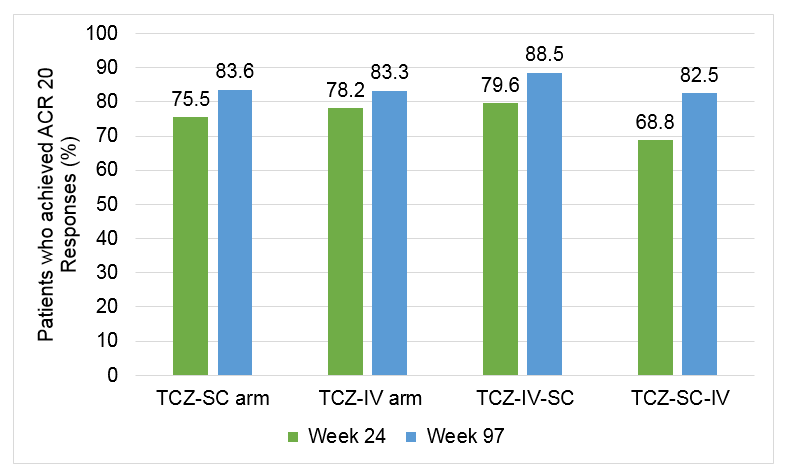
- No significant difference between patients receiving beta- lactam and those not in terms of diarrhea (p>0.05)
- C. difficile toxin A assay yielded positive results in two stool samples from the patients with antibiotic-associated diarrhea in the placebo group
- In study group, negative result were reported in the only patient who developed antibiotic-associated diarrhea
- Mean age of the antibiotic associated diarrhoea group was significantly higher than the non-AAD group.
Conclusion
- The study showed that prophylactic use of Saccharomyces boulardii resulted in reduced, with no serious side effects, antibiotic-associated diarrhea in hospitalized patients.
- The finding suggested that S. boulardii preparation seems to be an appropriate choice and should be used in the prevention of AAD
Reference
Med Sci Monit.2006;12;4: PI19-22
Related Topics
More From Area Of Interest
You may also like
13 May, 26
17 Apr, 26
Our Research
23 Feb, 26
23 Feb, 26
11 Feb, 26
11 Feb, 26
11 Feb, 26
Latest Items
Journal Scans
26 Jun, 26

26 Jun, 26

26 Jun, 26

25 Jun, 26


