




Superior and consistent reduction of ambulatory blood pressure with telmisartan over ramipril
PRISMA-II (Prospective, Randomised Investigation of the Safety and Efficacy of Telmisartan Versus Ramipril Using Ambulatory Blood Pressure Monitoring)

18 Mar, 14


PRISMA-II
Background
Blood pressure (BP) follows a circadian pattern with a morning surge that is associated with an increased risk of acute coronary and cerebrovascular events.
Aim
To compare the efficacy and safety of telmisartan and ramipril in reducing ambulatory BP during the last 6-h of the 24-h dosing interval.
Study Design
PROBE (Prospective, Randomized, Open-label, Blinded-Endpoint) study
Study Patients
812 patients with mild to moderate hypertension (mean seated diastolic BP >95 mm Hg and < 109 mm Hg) and a 24-h ambulatory BP monitoring (ABPM) diastolic BP > 85 mm Hg.
Study Groups
- Telmisartan initiated at 40 mg for 2 weeks, up-titrated to 80 mg for 12 weeks.
- Ramipril initiated at 2.5 mg for 2 weeks, titrated to 5 mg for 6 weeks and then to 10 mg for a further 6 weeks.
Results
- Telmisartan 80 mg was superior to ramipril 5 mg and 10 mg in reducing the mean ambulatory BP during the last 6 h of dosing interval at 8 and 14 weeks, respectively.
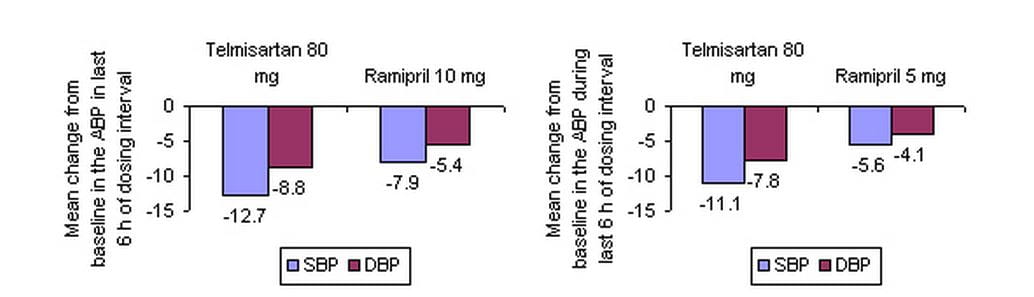
- Significantly and consistently greater reduction with telmisartan 80 mg in controlling 24 h BP than ramipril 5 mg and 10 mg after 8 and 14 weeks of treatment, respectively.
- Greater ambulatory BP response rates in telmisartan-treated patients than among those treated with ramipril 5 and 10 mg.
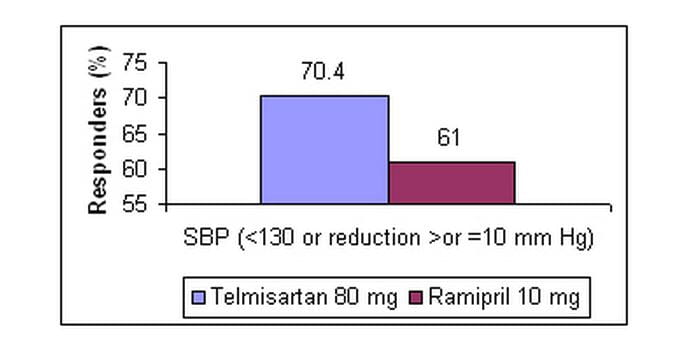
- Significantly greater reductions in morning, daytime and nighttime mean ambulatory BP with telmisartan 80 mg as compared to ramipril 5 mg and 10 mg.
- Patients treated ramipril had a higher incidence of cough than those treated with telmisartan (10.1% vs. 1.5%, respectively).
Conclusion
- Telmisartan was consistently and significantly more effective than ramipril in controlling BP during the last 6 h of the dosing interval, a time when patients are at greatest risk of cardiovascular and cerebrovascular events.
-
Both drugs were equally well tolerated, but telmisartan was associated with fewer instances of cough.
Am J Hypertens 2006; 19: 104-112
Related Topics

More From Area Of Interest
You may also like

13 May, 26

17 Apr, 26
Our Research
23 Feb, 26

23 Feb, 26

11 Feb, 26

11 Feb, 26

11 Feb, 26
Latest Items
Journal Scans
26 Jun, 26

26 Jun, 26

26 Jun, 26

25 Jun, 26


