




To investigate whether high loading dose of atorvastatin decreases the incidence of contrast-induced nephropathy (CIN) after percutaneous coronary intervention (PCI).
ARMYDA-CIN Trial

23 Aug, 11


ARMYDA-CIN Trial
Background
High-dose atorvastatin before PCI beneficial in preventing contrast-induced nephropathy: ARMYDA-CIN Trial
Objective
Patient Profile
241 patients with NSTE-ACS
Study Design
- Patients were divided into atorvastatin group [80 mg 12-h before coronary angiography and 40 mg approximately 2 hrs. before PCI] (N=120) and placebo group (N=121).
- After PCI, all patients received long-term atorvastatin treatment (40 mg/day) thereafter.
Primary End-point
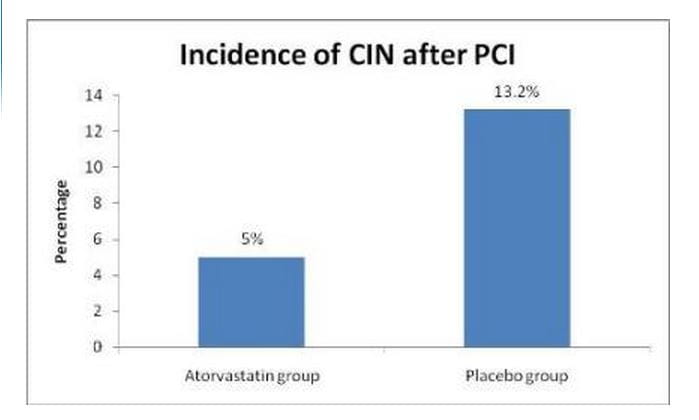
Incidence of CIN, defined as post-intervention increase in serum creatinine >0.5 mg/dL or >25% from baseline.
Results
- Significantly lesser patients developed CIN in the atorvastatin group as compared to the placebo group (p=0.046).
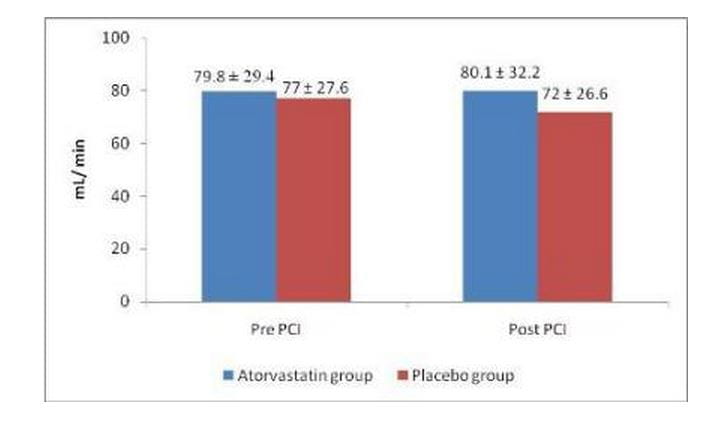
- Baseline level of creatinine clearance (CrCl) was similar in both groups. Post-PCI, the value of CrCl was significantly lower in the placebo group.
- Length of stay after intervention was shorter in the atorvastatin group as compared to placebo group (2.9 - 0.9 vs. 3.2 - 0.8 days; p=0.007)
- Multivariable analysis showed that atorvastatin pretreatment was independently associated with decreased risk of CIN (odds ratio = 0.34; p=0.043)
Conclusion
High loading dose of atorvastatin before PCI prevents CIN and shortens hospital stay in patients of ACS.
Published online in American Journal of Cardiology, as accessed on 11th June 2011.

More From Area Of Interest
You may also like

13 May, 26

17 Apr, 26
Our Research
23 Feb, 26
23 Feb, 26

11 Feb, 26
11 Feb, 26
11 Feb, 26
Latest Items
Journal Scans
26 Jun, 26

26 Jun, 26

26 Jun, 26

25 Jun, 26


